The Best Tweezers for Grey and Coarse Hair (And Why Cheap Ones Fail)
By TweezerCo · 2 July 2026 · 5 min read
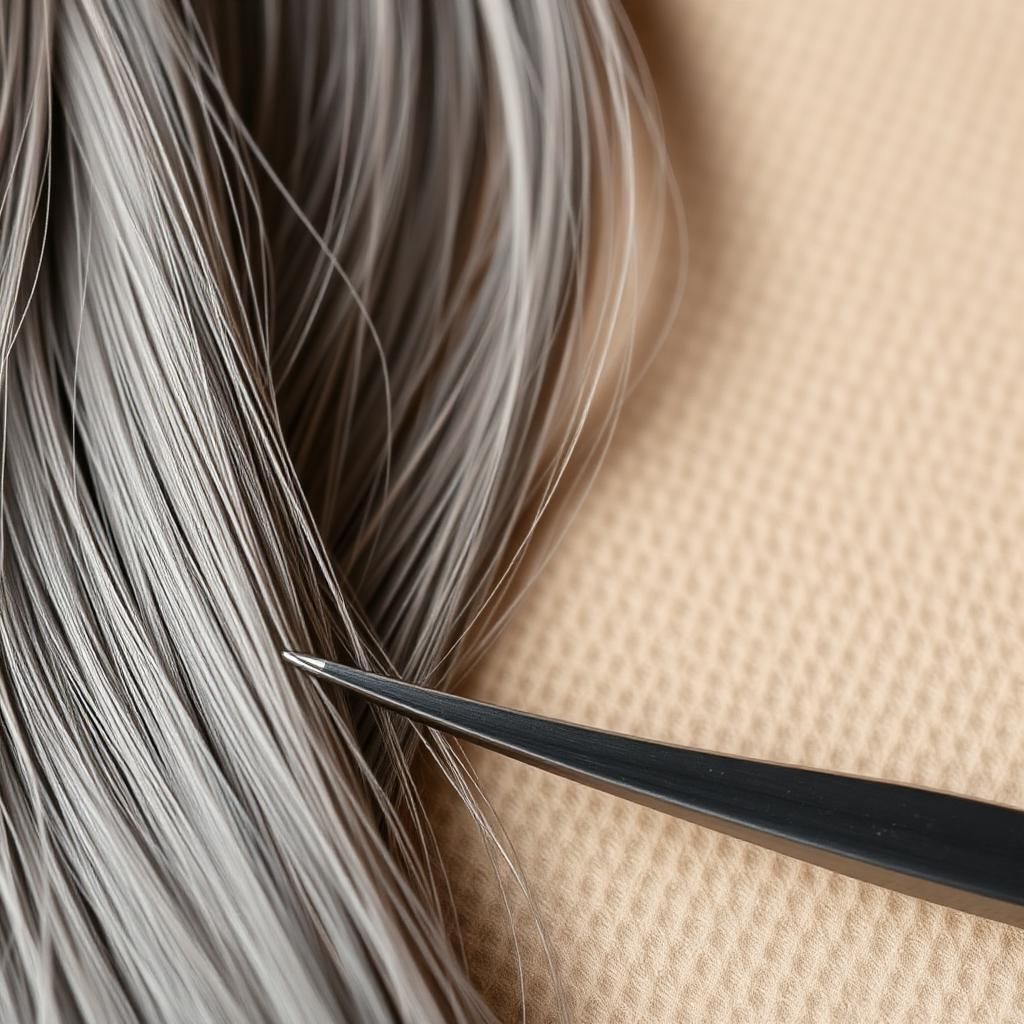
Grey and coarse hair isn't your imagination. As pigment cells shut down, the hair shaft becomes structurally different: thicker, wirier and less flexible. That's why the same tweezer that used to work fine on a soft brown hair now slides off a grey one entirely.
Why coarse hair defeats cheap tweezers
Cheap tweezers rely on friction between the tips to hold the hair. Coarse grey hair has a smoother, more resistant cuticle and a wider diameter — it just squeezes back out. What you need is mechanical grip, not friction: a hand-honed edge that actually bites into the shaft.
Slant vs point for grey hair
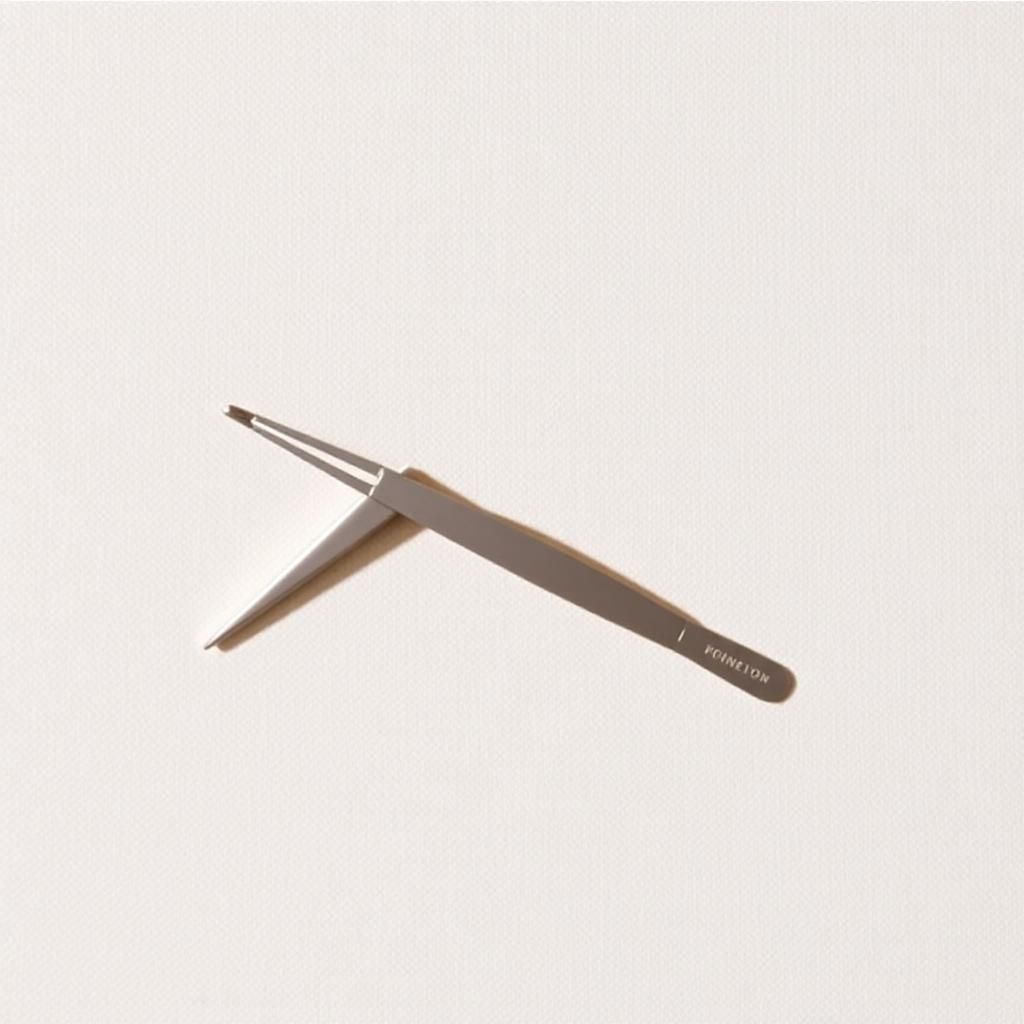
Slants win for shaping the coarser brow area. Points win for isolating a single stubborn grey chin hair or a stray on the jaw — the concentrated tip pressure is what defeats the wiry cuticle.
The tension question
Coarse hair wants a firmer close — but you don't want a stiff tweezer that fatigues your hand. A well-tensioned hand-forged tool gives you a decisive close without needing a death grip.
Care matters more with coarse hair
Grey hair is drier, so it tends to hold onto product residue. Wipe the tips clean with 70% alcohol between sessions — a slippery tip loses its bite fast.
Frequently asked
Why is grey hair harder to pluck?
Grey hair has a coarser, less flexible cuticle and a wider diameter than pigmented hair. It resists the friction-only grip of soft tweezers.
Should I cut or pluck grey brow hairs?
Pluck. Cutting leaves a blunt stub that's more visible than the original hair as it grows back.
Do coarse hairs blunt tweezers faster?
Yes — thicker shafts wear the edge faster than soft hair. Choose a hand-honed surgical steel that can be re-honed under warranty.