The Best Tweezers for Chin Hair (And How to Use Them Properly)
By TweezerCo · 23 May 2026 · 5 min read
Last updated:

Chin hair is where most tweezer routines fall apart. You're dealing with three completely different hair types in a single small area — coarse dark strays, fine peach-fuzz vellus, and the inevitable curled ingrown — and the same tweezer that's perfect for one will be useless for another. Here's how to pick the right tip and use it like a pro.
Coarse chin strays — use a slant tweezer
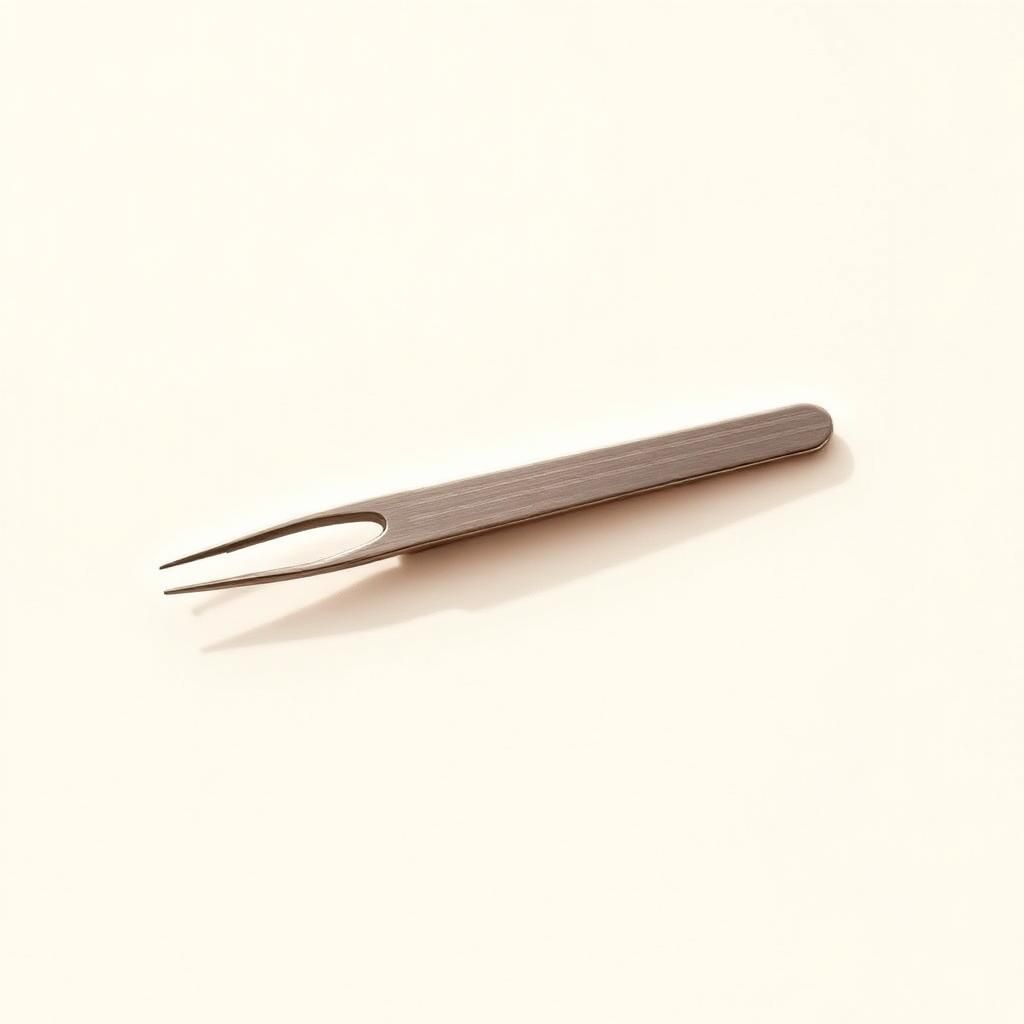
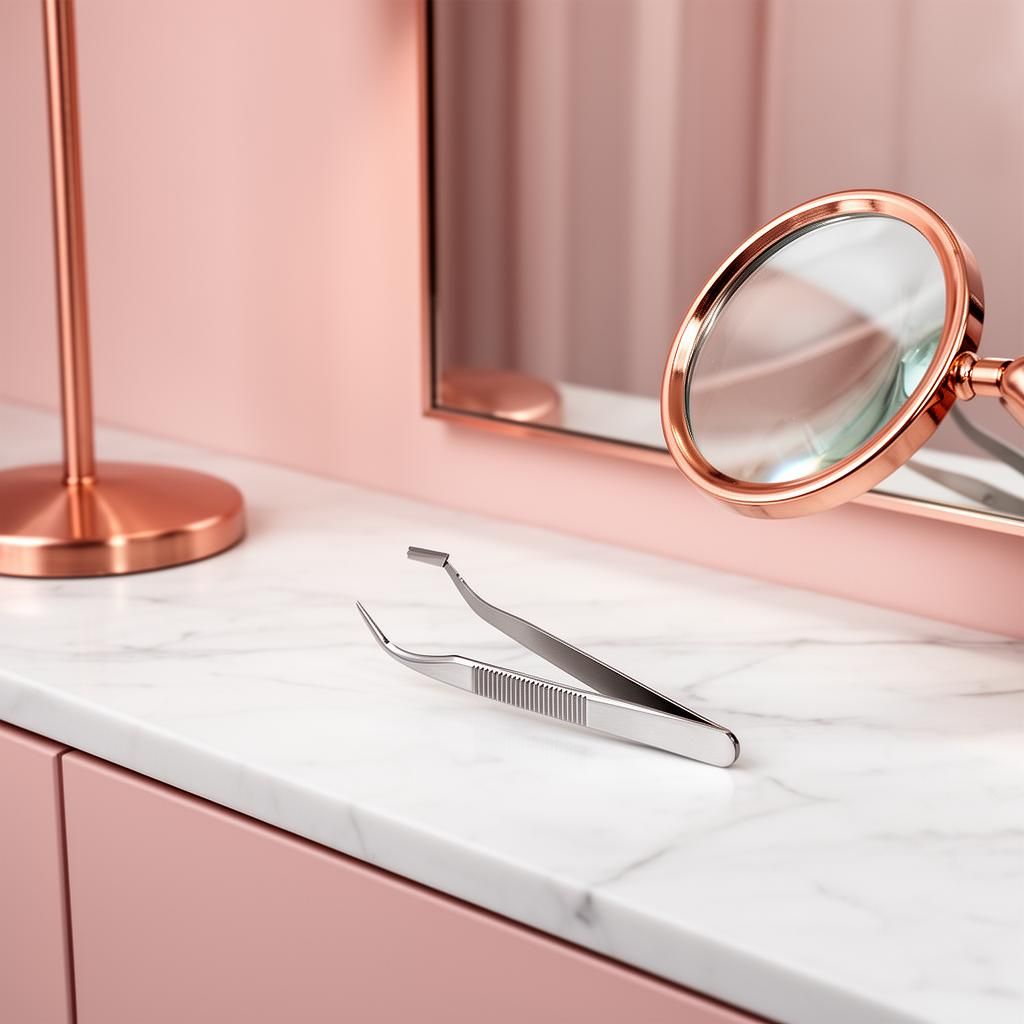
The classic 'one obvious chin hair you spot in the car mirror' is a coarse, often deeper-rooted stray. A hand-aligned 25° slant tweezer is the right tool: the wide edge grips the hair confidently, and the angle lets you approach from the side without contorting your hand.
Fine vellus chin hair — use a point tweezer
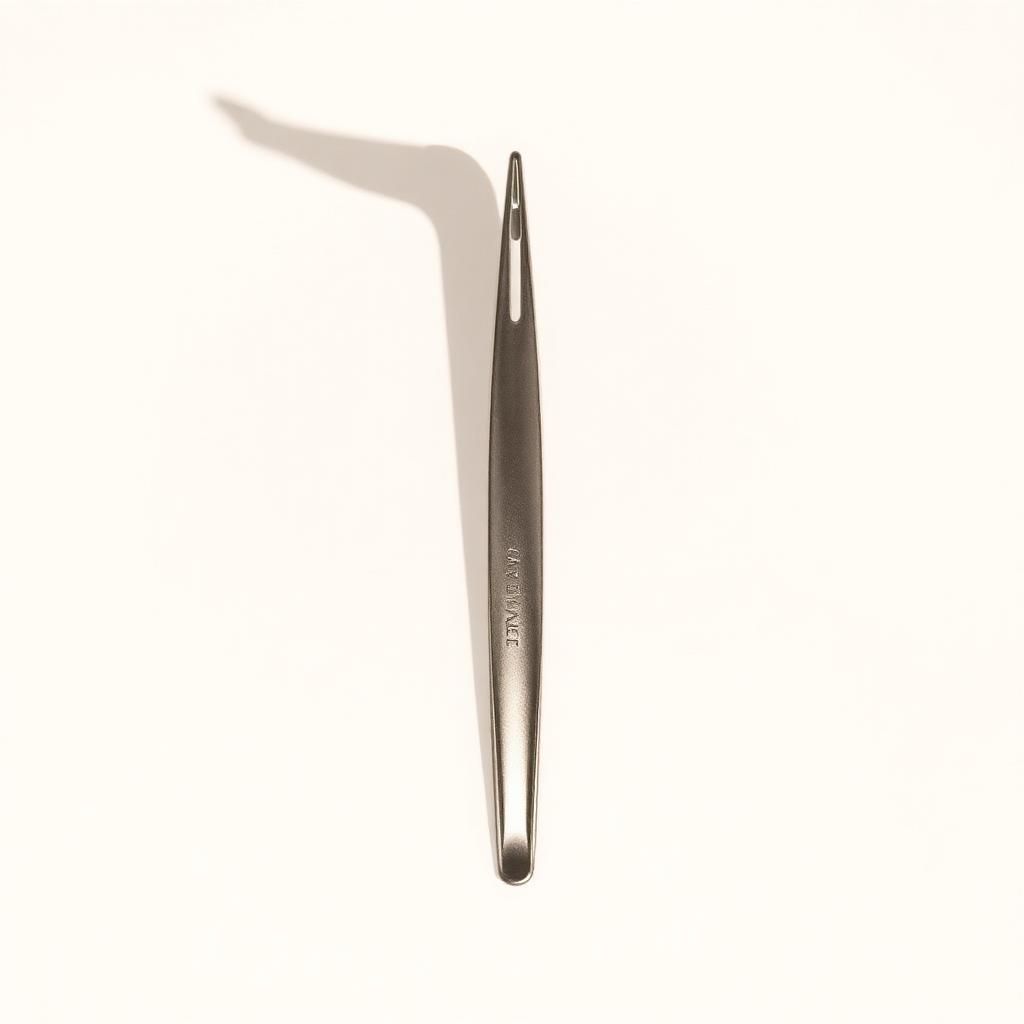
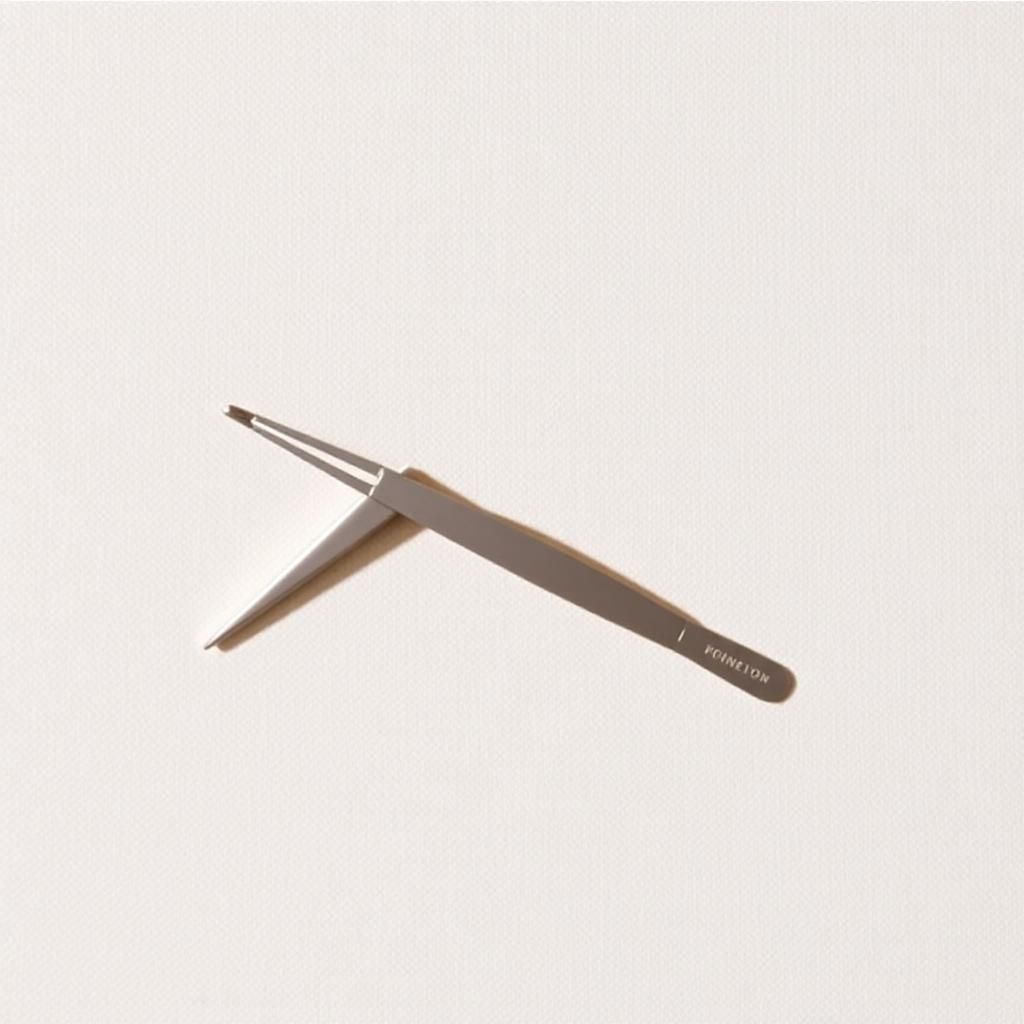
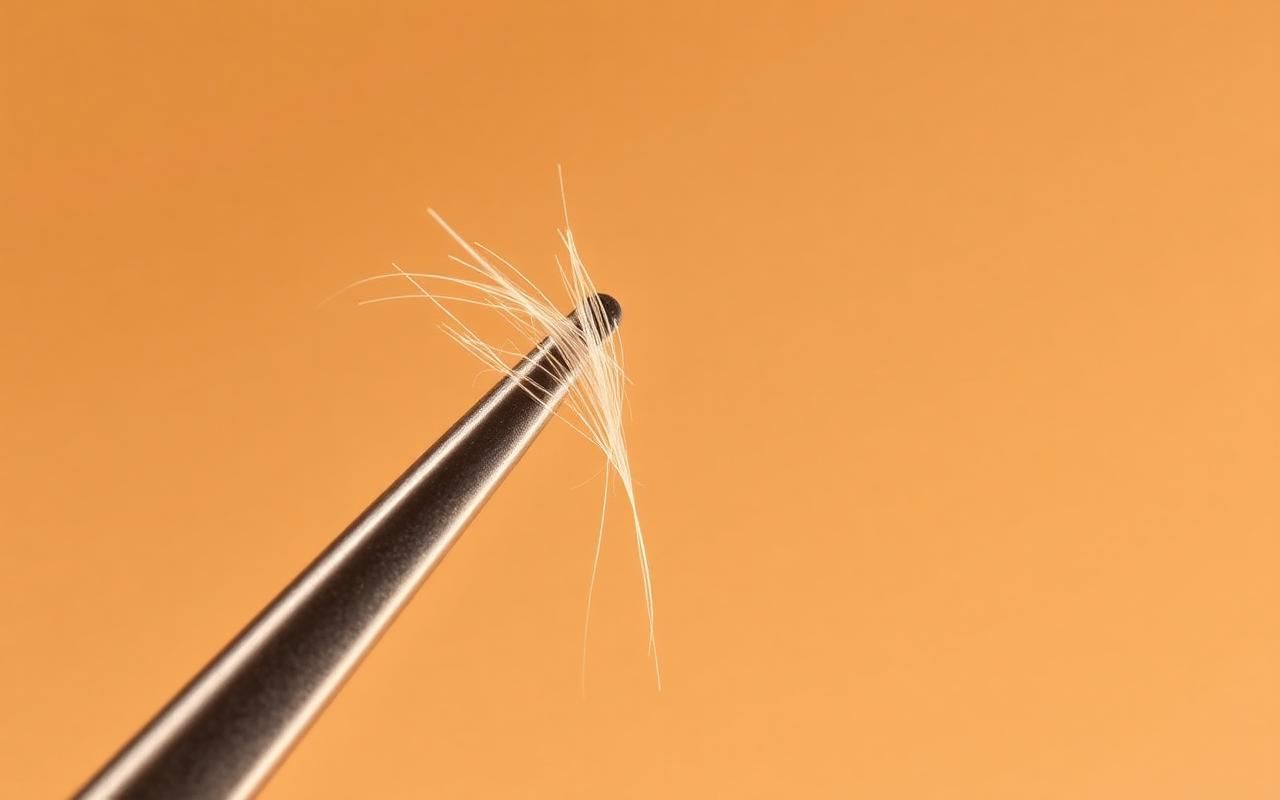
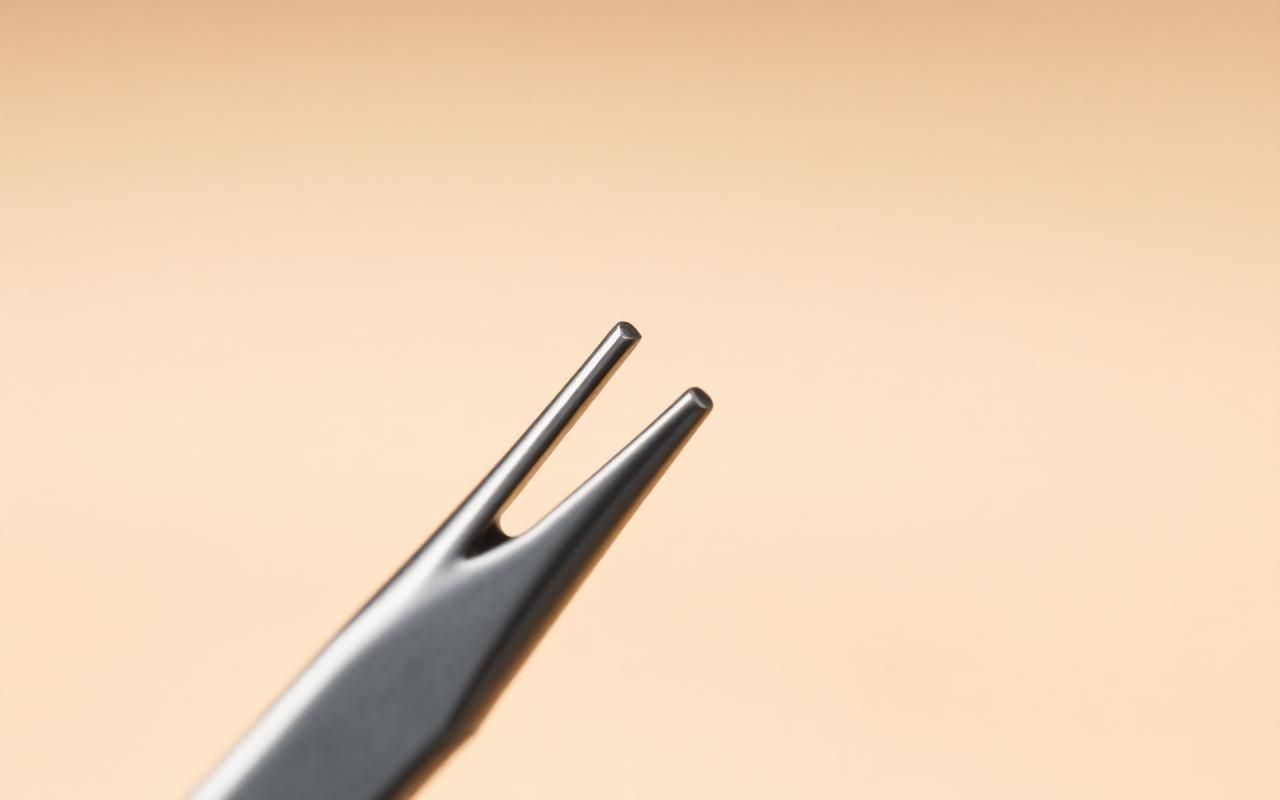
Soft, light, peach-fuzz hair around the jawline is too fine for a slant to catch — it'll skim every time. A needle-point tweezer concentrates all the pressure on a single fine hair so it lifts cleanly. This is the same tool brow pros reach for when they tackle vellus hair around the brows.
Ingrown chin hair — point tweezer, never a slant
Ingrowns on the chin are common because chin hair often grows in tight curls. Always use a point tweezer. Warm the skin first with a compress for two to three minutes, sanitise both the skin and tips with isopropyl alcohol, then slide the point under the visible loop and lift gently — do not break the skin.
Pro technique for the chin zone
Hold the skin taut with your free hand — chin skin is more mobile than brow skin and will follow the tweezer if you don't. Pull in the direction of growth in one clean motion. Pulling against the grain on the chin is the fastest way to create ingrowns, because the hair retracts back below the surface and grows sideways.
Aftercare matters more on the chin than the brows
Chin skin is touched, talked through, and rubbed against pillows. After tweezing, apply a soothing serum (niacinamide or centella) and avoid heavy occlusive makeup for 12 hours to let the follicles close cleanly. Skip the picking — picking is what turns an extracted hair into a scar.
Frequently asked
What's the best tweezer for plucking chin hair?
A hand-aligned slant tweezer for coarse strays and a needle-point tweezer for fine vellus and ingrown chin hair. Most people end up needing both.
Why are my chin hairs so hard to grab?
Chin skin is more mobile than brow skin, so the hair slides with the skin. Hold the skin taut with your free hand and pull in the direction of growth in one motion.
How do I avoid ingrown hairs on my chin?
Always pull in the direction of growth, use a point tweezer rather than a slant, exfoliate the area twice a week, and sanitise the tips with isopropyl alcohol before every session.
Is tweezing chin hair safe?
Yes, with a precision tweezer, taut skin, and basic aftercare. Most chin tweezing problems come from cheap misaligned tweezers and pulling against the direction of growth.