Free worldwide shippingLifetime warranty30-day satisfaction guarantee
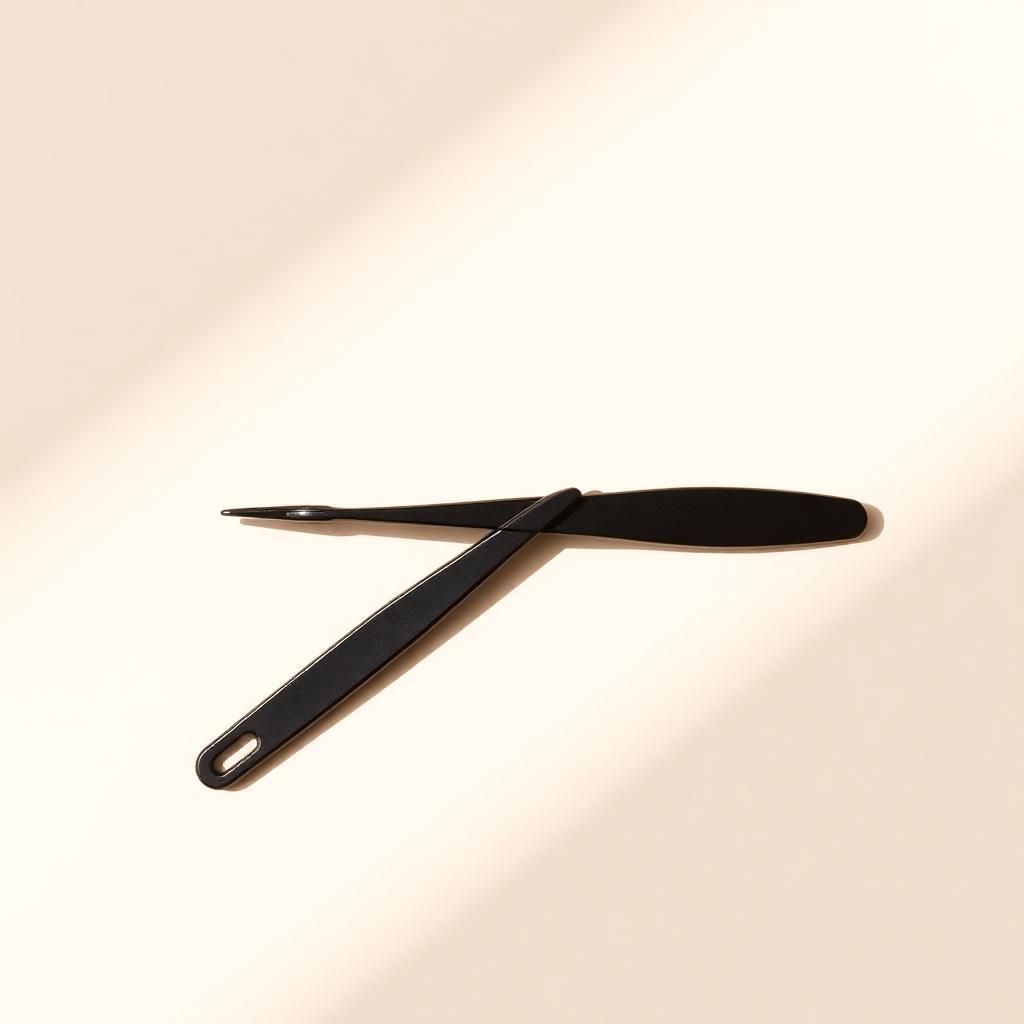
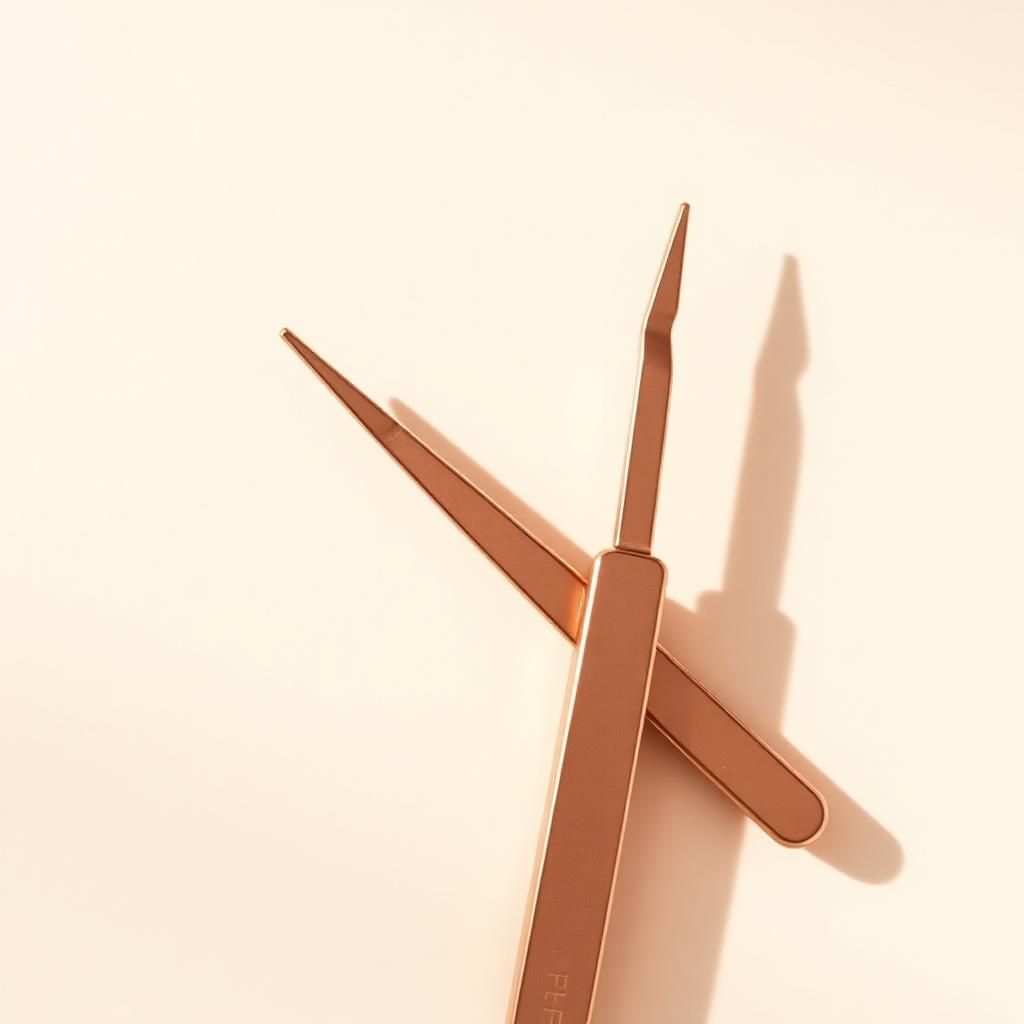
    Stainless steel tweezers

    Stainless Steel Tweezers — Surgical-Grade, Rust-Resistant

    Last updated: · Reviewed by TweezerCo editorial team

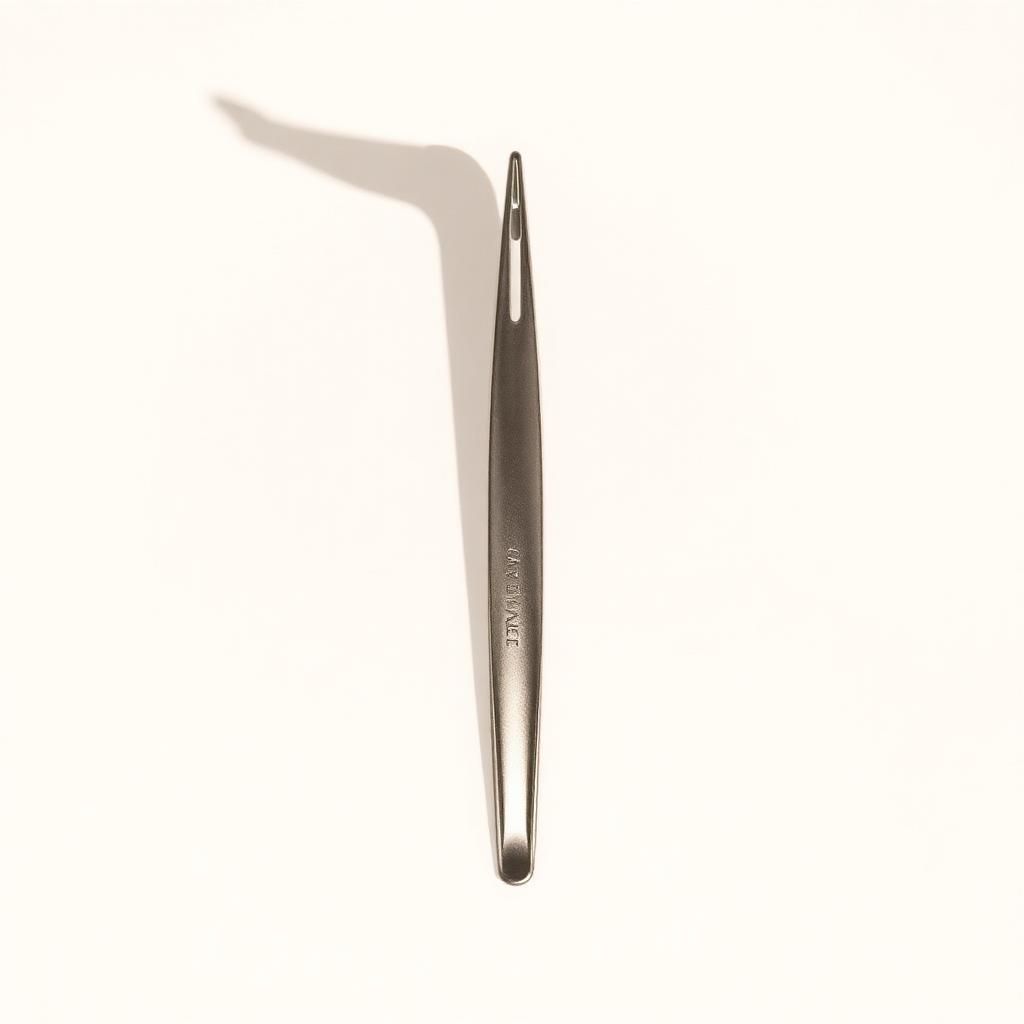
    Stainless steel is the right material for tweezers — but only if it's the right grade and it's been hand-finished. We use 420-grade surgical stainless steel and align every pair under magnification so the jaws meet flush. The result: a tool that grips on the first pull and lasts decades, not months.

    • 420-grade surgical stainless steel
    • Rust-resistant — wipe with alcohol after use
    • Hand-aligned for true edge-to-edge grip
    • Lifetime warranty on tip alignment
    Free worldwide shipping Lifetime warranty 4.9 from 6,400+ reviews

    Why stainless steel — and which grade

    Stainless steel holds an edge, resists corrosion and can be sanitised repeatedly without pitting. But not all stainless is equal. 304-grade is fine for kitchenware; 420-grade (surgical) is the family used for fine surgical instruments — harder, more corrosion-resistant, capable of holding a precision edge for years.

    Cheap drugstore tweezers are often unmarked stainless or coated base metal. Plating wears off at the tips first — exactly where alignment matters most — and the underlying steel rusts.
    Care: how to keep stainless steel tweezers performing

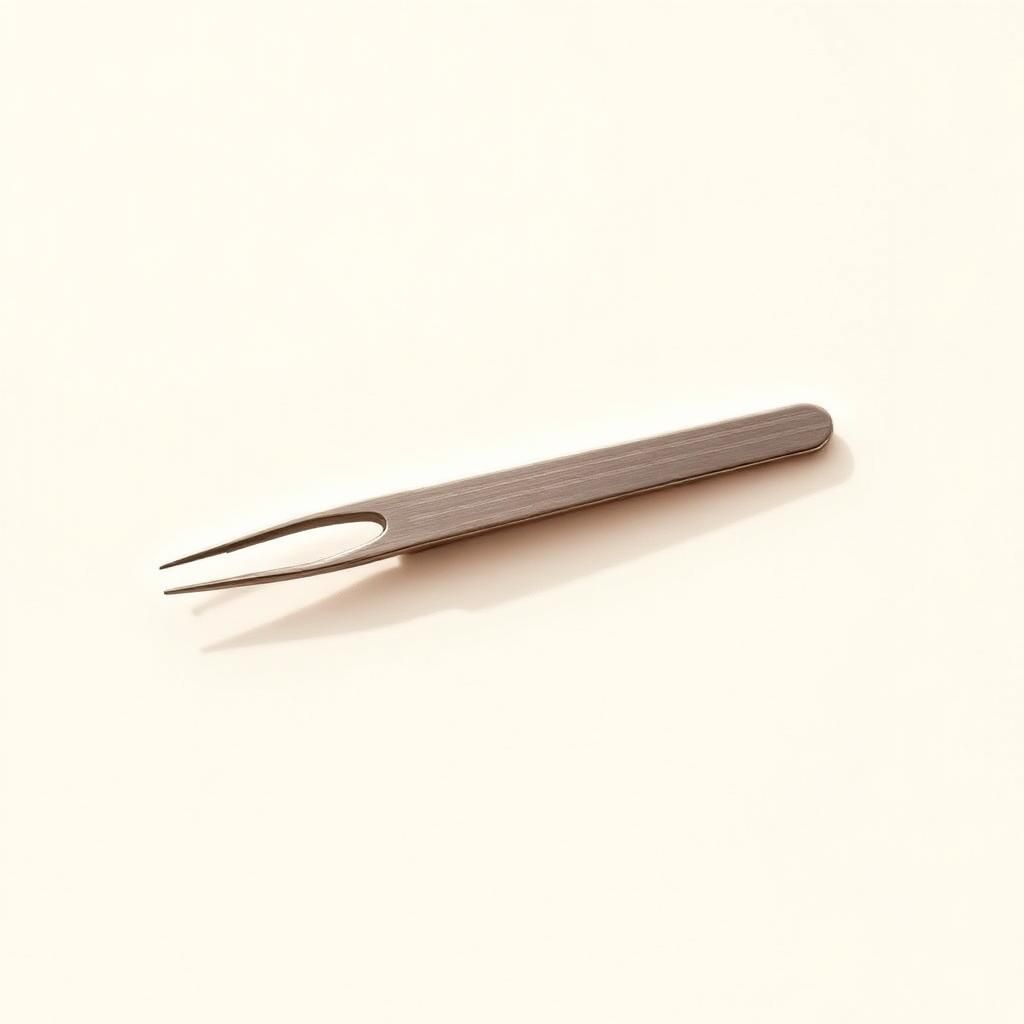
    Wipe tips with 70% isopropyl alcohol after each use to remove skin oils and prevent buildup. Always replace the protective cap before storing. Never use acetone (it can dull coated finishes) or store the tweezer loose in a bag (impact damage is what ends a tweezer's life, not wear).

    • Alcohol-wipe tips after every use
    • Cap on, stored flat, never loose in a bag
    • No acetone or harsh solvents
    • Re-sanitise before any skin contact

    Stainless steel vs titanium tweezers

    Titanium tweezers are lighter and hypoallergenic, but softer — they hold an edge for less time and bend more easily on impact. For most users, surgical-grade stainless gives a better long-term tool. Titanium is worth considering if you have a nickel sensitivity.

    Shop stainless steel tweezers

    Our pick of the range.

    Frequently asked

    Stainless steel tweezers — answered.

    Are stainless steel tweezers the best?

    Surgical-grade (420) stainless steel tweezers are the best material for most users — they hold an edge, resist corrosion and can be sanitised. The grade matters more than the 'stainless steel' label alone.

    Do stainless steel tweezers rust?

    Surgical-grade stainless is highly rust-resistant in normal use, especially if you wipe the tips dry after each session. Lower-grade or coated tweezers will eventually rust where the coating wears.

    Can I sanitise stainless steel tweezers with alcohol?

    Yes — 70% isopropyl alcohol is the standard sanitisation method for surgical-grade stainless tweezers. Avoid acetone or harsh solvents.

    What grade of stainless steel is best for tweezers?

    420-grade (surgical) stainless is the right alloy — hard enough to hold a precision edge for years and corrosion-resistant enough to be sanitised repeatedly. 304-grade is fine for kitchenware but too soft for a precision tool.

    Are stainless steel tweezers dishwasher safe?

    Technically yes, but don't — dishwasher detergents are abrasive, and impact damage from being loose in a basket is what ends a tweezer's life. Wipe with isopropyl alcohol instead.

    Related

    Keep exploring.