Slant vs Point Tweezers: Which Eyebrow Tweezer Is Right for You?
By TweezerCo · 12 January 2026 · 5 min read
Last updated:
If you've stood in front of a wall of tweezers wondering which shape is actually 'best', you're not alone. The truth is simpler than the marketing makes it sound: there are really only two tip shapes that matter for brows — the slant and the point — and each does one job exceptionally well.
What a slant tweezer is built for
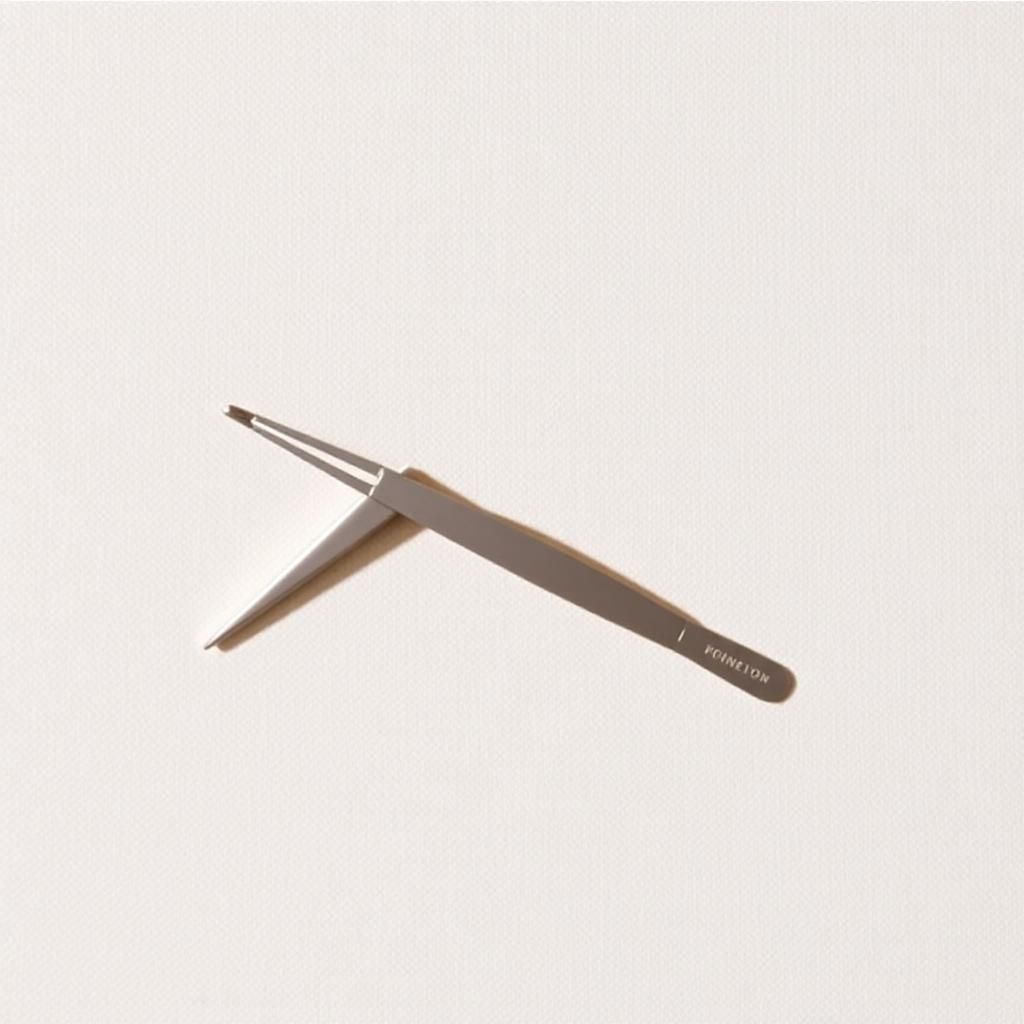
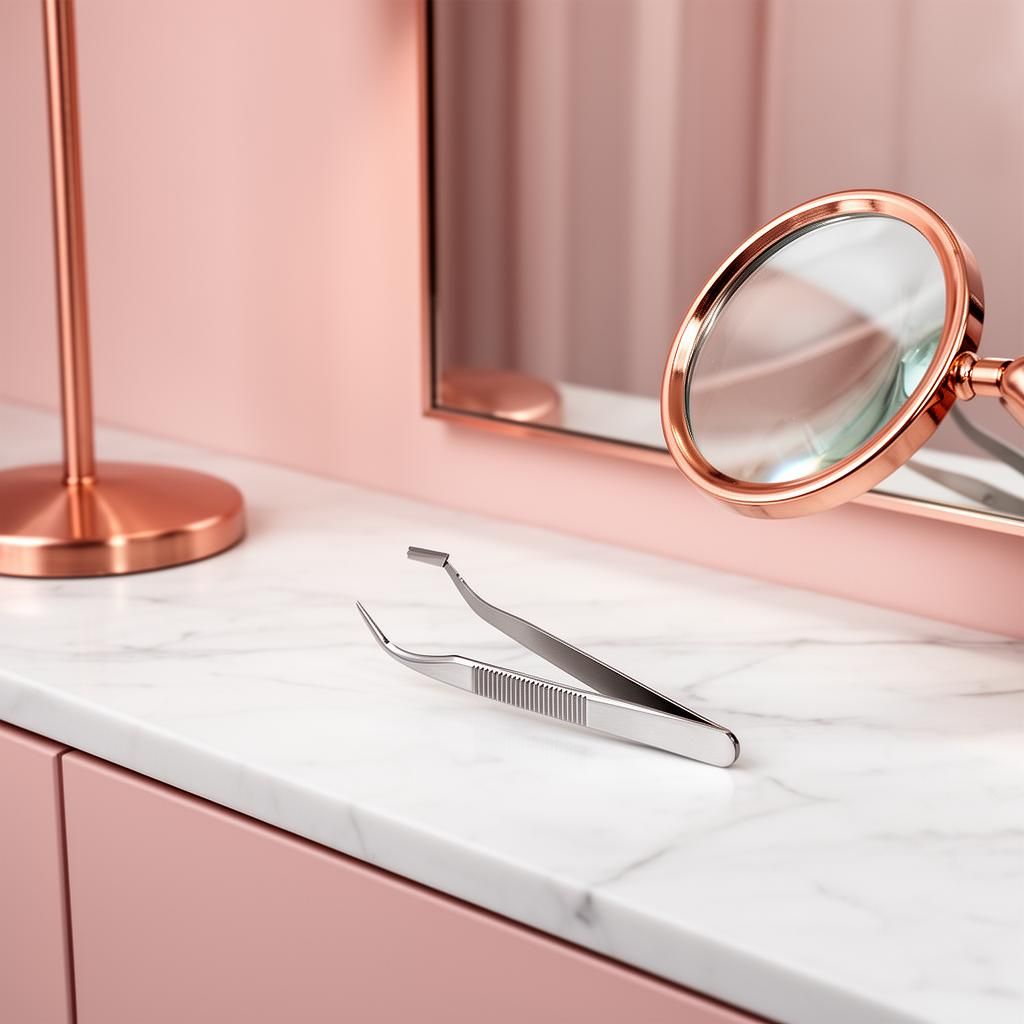
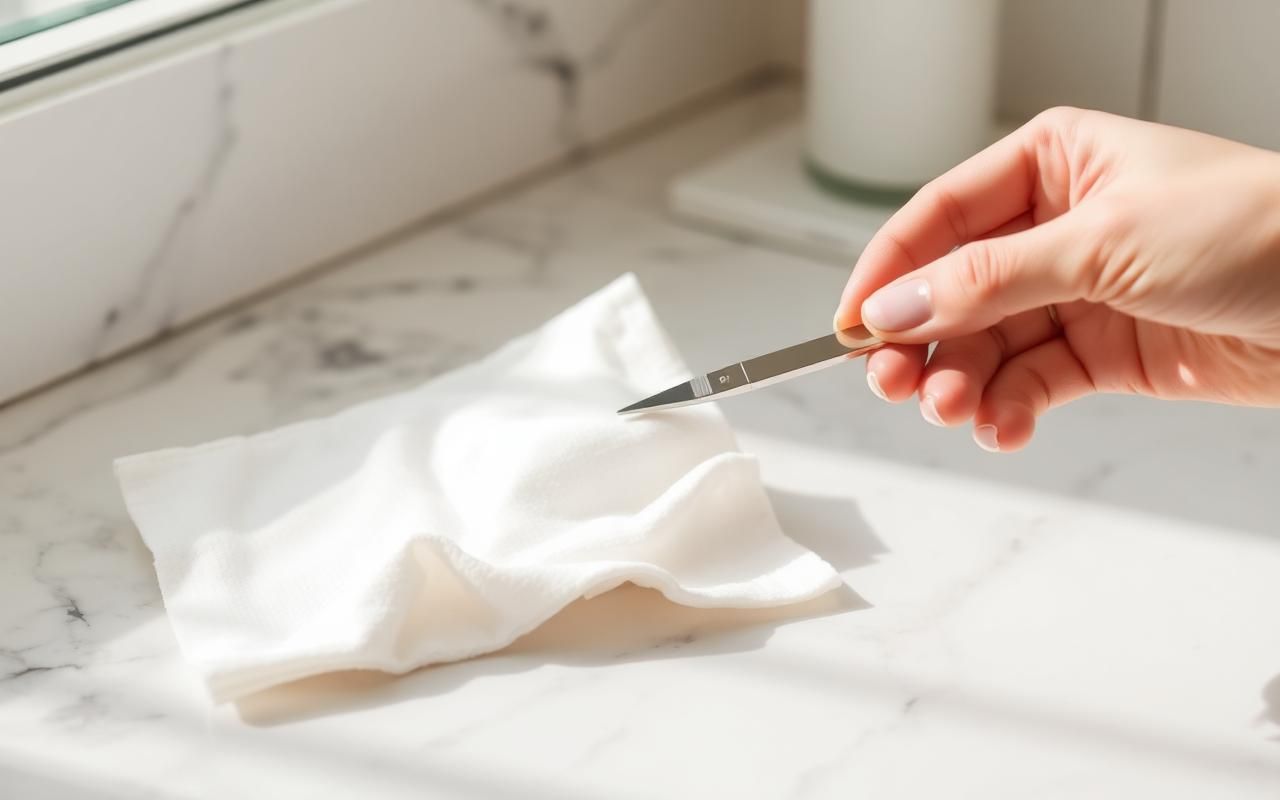
A slant tweezer has a wide, angled edge — usually 25° on a precision tool. That angle gives you a long, flat surface that meets flush along its full length, so it grips a hair confidently the moment it makes contact.
That makes a slant the right choice for almost everything most people do day to day: shaping the body of the brow, cleaning up arches, removing visible strays. If you only ever own one tweezer, it should be a slant.
- Best for shaping and clean arches
- Best 'first tweezer' for new owners
- Best in a makeup bag where you can only carry one
What a point tweezer is built for
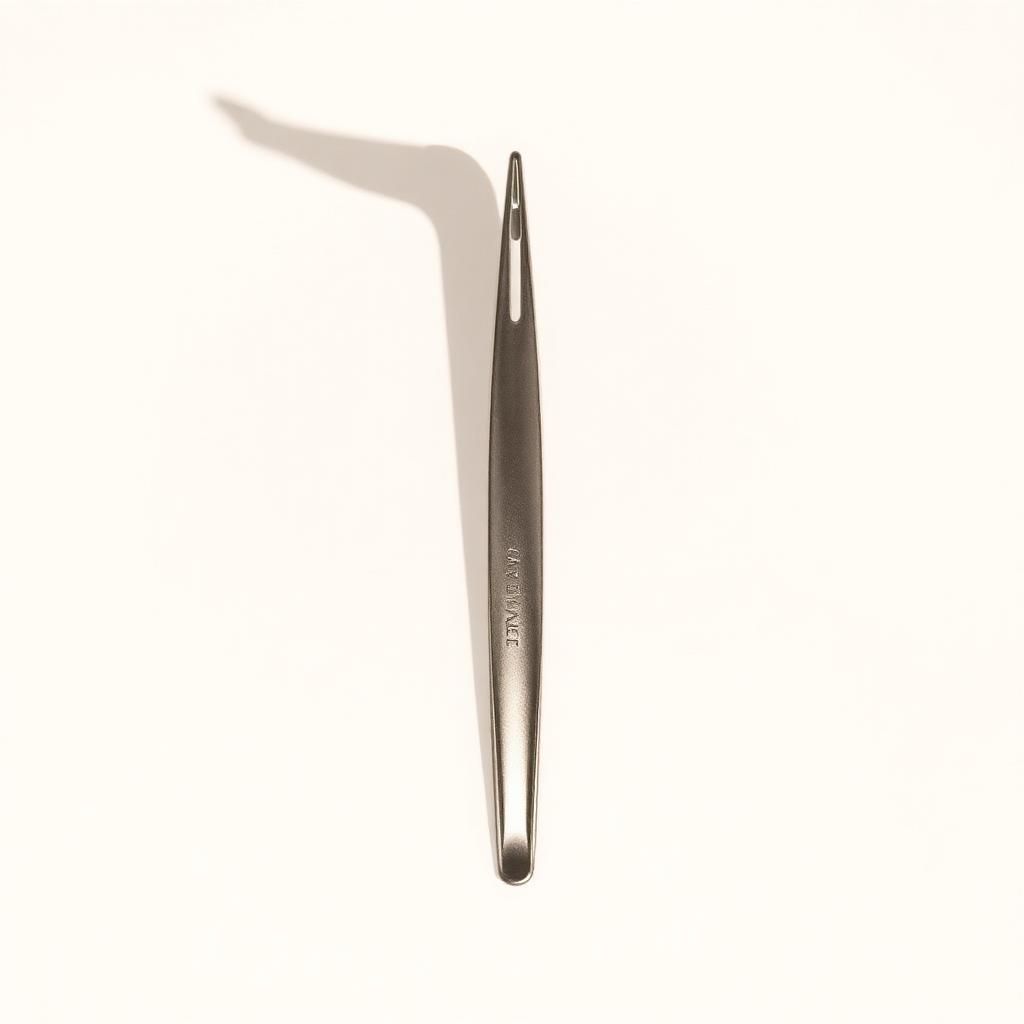
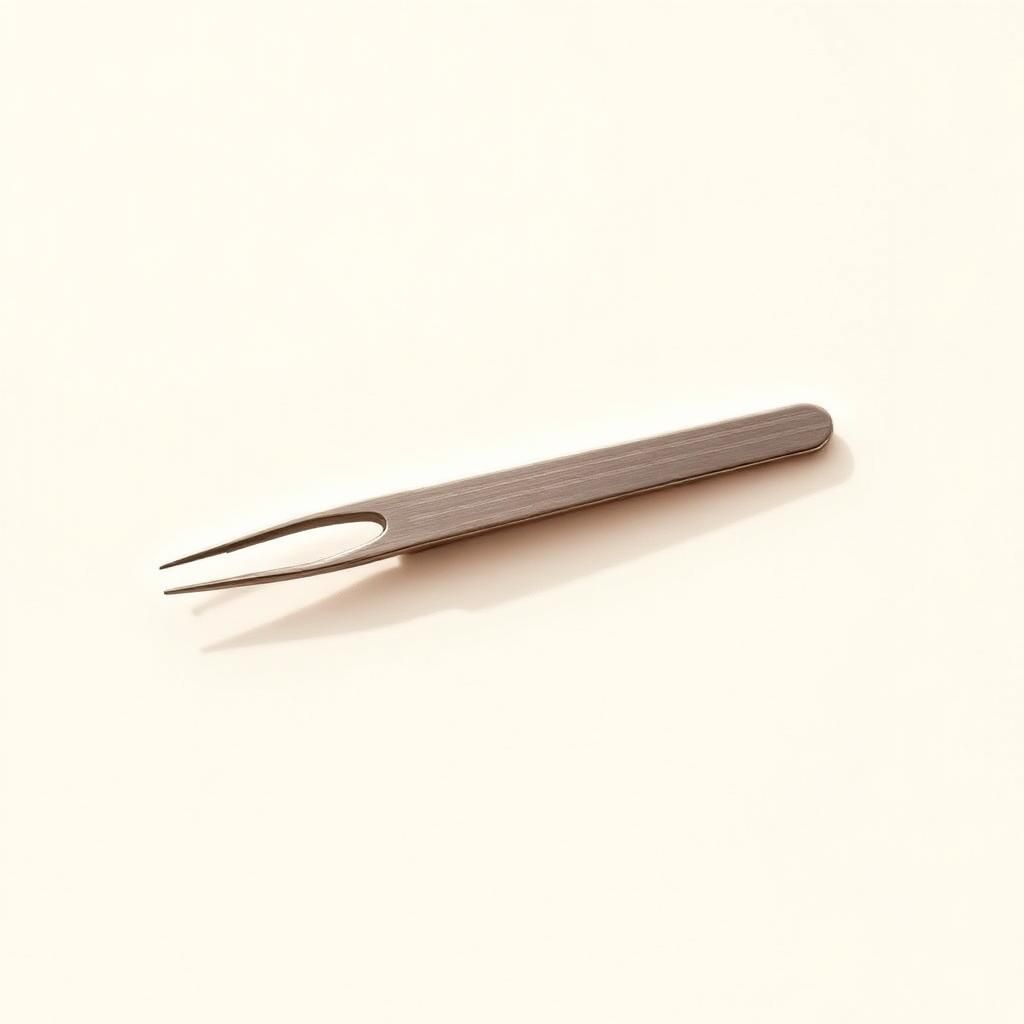
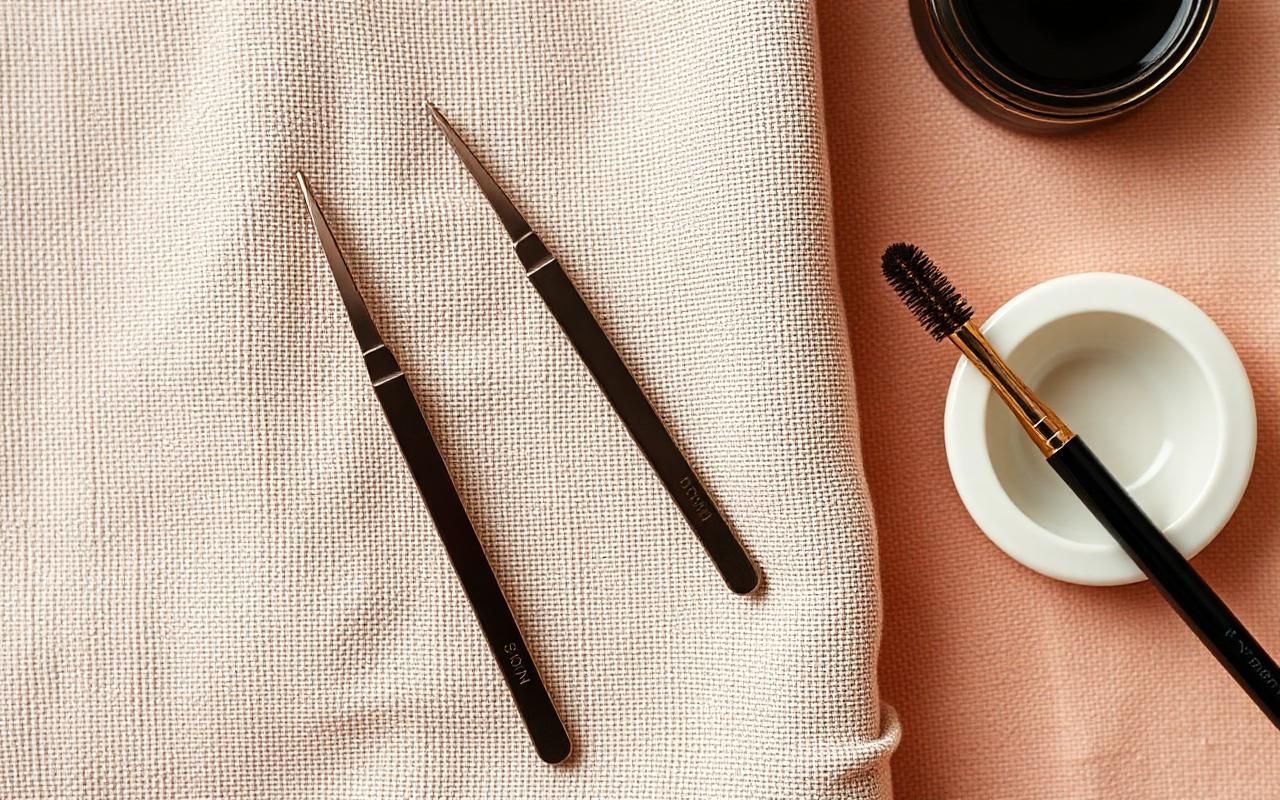
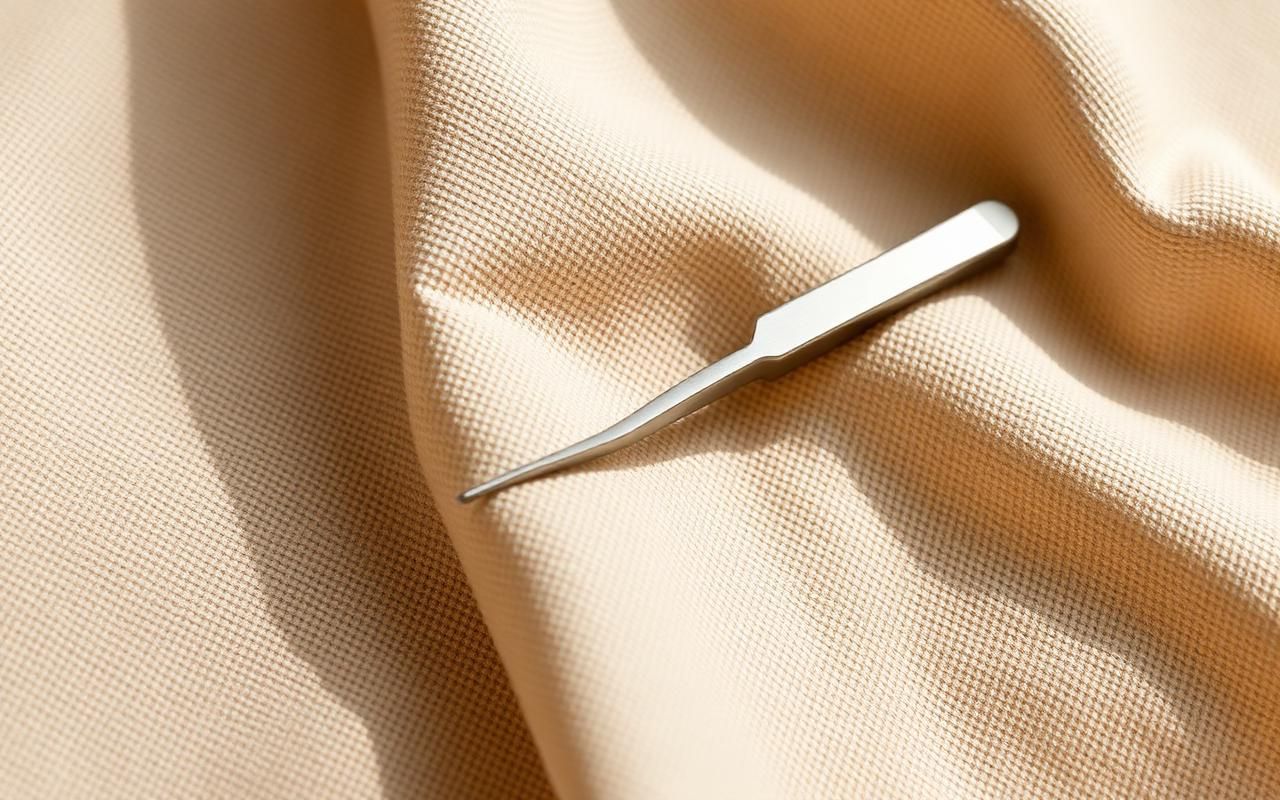
A point tweezer is shaped like a needle. The tips concentrate all the pressure into a tiny area, which is exactly what you want when you're trying to grip a hair so fine it barely casts a shadow — or lift one that's grown back under the skin.
Pros and licensed estheticians keep a point tweezer specifically for ingrown hairs and fine vellus hair, the soft 'baby' hair around the brow line that a slant edge tends to skim straight over.
- Best for ingrown hairs
- Best for fine vellus hair
- Best for detail work between the brows
When a set actually makes sense
If you tweeze regularly, do your own brows in detail, or are building a working makeup or esthetics kit, owning both pays for itself quickly. A slant for shape, a point for finish — that's it. You don't need five tweezers, you need two that meet flush.
How to tell a great tweezer from a cheap one
Open the tips and look down the length: if you can see daylight between them when they meet, the tweezer will miss hairs no matter how careful you are. Hand-aligned tips, surgical-grade stainless steel, and balanced tension are the three things that separate a tool you'll keep for life from one that ends up in a drawer.
Frequently asked
Should I buy a slant or a point tweezer first?
If you're buying just one, choose a slant — it covers everyday shaping and most stray hairs. Add a point only if you also want to handle ingrowns and fine vellus hair.
Are slant tweezers good for ingrown hairs?
They can lift surface ingrowns, but a true needle point is faster and gentler because it concentrates pressure on a single hair without nicking surrounding skin.
What angle is best for a slant tweezer?
A 25° slant is the sweet spot for brow work — wide enough to grip confidently, fine enough to be precise.