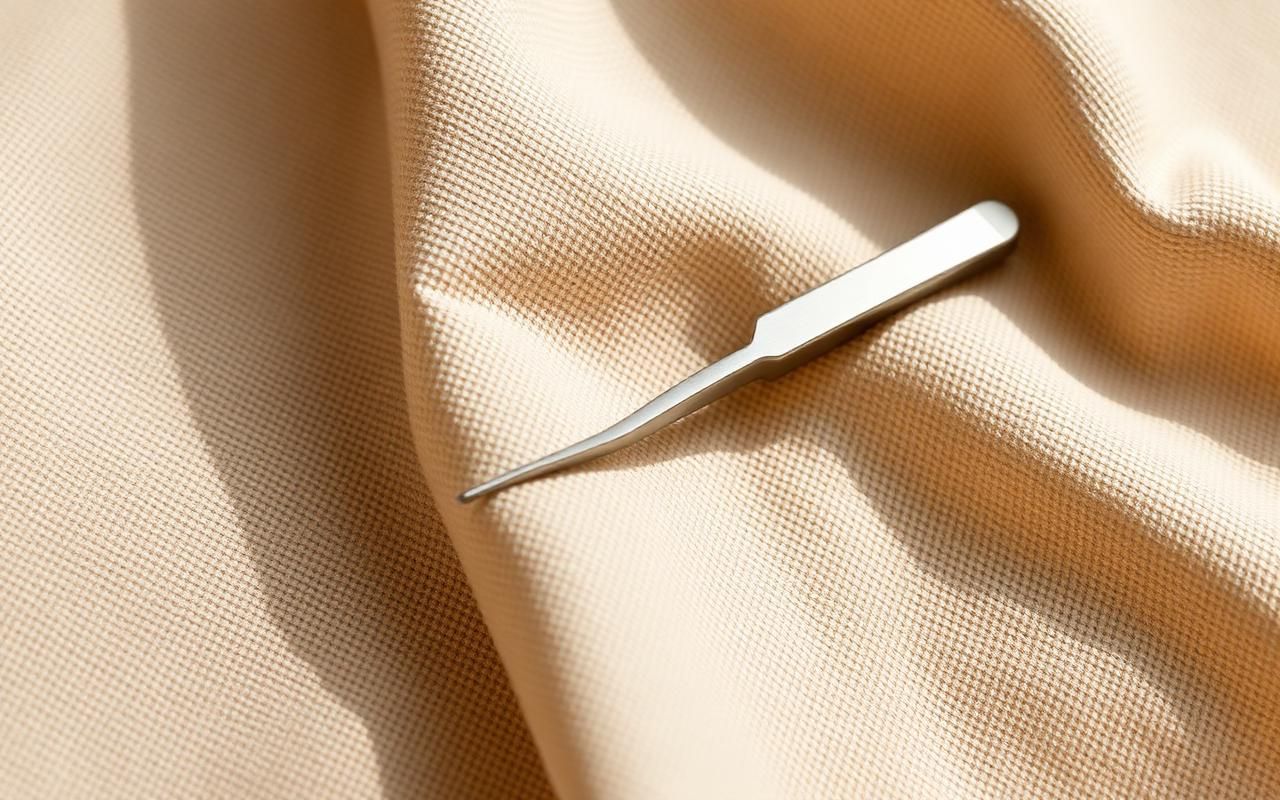
Best Tweezers for Facial Hair (2026) — Plus Threading, Waxing & Epilating
By TweezerCo · 14 September 2026 · 11 min read

Facial hair defeats more tweezers than any other job. Chin hairs are coarse and deep-rooted, upper-lip hair is fine and dense, and jawline hair often lies flat against the skin. A tweezer that's perfect for brows can slide straight off a chin hair. This guide covers which tip shape suits which area of the face, the specs that separate a gripping tweezer from a slipping one, the pairs we'd put our name on — and an honest comparison with threading, waxing and epilating so you know when a tweezer isn't the right tool.
Quick answer: the best tweezers for facial hair
For most faces, the answer is a hand-aligned slant tweezer in surgical-grade stainless steel for coarse chin and jaw hairs, plus a pointed tweezer for fine, flat-lying or ingrown facial hairs. Tip alignment matters more than brand — if the jaws don't meet perfectly flush, no tweezer will grip facial hair reliably.
- Best overall: hand-honed slant tweezer (chin, jaw, cheeks)
- Best for fine and flat-lying hairs: pointed precision tweezer
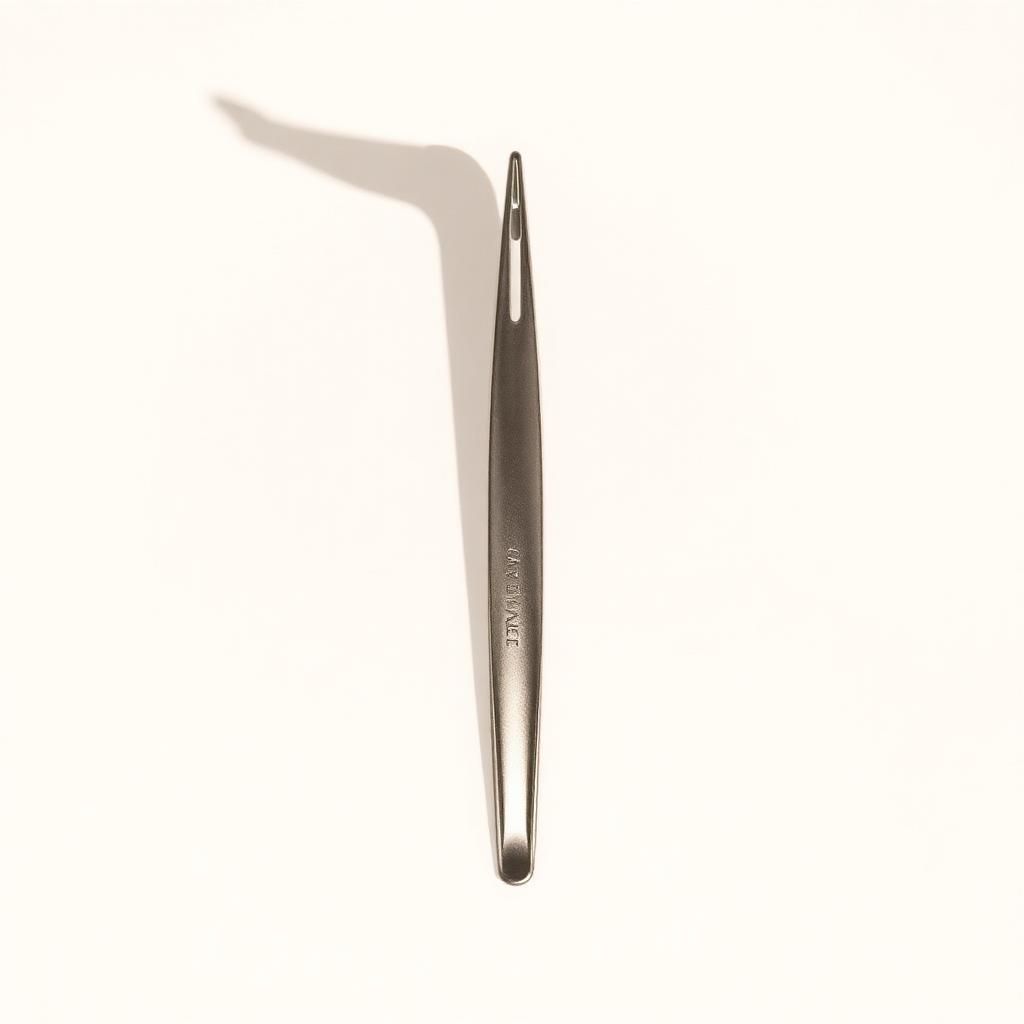
- Best for ingrown facial hairs: needle-point tweezer
- Best value: a set pairing slant + point so every area is covered
Why facial hair is the hardest test for a tweezer
Brow hairs grow at an angle and stick out; facial hair doesn't cooperate. Chin hairs are among the coarsest on the body, with deep roots that snap if the grip slips. Upper-lip hair is so fine it slides through a gap you can't even see. Jawline and neck hairs often grow flat, so the tweezer has to grip at skin level without pinching.
That's why the specs that matter for facial hair are stricter than for brows: perfectly flush tip alignment, calibrated spring tension (firm enough to hold a coarse root, light enough for control), and steel hard enough that the tips stay aligned after thousands of pulls.
Match the tip to the area of the face
No single tip shape is best across the whole face. Use the area you're tweezing to choose:
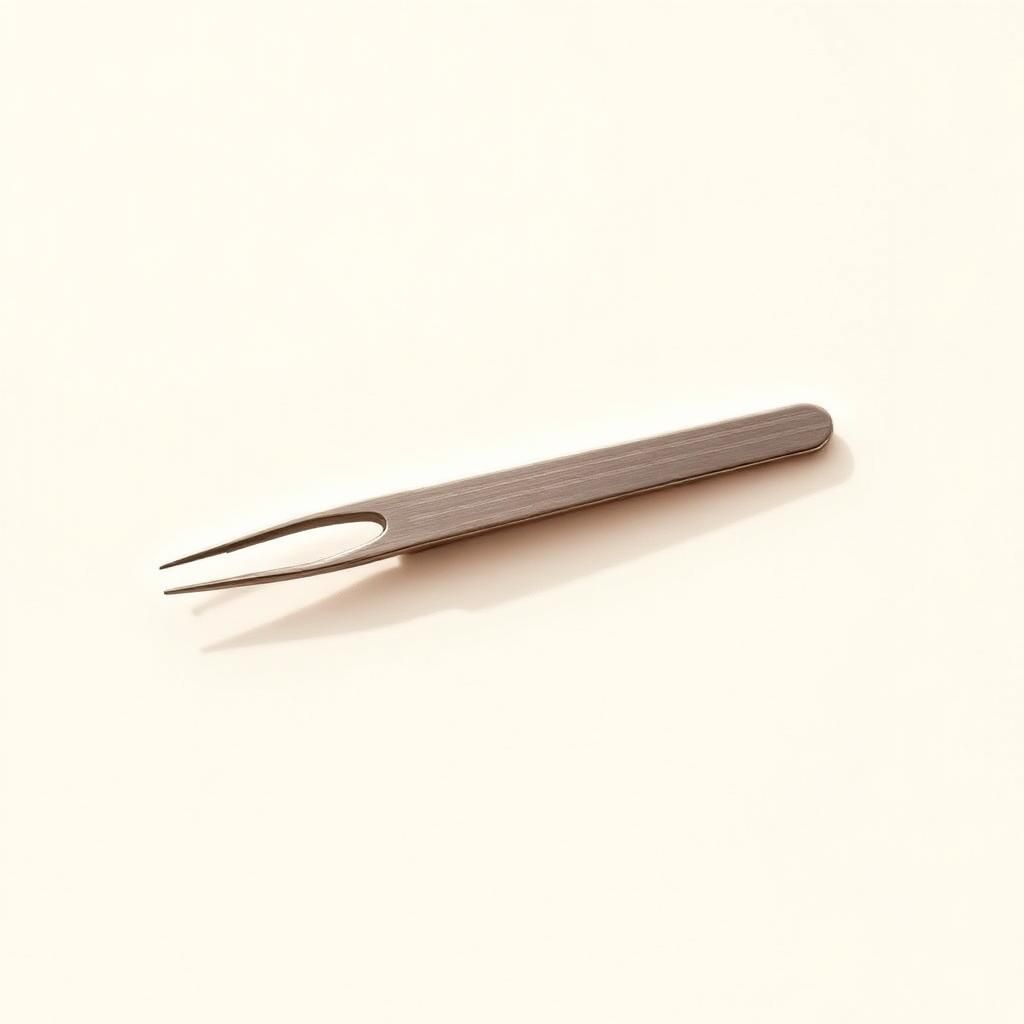
- Chin and jaw (coarse, deep-rooted): slant tip — the angled edge lets you grip at skin level with maximum surface contact
- Upper lip (fine, dense): point or slant with a fine edge — precision matters more than surface area here
- Cheeks and sideburns: slant — quick, clean grabs on scattered hairs
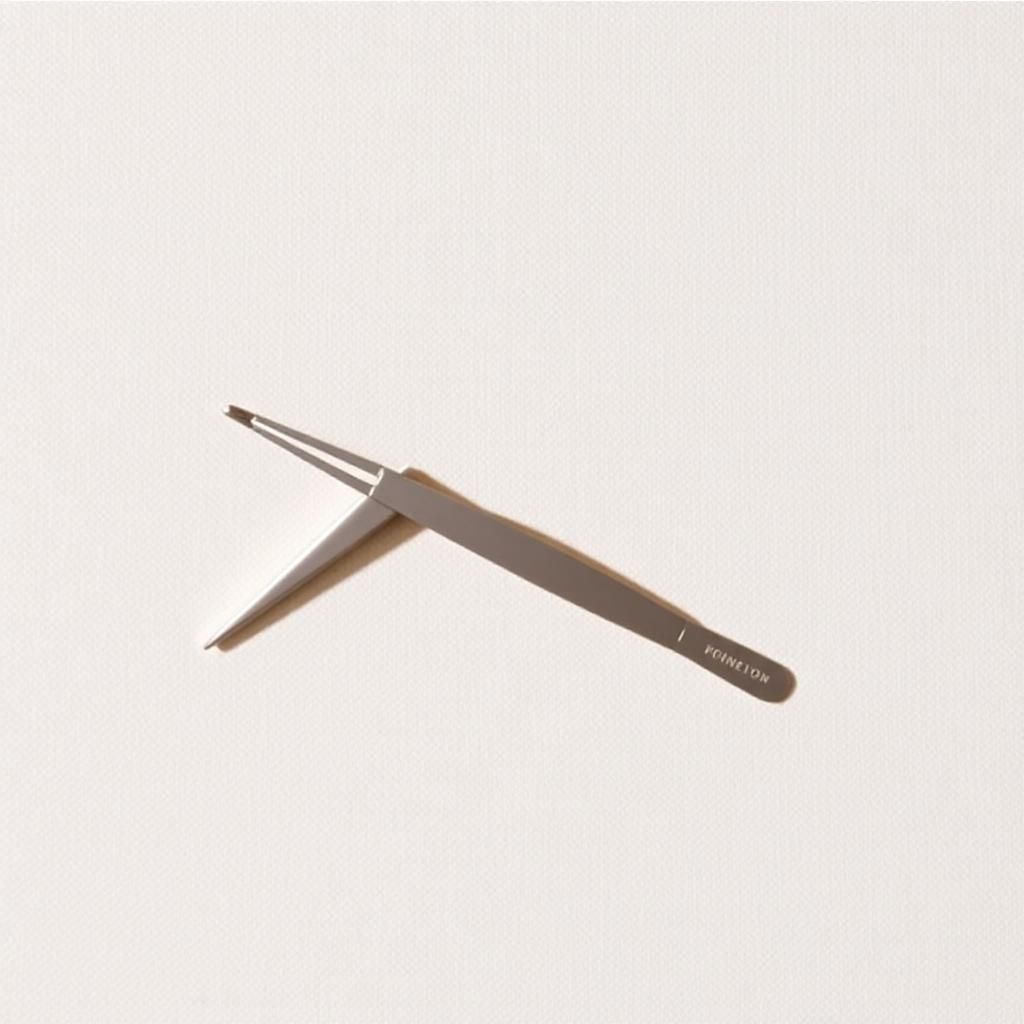
- Flat-lying or short regrowth: pointed tip — isolates the single hair
- Ingrown facial hairs: needle-point — lifts the trapped hair before removing it
The 4 specs that decide whether a tweezer grips facial hair
Brand names aside, four things determine grip. Check these and you can judge any tweezer on the shelf:
- Tip alignment — close the tips against a bright light; any visible gap means fine hairs will slip
- Steel grade — surgical-grade stainless (420/440 class) holds a honed edge; soft stamped metal drifts out of alignment within months
- Spring tension — should need deliberate pressure, not a squeeze; weak springs can't hold a coarse chin root through the pull
- Edge finish — hand-honed inner faces bite into the hair; polished-smooth faces let it slide
Our picks for facial hair
Every Tweezer Co. tool is hand-aligned under magnification and checked for flush closure before it ships — the spec that matters most for facial hair.
- Classic Slant Tweezer — the everyday answer for chin, jaw and cheeks
- Ultra Precision Point Tweezer — for fine upper-lip hairs, short regrowth and isolating a single hair
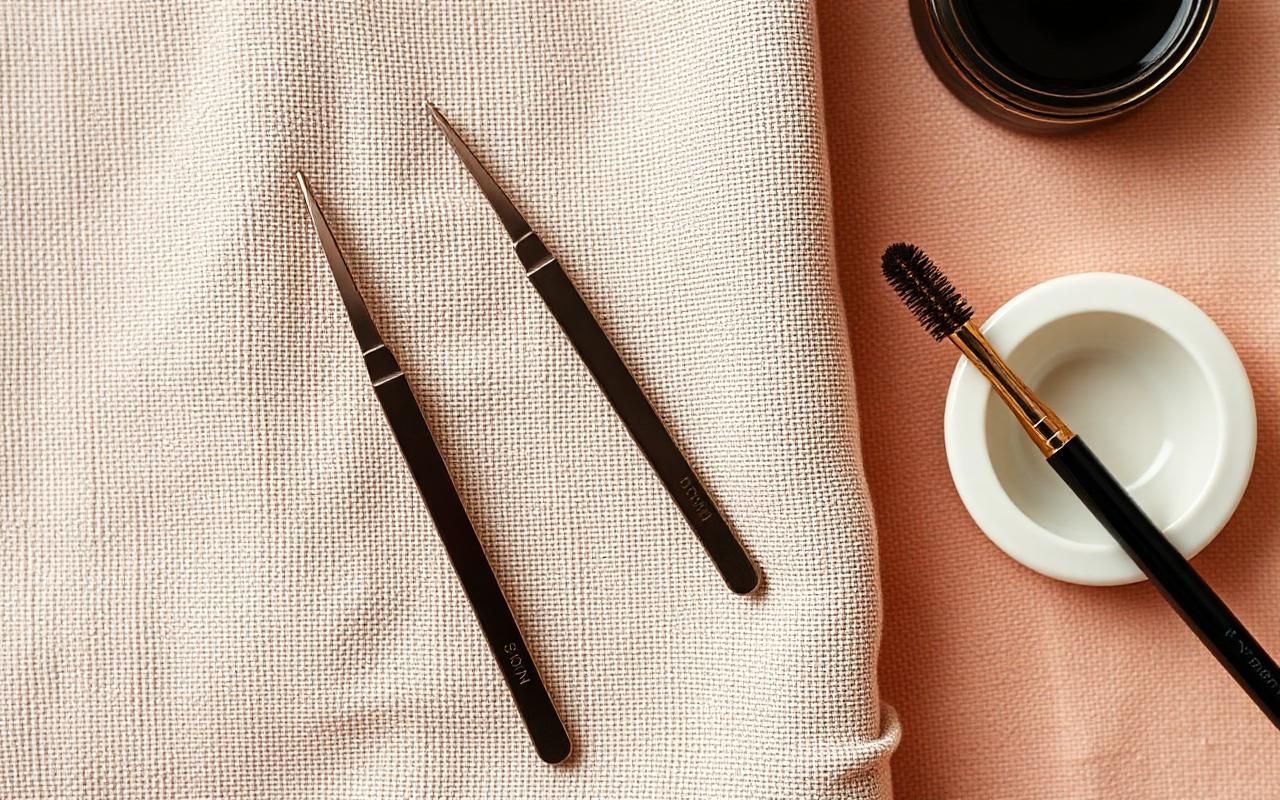
- Brow Duo Set — slant + point together, the most economical way to cover the whole face
Technique: how to tweeze facial hair without breakage
Even the best tweezer fails with bad technique. Coarse facial hairs snap at the surface if they're gripped mid-shaft or pulled against the growth direction — and a snapped hair is tomorrow's ingrown.
- Tweeze after a warm shower, or hold a warm flannel to the area for 60 seconds first
- Stretch the skin taut with your free hand
- Grip the hair as close to the skin as the tip allows
- Pull in the direction of growth in one smooth, firm motion — no twisting
- Soothe the area with a bland, non-comedogenic moisturiser afterwards
Tweezing vs threading vs waxing vs epilating: the short version
Tweezing is unbeatable for a countable number of coarse or isolated hairs. Once you are clearing a whole area — a full upper lip, both cheeks, the sides of the jaw — a faster method usually wins. Here is the honest comparison, method by method.
- Tweezing — most precise, lowest cost, no minimum hair length, best for chin strays and brows. Slow over large areas.
- Threading — fast and precise over an area, no chemicals or heat, ideal for upper lip and brows. Needs a skilled practitioner; regrowth in 2–4 weeks.
- Waxing — quickest way to clear cheeks, lip and jaw at once. Needs about 5mm of growth, is harsh on retinoid-treated or sensitive skin, and can lift the skin if done badly.
- Epilating — mechanical mass-tweezing at home, cheapest per use long term, regrowth 3–4 weeks. Genuinely uncomfortable on the face and not recommended near the eye.
Threading for facial hair: when it beats a tweezer
Threading uses a twisted cotton thread rolled across the skin to lift rows of hair out at the root. Because it removes a line of hair at a time, it clears a full upper lip in a couple of minutes — a job that takes a tweezer fifteen. It is also the gentlest area method for reactive skin: no wax temperature, no adhesive, nothing left on the skin.
The trade-offs are real. You need someone skilled, it stings in short sharp bursts, and it cannot selectively remove one hair the way a tweezer can. Most people who thread still keep a slant tweezer for the chin hairs that appear between appointments — threading a single stray is not practical.
Use threading for: upper lip, brow shaping, sides of the face. Keep tweezing for: individual chin and jaw hairs, and anything that appears the morning of an event.
Waxing facial hair: fast, but the rules are strict
Waxing pulls hair from the root across a whole patch at once, and regrowth typically takes three to four weeks. For dense cheek or jaw hair it is the fastest option there is, and hair often returns finer where the follicle has been repeatedly stressed.
The conditions matter more on the face than anywhere else. Hair needs to be roughly 5mm long, so you must let it grow. Skin on retinoids, acids, isotretinoin or recent laser treatment can lift clean off with the wax — stop actives for at least five days beforehand and tell your therapist. Never wax over active acne, cold sores or broken skin.
Use waxing for: cheeks, jawline, sides, and full-face clearing before an event. Avoid it if your skin is on prescription actives or reacts to adhesive.
- Let hair reach about 5mm before booking
- Pause retinoids and acids for 5–7 days
- Patch test any new wax or therapist
- Skip make-up, heat and exercise for 24 hours afterwards
- Keep a pointed tweezer for the few hairs the wax misses
Epilating facial hair: what it actually feels like
A facial epilator is a rotating head of tiny tweezers that grabs many hairs per second. It is the closest thing to tweezing an area at home, costs nothing after the device, and gives three to four weeks of clear skin. Regrowth comes back soft rather than blunt, because the hair is removed at the root, not cut.
It is also the most uncomfortable method on the face for most people. The head cannot discriminate, so it pulls fine vellus hair alongside coarse hair and can catch skin on the curve of the jaw. Go slowly, hold the skin taut, work against a well-lit mirror, and keep the device away from the immediate eye area and the nostril rim.
Use epilating for: upper lip and chin maintenance at home if you tolerate the sensation. Skip it if your skin is reactive or you are prone to ingrown hairs — mass removal snaps more hairs than a precise tweezer does.
Laser and electrolysis: the permanent-reduction options
Laser targets pigment in the follicle, so it only works on dark hair against lighter skin, and does nothing for grey, white or very blonde facial hair. A course of six to eight sessions typically gives long-term reduction rather than permanence, with top-ups later.
Electrolysis treats each follicle individually with a fine probe and is the only method classed as permanent. It works on any hair colour, including grey, but it is slow and priced by the minute — which is why it is usually reserved for a defined patch of stubborn chin hairs rather than a whole face.
How to choose your method by area and hair type
Most people end up combining two methods rather than committing to one. The pattern that works for the majority: an area method for density, a tweezer for precision.
- A handful of coarse chin hairs — tweeze, nothing else is worth the money
- Dense upper lip — thread or wax, then tweeze strays between appointments
- Fine blonde or grey facial hair — tweezing or electrolysis; laser will not see it
- Cheeks and jaw before an event — wax, at least a day ahead so redness settles
- Regular at-home maintenance on a budget — epilate the lip and chin, tweeze everything else
- Ingrown-prone skin — tweeze only, with a needle point, and exfoliate twice a week
Aftercare is the same whichever method you choose
Every root-removal method leaves an open follicle for a few hours. The aftercare that prevents spots, ingrowns and pigment marks does not change between tweezing, threading, waxing and epilating.
- No make-up, heavy oils or SPF-free sun exposure on the area for 24 hours
- Cool compress for redness, not ice directly on the skin
- Bland, non-comedogenic moisturiser — nothing fragranced or acidic that day
- Gentle exfoliation twice a week from day three to keep follicles clear
- Resist picking at a hair that grows back trapped — lift it with a needle point instead
Buying facial-hair tweezers in your country
TweezerCo ships free and tracked worldwide, so the buying decision isn't about what a local pharmacy happens to stock. It is worth matching your tool to local conditions though: humid climates mean skin holds the hair root more firmly, so a flush-aligned slant matters more; dry, air-conditioned climates leave flaky skin over fine vellus hair, which is where a needle point earns its place.
Each guide below covers delivery, duties and currency for that market, plus the climate factors that change how chin and lip hair behaves where you live.
Frequently asked
Where can I buy tweezers for facial hair near me?
Pharmacies and beauty counters stock stamped tweezers that rarely grip coarse chin hair. Hand-aligned tools are almost always bought direct from the maker — TweezerCo ships free and tracked worldwide, with country-by-country delivery guides and a 30-day return window.
Does climate affect facial hair tweezing?
Yes. Humid air slightly swells the skin so the root is gripped more tightly, meaning more tugging; dry or air-conditioned air causes flaking that hides fine hairs. Warm the skin before tweezing in dry climates, and work in a cool room in humid ones.
What are the best tweezers for facial hair?
A hand-aligned slant tweezer in surgical-grade stainless steel handles most facial hair — coarse chin hairs, jaw and cheeks. Add a pointed tweezer for fine upper-lip hairs, flat-lying regrowth and ingrowns. Tip alignment matters more than brand.
Are slant or pointed tweezers better for chin hair?
Slant tweezers are better for coarse chin hairs — the angled edge gives maximum surface contact at skin level and grips deep roots without snapping them. Pointed tips are for fine or flat-lying hairs.
Why do my tweezers slide off facial hair?
Almost always a tip-alignment gap or oil buildup on the edges. Hold the closed tips to a bright light — any daylight means misalignment. Clean the inner faces with isopropyl alcohol and retest.
Is it OK to pluck chin hair?
Yes, with a clean, well-aligned tweezer: stretch the skin taut, grip at the base and pull in the direction of growth in one motion. Repeated snapping at the surface is what causes ingrowns.
What tweezers are best for coarse facial hair?
Coarse facial hair needs flush-aligned tips, firm calibrated spring tension and surgical-grade steel that won't drift out of alignment. A hand-honed slant tweezer is the standard answer; cheap stamped tweezers lose their edge within months of chin duty.
Is threading or tweezing better for facial hair?
Threading is better for clearing an area such as the upper lip, because it removes a row of hair in seconds. Tweezing is better for individual chin and jaw hairs, where precision matters and threading cannot isolate a single hair. Most people use both.
Is waxing or tweezing better for chin hair?
Tweezing, in almost every case. Chin hairs are usually countable, and waxing a small patch means growing the hair to about 5mm first and risking lifted skin. Wax the cheeks and jaw if the hair is dense; tweeze the chin.
Does epilating facial hair cause ingrown hairs?
It can. An epilator grabs many hairs at once and snaps more of them at the surface than a precise tweezer does, which is the main cause of ingrowns. Exfoliate twice a week, and use a needle-point tweezer instead if you are already ingrown-prone.
How long does hair need to be for facial waxing or threading?
Waxing needs roughly 5mm of growth to grip. Threading works on much shorter hair — around 2mm — which is why it suits upper-lip maintenance between appointments.
Does facial hair grow back thicker after waxing or tweezing?
No. Root removal does not change the follicle's thickness. Hair often feels coarser after shaving because the cut end is blunt, but hair removed at the root grows back with its natural tapered tip.