Facial Hair Removal for Women: A Complete, Honest Guide
By TweezerCo · 14 September 2026 · 8 min read

Facial hair on women is completely normal — most of it is fine vellus hair, and some is coarser terminal hair driven by genetics, hormones or age. There's no medical need to remove it. If you want to, the honest truth is that no single method is best for the whole face: the upper lip, chin, jawline and cheeks each respond differently. This guide compares the realistic options by area, with straight answers on pain, cost and how quickly hair returns.
First, know what kind of hair you're dealing with
Vellus hair is the soft, light, barely-visible fuzz that covers most of the face. Terminal hair is thicker, darker and rooted deeper — typically on the chin, jaw and upper lip.
This distinction matters, because methods that work brilliantly on terminal hair (tweezing, laser) are inefficient or unnecessary on vellus hair, and methods aimed at vellus fuzz (dermaplaning) don't solve a coarse chin hair.
Tweezing — best for the chin, jaw and stray hairs
For a countable number of coarse hairs, tweezing is the most precise, cheapest and least irritating option. You remove the hair from the root, so regrowth takes two to six weeks, and you target only the hairs you actually want gone.
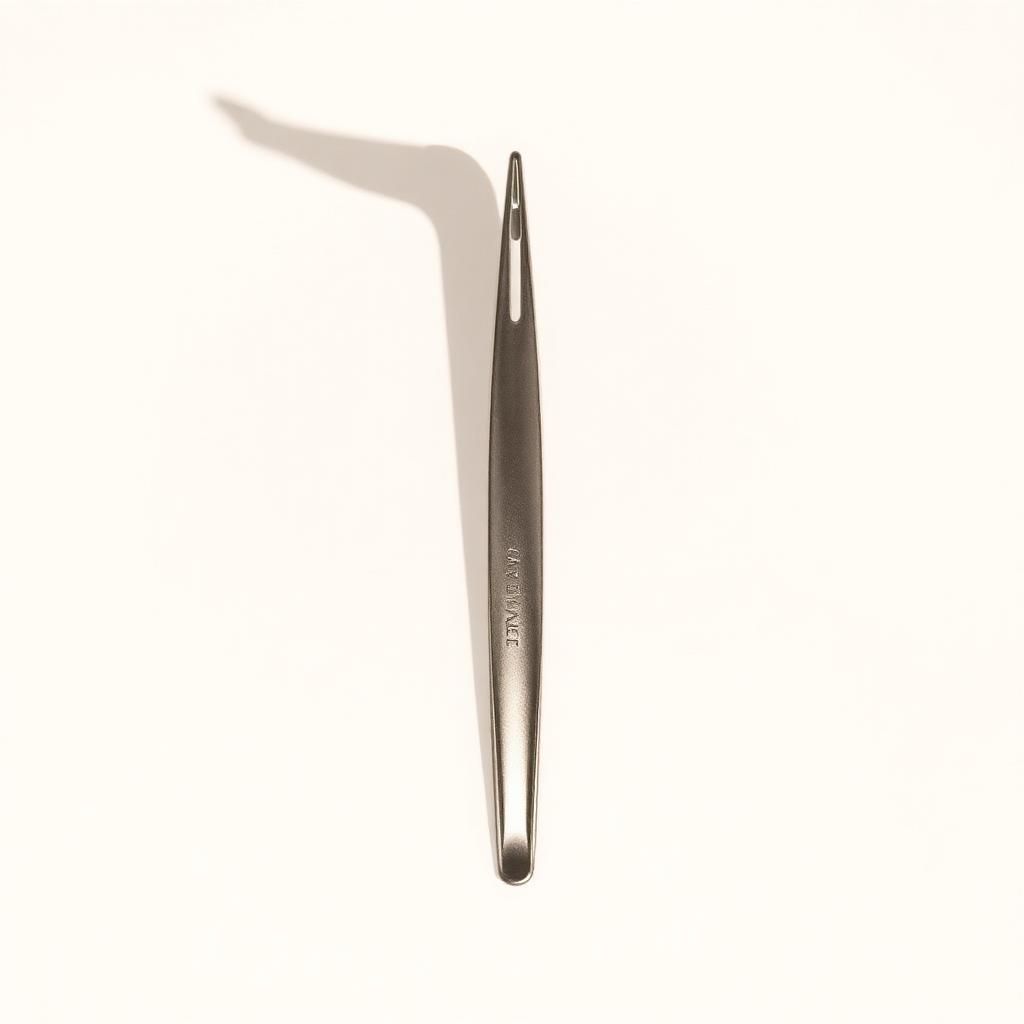
It only works properly with a tool whose tips meet flush. A misaligned tweezer snaps the hair at the surface instead of pulling the root, which is what causes stubble a day later and ingrowns a week later. Pull in the direction of growth, with the skin held taut.
- Best for: chin, jawline, stray brow and upper-lip hairs.
- Pain: mild and brief.
- Regrowth: 2–6 weeks.
- Cost: one good tweezer, used for years.
Threading — best for the upper lip and brow line
A twisted cotton thread lifts a row of hairs at once. It's fast across a defined line, removes fine hair that wax can miss, and uses no chemicals — useful on sensitive or retinoid-treated skin.
It's difficult to do well on yourself, so realistically it's a salon service every three to five weeks.
Waxing — best for larger areas, worst for fragile skin
Wax clears the upper lip, cheeks or sides quickly and pulls from the root. The trade-off is real: facial skin is thin, and wax lifts a layer of it along with the hair. If you use retinoids, acids or have rosacea, waxing the face is frequently a bad idea.
Dermaplaning — for vellus fuzz and texture, not coarse hair
A sterile blade shaves off vellus hair and dead surface skin. Makeup sits better afterwards and the skin looks brighter. It does nothing useful for a coarse chin hair — that will be back as visible stubble within a day, because shaving cuts rather than removes.
And no: shaving does not make hair grow back thicker. It cuts the hair at its widest point, which feels blunt, but the follicle is unchanged.
Laser and IPL — the long-term option, with conditions
Laser hair removal gives the most durable reduction on the face, but it targets pigment: it works best on dark hair against lighter skin and does essentially nothing on grey, white or very blonde hair. You need a course of six to eight sessions plus maintenance, and results on hormonally driven chin hair often need ongoing top-ups.
Choose a practitioner who patch-tests and uses a device appropriate to your skin tone — the face is an unforgiving place for a burn.
Depilatory creams — convenient, high irritation risk
Chemical creams dissolve the hair at the surface. They're painless and quick, but the same chemistry that breaks down keratin irritates facial skin. Use only formulations labelled for the face, patch test, and don't exceed the stated time.
When to see a doctor rather than reach for a tool
A sudden increase in coarse facial hair, especially alongside irregular periods, acne or hair thinning on the scalp, is worth a GP conversation — it can point to PCOS or another hormonal cause that's treatable at the source. Hair removal treats the symptom; a diagnosis may address the reason.
The practical routine most people land on
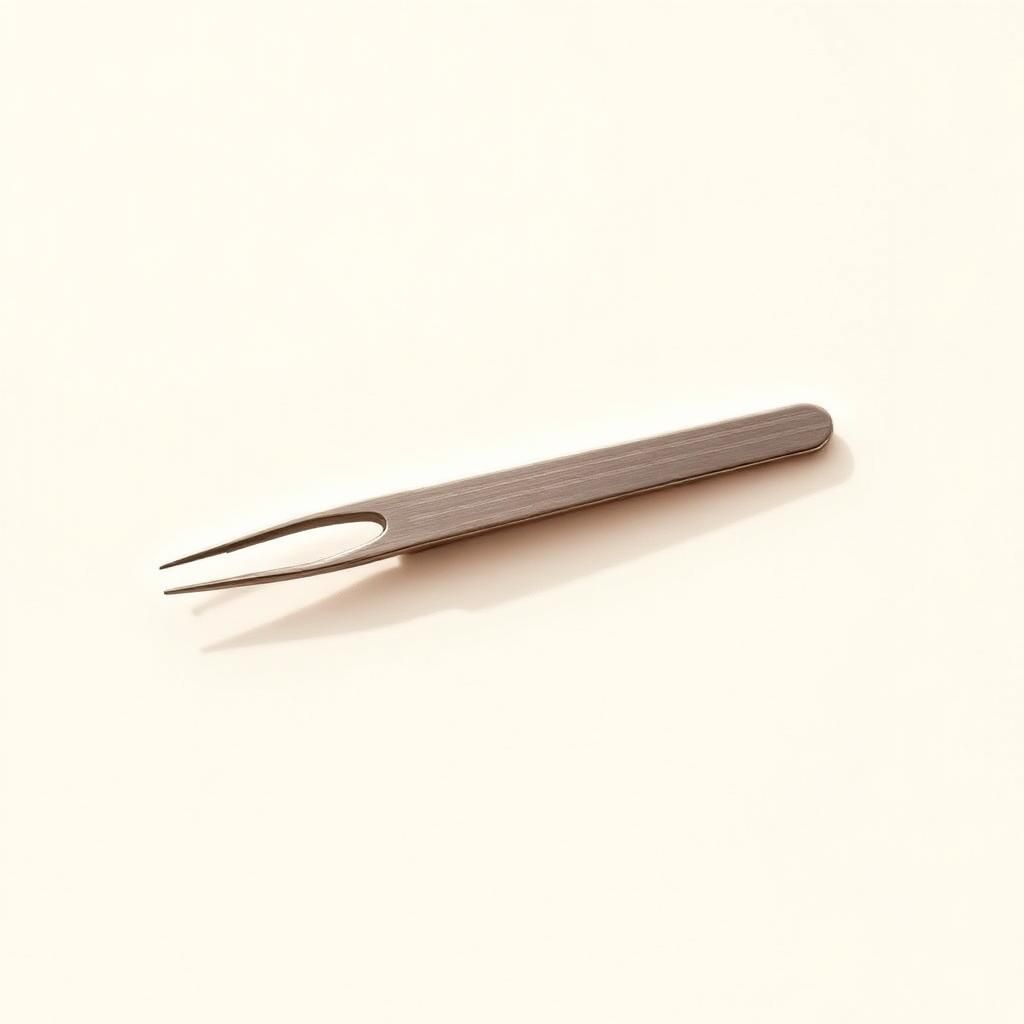
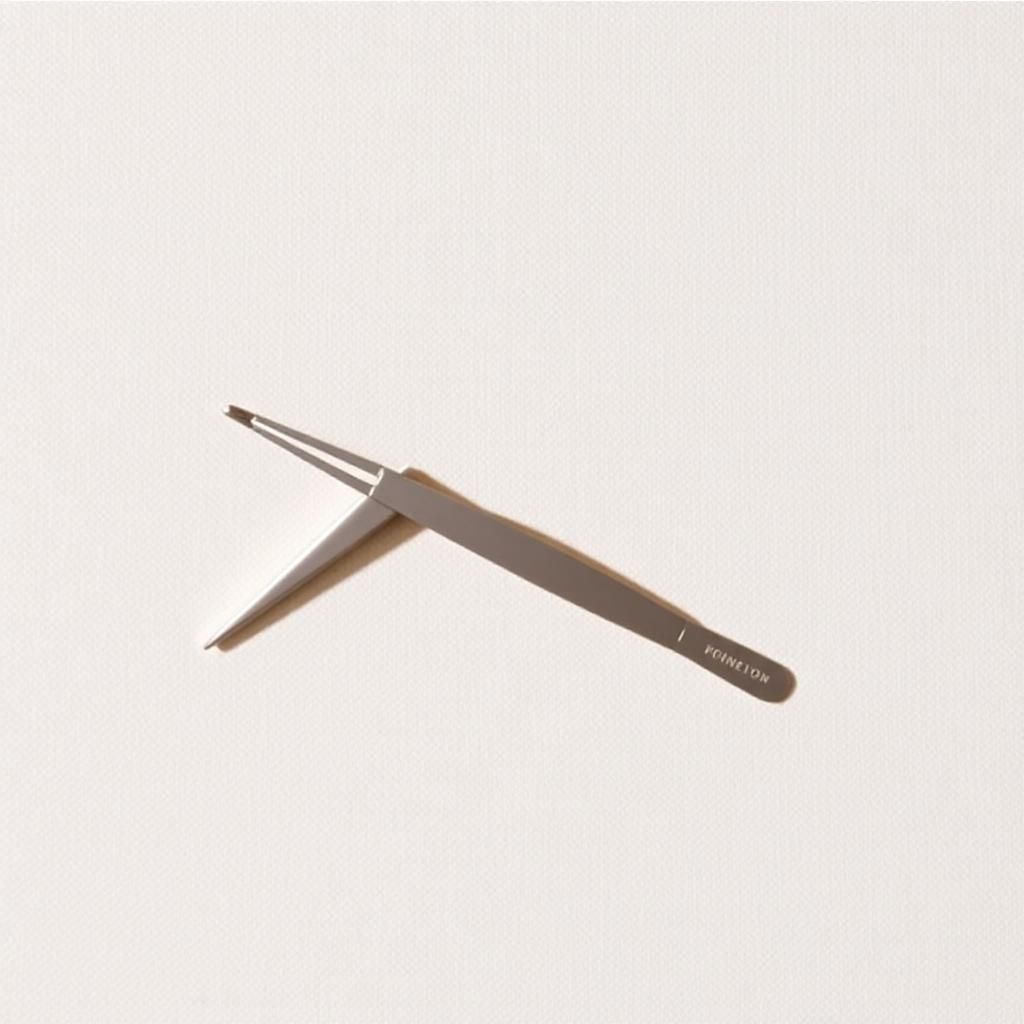
In our experience, the combination that works for the majority of faces is simple: a hand-aligned slant tweezer for coarse chin and jaw hairs as they appear, threading or a point tweezer for the upper lip, and nothing at all for vellus fuzz unless you want the makeup-application benefit of dermaplaning. It costs almost nothing to maintain and it's the gentlest option for facial skin.
Where to buy these tweezers in your country or city
TweezerCo ships free and tracked worldwide, so you're not limited to what a local pharmacy happens to stock. Each guide below covers delivery times, duties, currency and the local climate factors — hard water, humidity, air conditioning — that change how your tweezers and your skin behave where you live.
Frequently asked
What is the best facial hair removal method for women?
It depends on the area. Tweezing is best for coarse chin and jaw hairs, threading for the upper lip and brow line, and laser for long-term reduction of dark hair.
Does facial hair grow back thicker after tweezing?
No. Tweezing removes the hair from the root and doesn't change the follicle. Regrowth comes back with a natural tapered tip, often finer over time.
Is it bad to pluck facial hair?
No, provided you use a clean, well-aligned tweezer, hold the skin taut and pull in the direction of growth. Repeated snapping at the surface is what causes ingrowns.
How do I remove chin hair without ingrowns?
Cleanse first, hold the skin taut, grip at the base with flush-tipped tweezers and pull in the growth direction in one smooth motion. Follow with a soothing, non-comedogenic moisturiser.
Does laser work on grey facial hair?
No. Laser targets pigment, so it's ineffective on grey, white and very blonde hair. Tweezing or electrolysis are the practical options there.