What Makes a Tweezer Actually Good? (And Why Tweezerman Built a Reputation)
By TweezerCo · 29 May 2026 · 5 min read
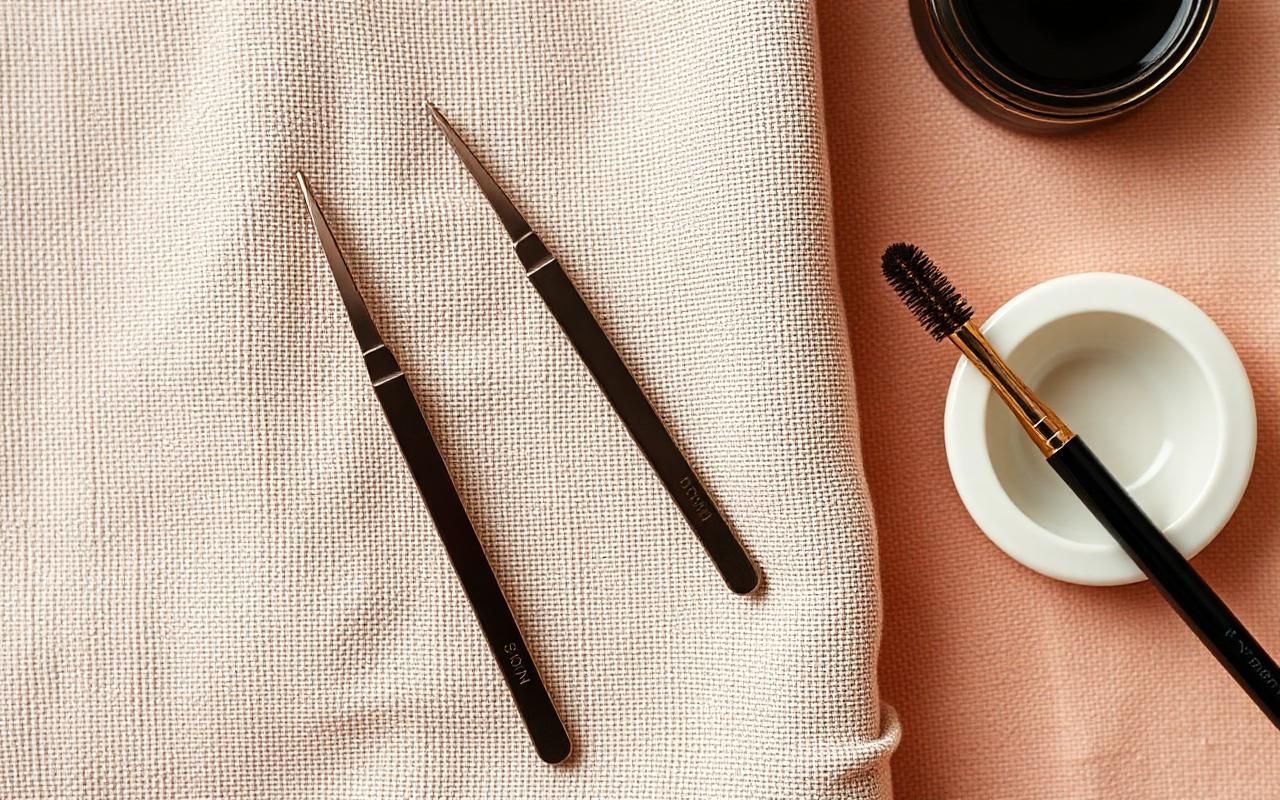
If you've searched 'why are Tweezerman tweezers so good?' you're really asking a better question underneath: what actually makes a tweezer good? The answer is a small number of specs that most marketing pages skip. Once you know them, you can evaluate any brand — including ours — on the same scale.
Short answer
A great tweezer comes down to four specs: surgical-grade stainless steel, hand-honed tip alignment under magnification, calibrated spring tension, and a precision-ground angle (usually 25° on a slant). Tweezerman built its reputation on the second one — hand-aligning every tip — at a time when most competitors didn't. That's the real reason their reputation endures.
The four specs that actually matter
Marketing pages talk about colors, finishes, and gift packaging. Tweezer makers talk about these four things:
- Steel grade — surgical-grade (typically 420 or Japanese SUS) holds an edge; cheap stainless dulls in months
- Tip alignment — hand-honed under magnification so the tips meet flush, with no daylight between them
- Spring tension — calibrated so the arms close with effort that's comfortable for long sessions
- Angle precision — a true 25° slant or a hand-ground needle point, ground to spec rather than stamped
Why Tweezerman's reputation is real (and where it ends)
Tweezerman popularised hand-aligned tips at a price point ordinary shoppers could reach. That was genuinely category-defining and the reason their Slant became the default reference tool. Their warranty and free sharpening program also raised the bar for what a beauty tool could promise.
Where that reputation has thinned: the market caught up. Several independent makers now build to the same spec — and in some cases tighter tolerances — at the same or lower price. Tweezerman is no longer the only choice; it's one of several good ones.
How we compare
We use Japanese surgical-grade stainless steel, hand-hone every tip under 10x magnification, calibrate spring tension to a specific gram range, and grind every slant to a true 25°. Every tool ships with a lifetime warranty and free re-honing for life. £18 for a Classic Slant, £18 for an Ultra Precision Point. Same spec as the category leaders, often a few pounds less.
How to evaluate any tweezer brand
Use this checklist next time you're shopping — it works for any brand:
- Does the brand state the steel grade? (If not, assume it's basic stainless.)
- Do they explicitly say the tips are hand-honed or hand-aligned?
- Is there a real warranty — and does it cover re-honing, not just defects?
- Can you see a close-up photo of the tips meeting?
- Is the angle named (25°, needle point) or is it vague?
Frequently asked
Why are Tweezerman tweezers so good?
Tweezerman popularised hand-aligned tips in surgical-grade stainless steel at an accessible price, and backed every pair with a free sharpening warranty. That combination — spec plus service — built a reputation that lasted decades. Several independent brands now build to the same spec at similar or lower prices.
Are Tweezerman tweezers worth the money?
Yes — they're built to a real spec and backed by a warranty. They are not the only tweezers built that way anymore, so it's worth comparing on the four specs that matter: steel grade, hand-honed alignment, spring tension, and angle precision.
What is the best tweezer brand?
There is no single best brand — there's a small group of makers (including Tweezerman, Rubis, La Bonne Brosse, and us) who build to surgical-grade spec with hand-honed tips and lifetime warranties. Choose on price, finish, and warranty service.
What makes a tweezer high quality?
Four specs: surgical-grade stainless steel, hand-honed tip alignment under magnification, calibrated spring tension, and a precision-ground angle. Everything else (color, packaging, branding) is decoration.