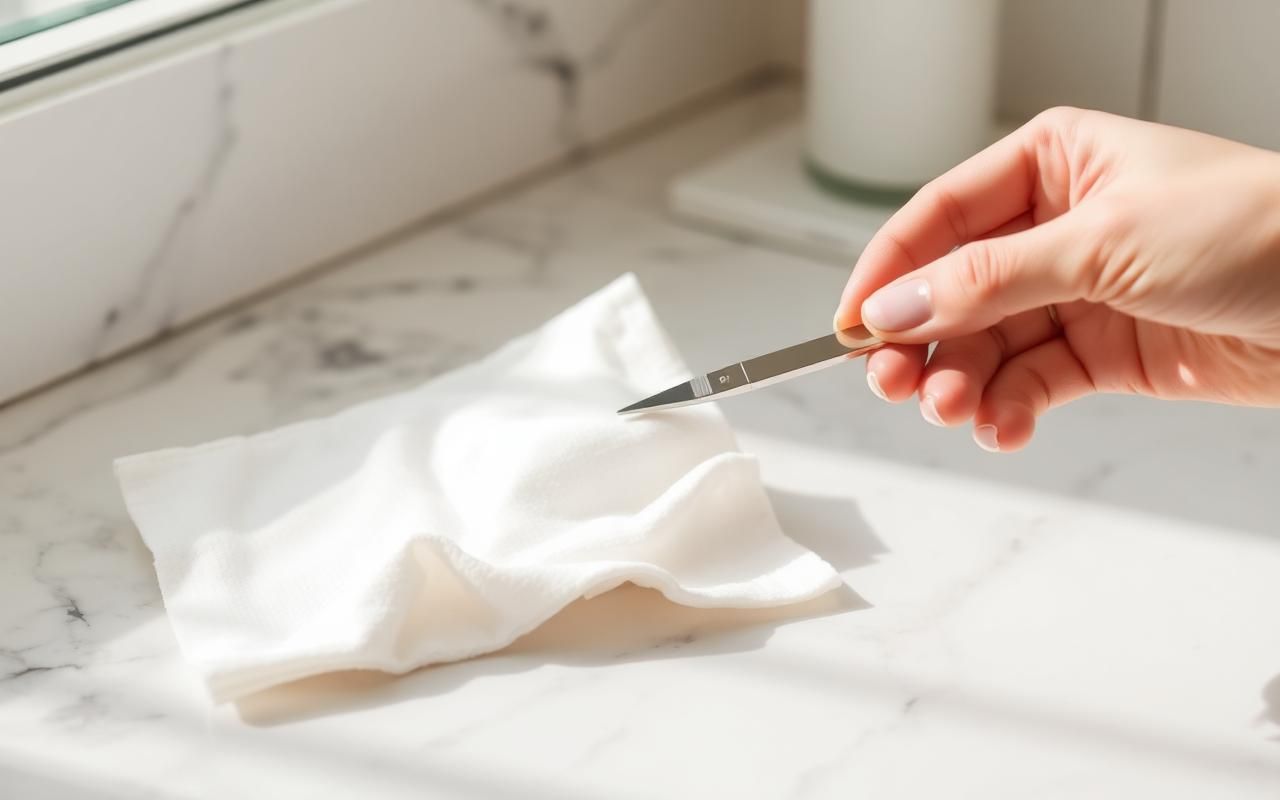
Looking for Ingrown Hair Relief? 10 Things You Should Know About Precision Tweezing
By TweezerCo · 29 June 2026 · 9 min read
Last updated:
Most people handle an ingrown hair like a frantic excavation project — grabbing the first dull drugstore tweezers they can find and gouging the skin to dig the culprit out. That isn't grooming; it's self-harm. Precision tweezing is a mechanical discipline: the right alloy, the right alignment, and a refusal to compromise on technique.
1. The tool is everything
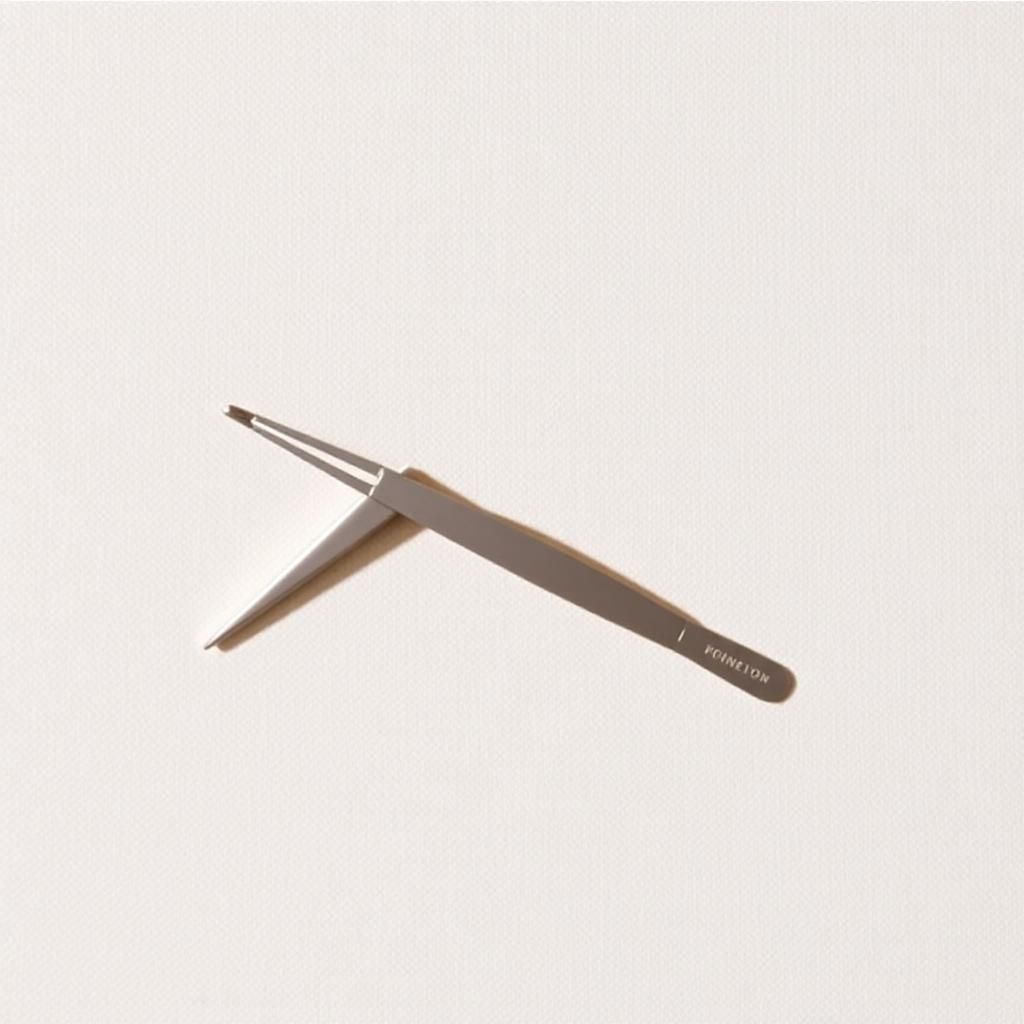
Most mass-market tweezers are stamped, spot-welded and 'scissor' when pressure is applied. For ingrowns you need an Ultra Precision Point forged from a single piece of surgical-grade stainless steel. Surgical steel holds a hand-honed edge for years — the tips stay needle-fine instead of dulling into blunt instruments that crush the hair.
2. Needle-fine, not needle-sharp
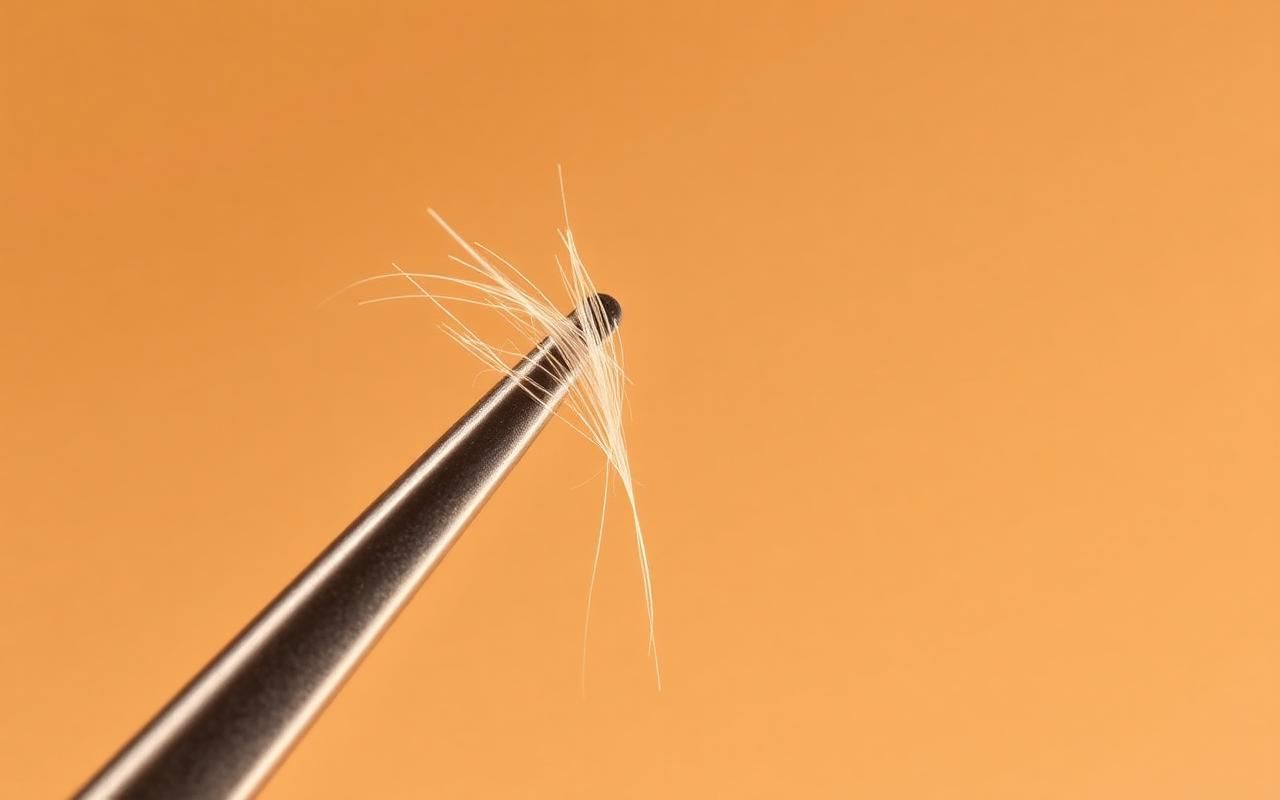
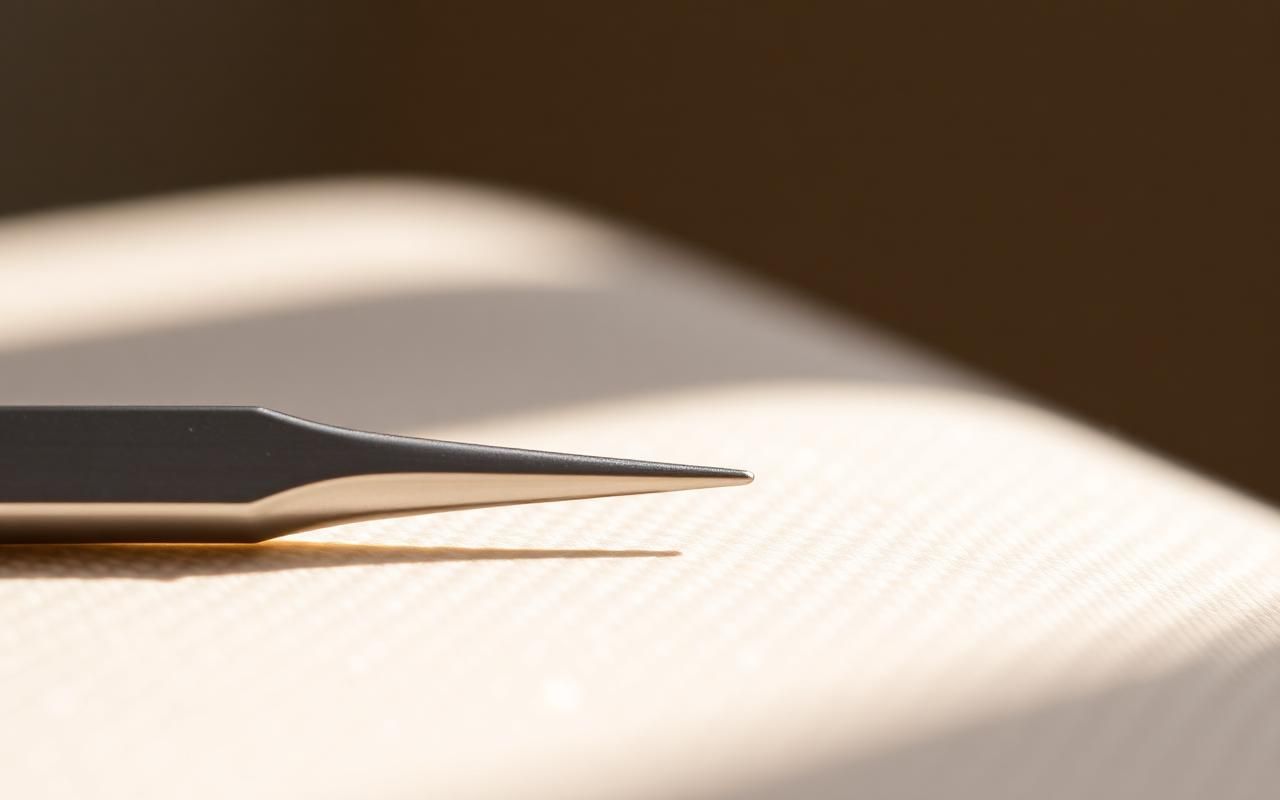
A tweezer that cuts will decapitate the hair, leaving the root trapped beneath the surface to inflame further. What you need is needle-fine alignment — tips that meet with absolute flush precision so you can catch the tiniest sliver of a trapped ingrown without losing control.
3. Sterility is not optional
You're technically performing a minor invasive procedure. Disinfect the tool with 70% isopropyl alcohol and let it air dry. Clean the skin. Every single time.
4. The 'lift', not the 'dig'
The biggest mistake in ingrown hair relief is digging into the dermis. If the hair is deep enough that you have to break the skin to see it, stop — that's dermatologist territory. Precision tweezing is for superficial ingrowns: gently tease the hair out from under the surface, then pull.
5. Heat is a mechanical advantage
Cold skin is tight, stubborn skin. Hold a warm, damp compress over the area for 3–5 minutes before extraction. A hydrated hair is less likely to snap mid-pull.
6. Tension: not a snap, not a fight
The tension on a high-quality precision tweezer is calibrated. Hold it like a pen, not a pair of pliers, and press just enough to secure the hair. A hand-aligned tool does the work for you.
7. Directional truth: pull with the growth
Never pull against the grain or straight up. Grip the hair as close to the base as possible and pull in the same direction it grows. Slow, steady extraction ensures the entire bulb is removed — preventing a recurring ingrown.
8. Visibility and lighting
You can't perform precision work in the dark. Use a magnifying mirror and a direct light source. Guessing with a surgical-grade point is a recipe for a scar.
9. Post-extraction protocol
After extraction the follicle is an open channel. Skip heavy oils, thick creams and makeup. Cleanse with a gentle non-fragranced wash. A small amount of witch hazel or a light BHA toner keeps the area clear.
10. The prevention loop
If you're constantly reaching for the tweezers, your routine is broken. Regular chemical exfoliation (BHA) clears dead skin from the exit path of new hair growth. If you shave, use a fresh blade — dull razors hook the hair and practically guarantee ingrowns.
Frequently asked
What is the best tweezer for fine hair?
An Ultra Precision Point tweezer. Slanted tweezers are often too wide to grab a single fine vellus hair without catching the surrounding skin.
Can I use the same tweezers for splinters?
Yes. Surgical-grade stainless point tweezers are the gold standard for splinter removal. Sterilise before and after use.
Why do my tweezers stop working?
Stamped metal loses its spring and alignment over time. TweezerCo tools come with a lifetime warranty — if alignment ever fails through normal use, we replace them.
How much should a good pair of precision tweezers cost?
Expect £20–£40 for a professional-grade tool. Anything cheaper is likely mass-produced with poor alignment and inferior steel that dulls within months.