The Best Tweezers for Splinters (Featured Method)
By TweezerCo · 28 May 2026 · 5 min read
A splinter is just a tiny foreign body trapped under the skin. With the right tweezer, removing one takes thirty seconds and leaves no mark. With the wrong tweezer, you'll break the splinter, push it deeper, or tear the skin around it. The right tool is a sanitised needle-point tweezer — and the right method is to pull in the direction the splinter entered.
Why a needle point is the right tool
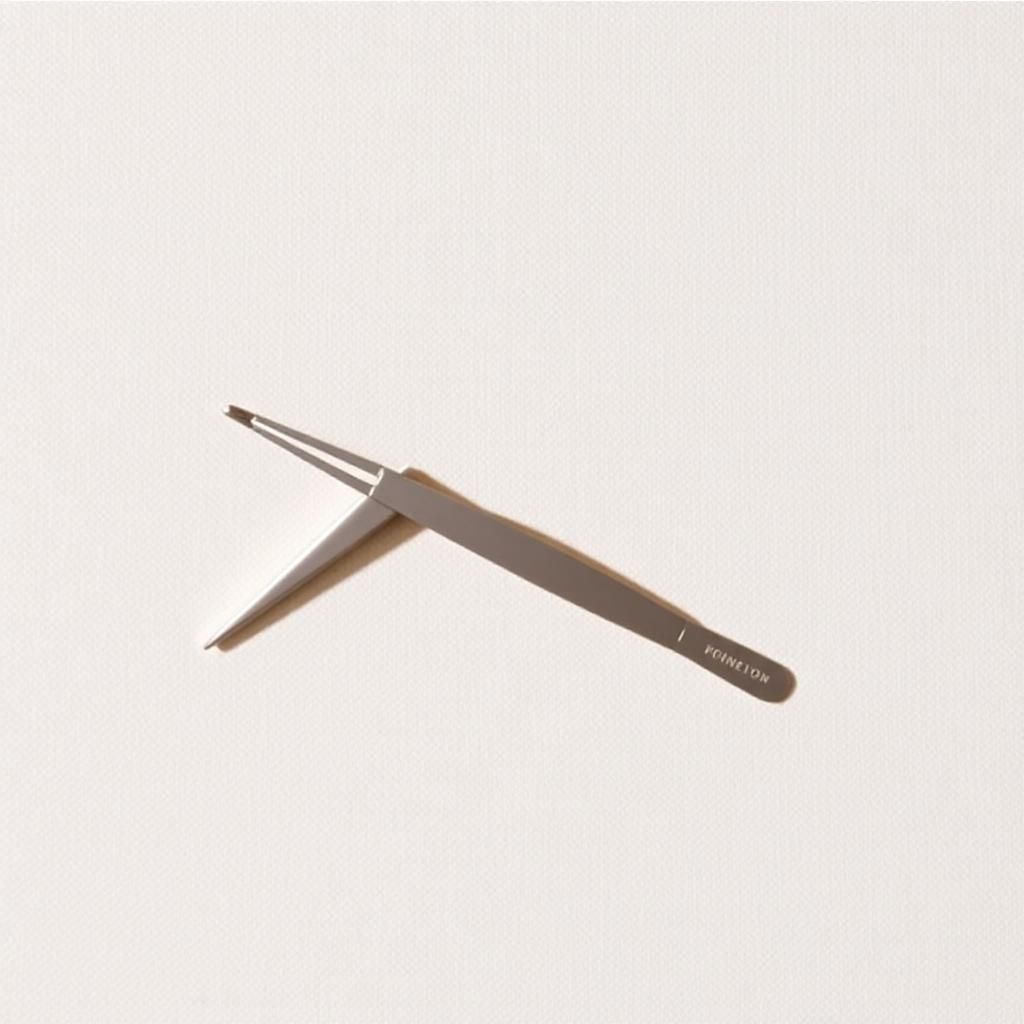
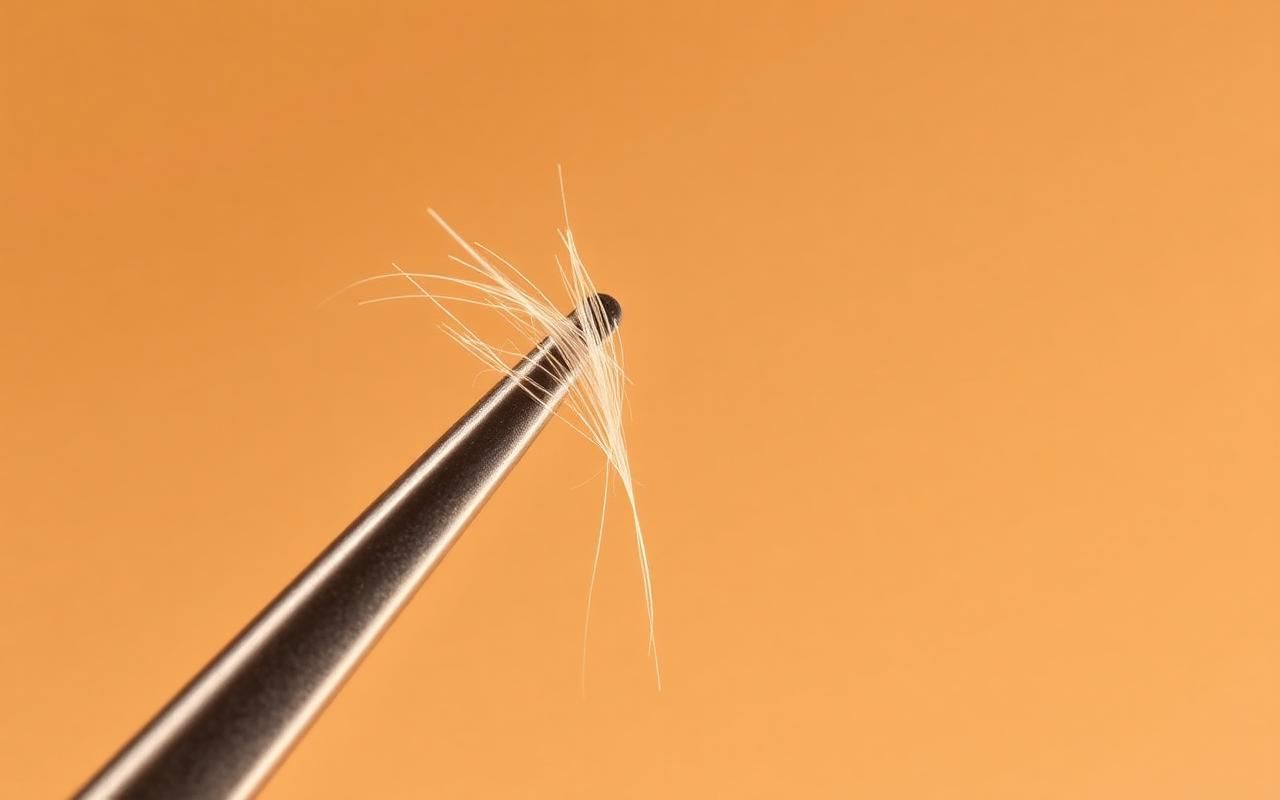
Slant tweezers grip on a flat edge — useless when a splinter is small and partially submerged. A needle-point tweezer can grip the tip of the splinter precisely, even when only a millimetre is showing.
Before you start
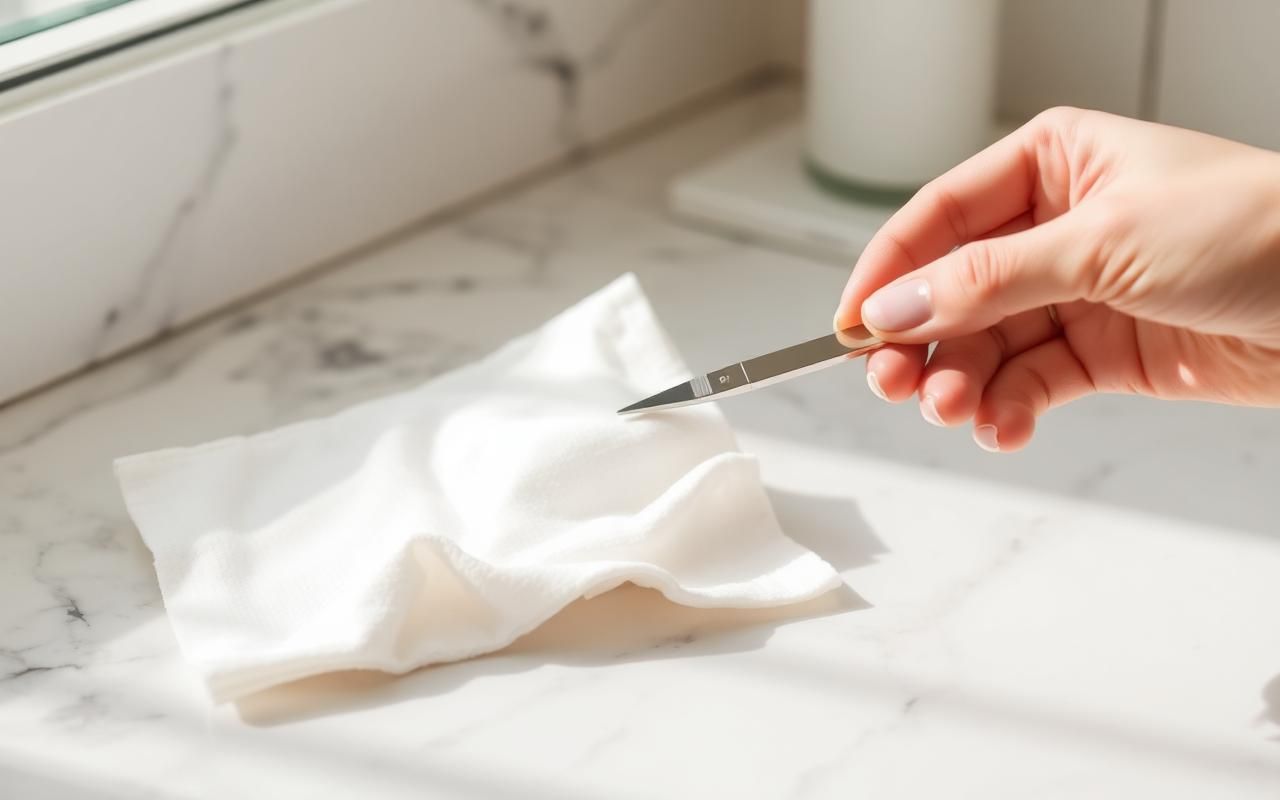
Wash your hands. Wash the area with soap and water. Wipe the tweezer tips with 70% isopropyl alcohol. Work in good light — daylight or a strong lamp, ideally with a magnifying mirror.
The safe extraction method
Hold the skin taut to expose as much of the splinter as possible. Grip the splinter at its base — the part nearest the surface — and pull in the direction it entered. Pulling sideways or against the entry angle is what breaks splinters off below the surface.
- Wash hands and area with soap and water
- Sanitise tweezer tips with isopropyl alcohol
- Hold the skin taut in good light
- Grip the splinter at its base, not the tip
- Pull steadily in the direction it entered
- Clean the area and apply a thin layer of antiseptic
When to see a clinician
If the splinter is deep, near an eye, made of glass, or shows signs of infection (heat, swelling, pus), stop and get medical help. The same applies if the splinter breaks below the surface or if the recipient hasn't had a recent tetanus booster.
Frequently asked
What tweezers are best for splinters?
A hand-honed needle-point tweezer in surgical-grade stainless steel. The fine tip can grip a splinter when only a millimetre is showing — a slant edge can't.
How do you remove a splinter with tweezers?
Wash the area, sanitise the tweezer tips with isopropyl alcohol, grip the splinter at its base and pull steadily in the direction it entered. Clean and apply antiseptic afterwards.
Should I sterilise tweezers before removing a splinter?
Yes — wipe the tips with 70% isopropyl alcohol. Surgical-grade stainless tweezers are designed to be sanitised this way.
What if the splinter breaks off under the skin?
Don't dig. Soak the area in warm soapy water to draw the splinter closer to the surface. If it doesn't surface within a day or shows signs of infection, see a clinician.