Tweezers for Lash Extensions: The Complete Buyer's Guide
By TweezerCo · 3 July 2026 · 6 min read

Lash extension work is a tweezer-first craft. The right pair does two things: it isolates one natural lash cleanly, and it picks and places an extension without dropping it. The wrong pair does neither, and shows up as slow set times, poor retention and hand fatigue by the end of a day of clients.
The three lash tweezer shapes
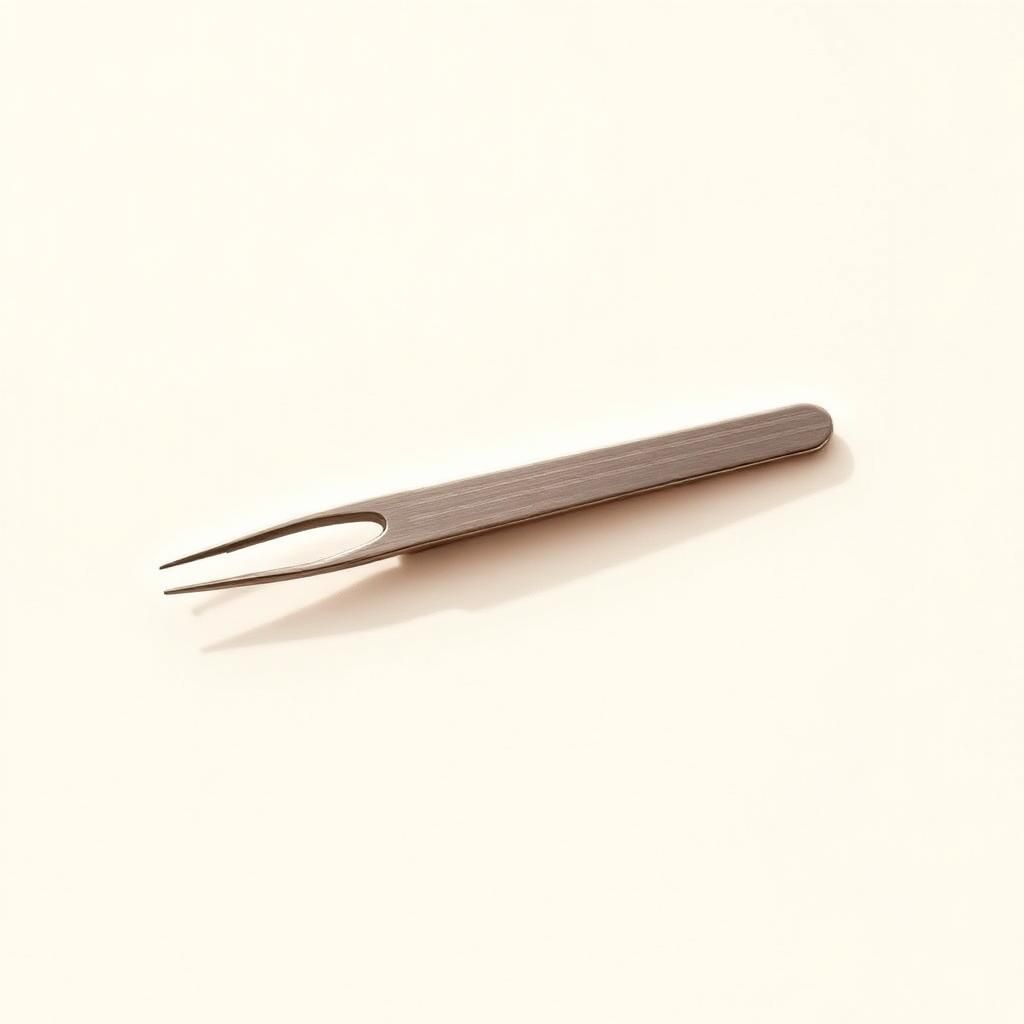
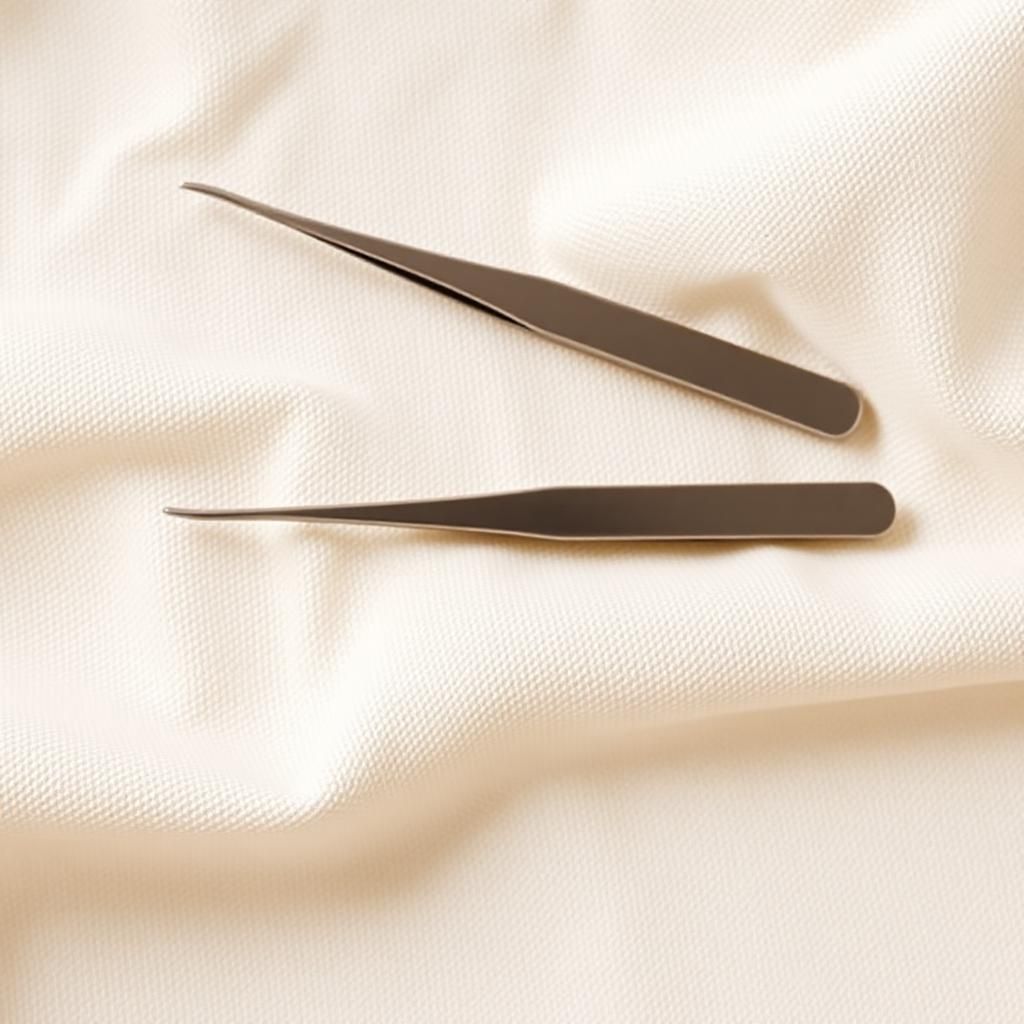
Straight isolation tweezers: fine tip, used to separate one natural lash. Curved (L-shape) tweezers: your primary placement tool for classic sets. Volume tweezers: acute-angle or boot-shape, engineered to close under pressure to pick a fan.
Why tension matters more than tip shape
A great lash tweezer has consistent closing tension across the length of the tips. Cheap tweezers close unevenly, which is why fans drop mid-placement. Test tension by holding the tweezer horizontally and pressing — the tips should meet fully with light pressure.
Finish and coating
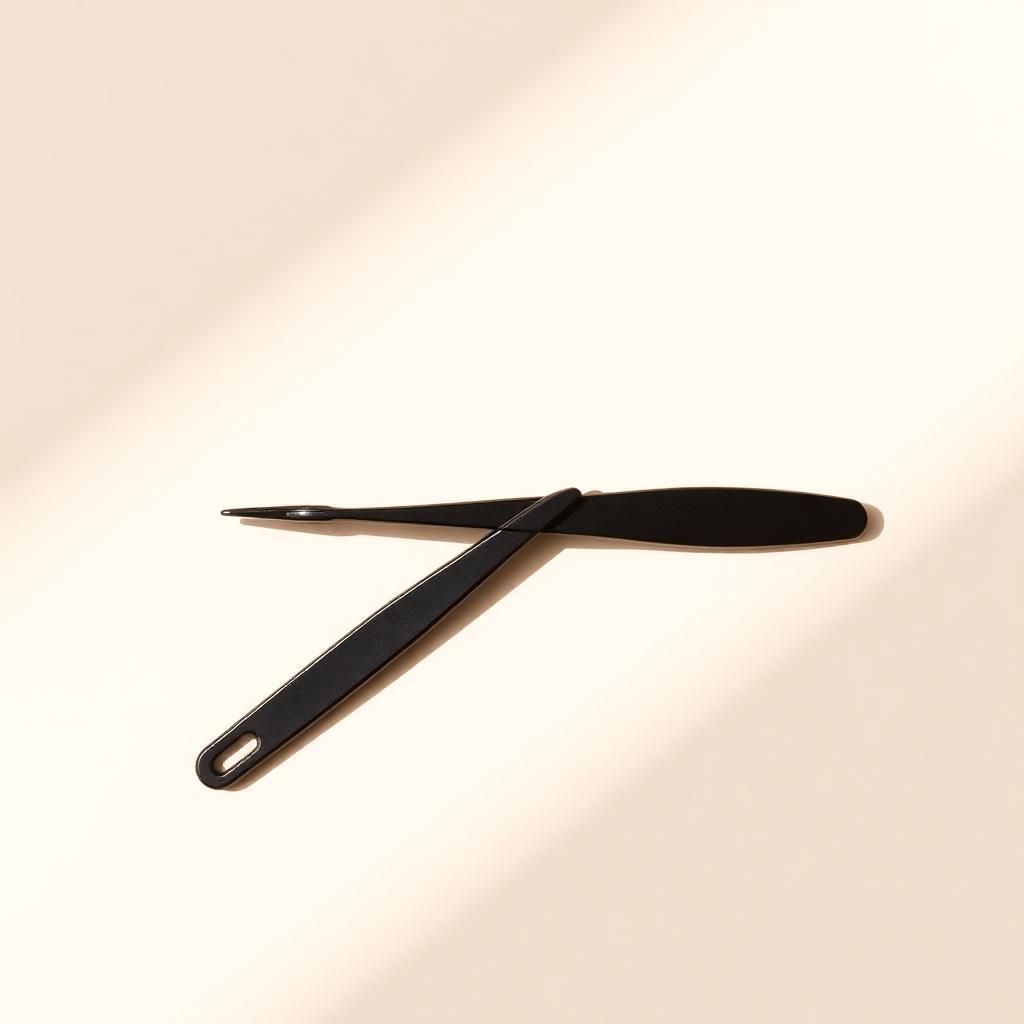
Matte black tweezers reduce glare when you're inches from a client's closed eyes. Titanium plating adds anti-magnetism (helpful for volume work) and hides small scratches. Both are cosmetic; steel quality underneath is what actually matters.
Care between clients
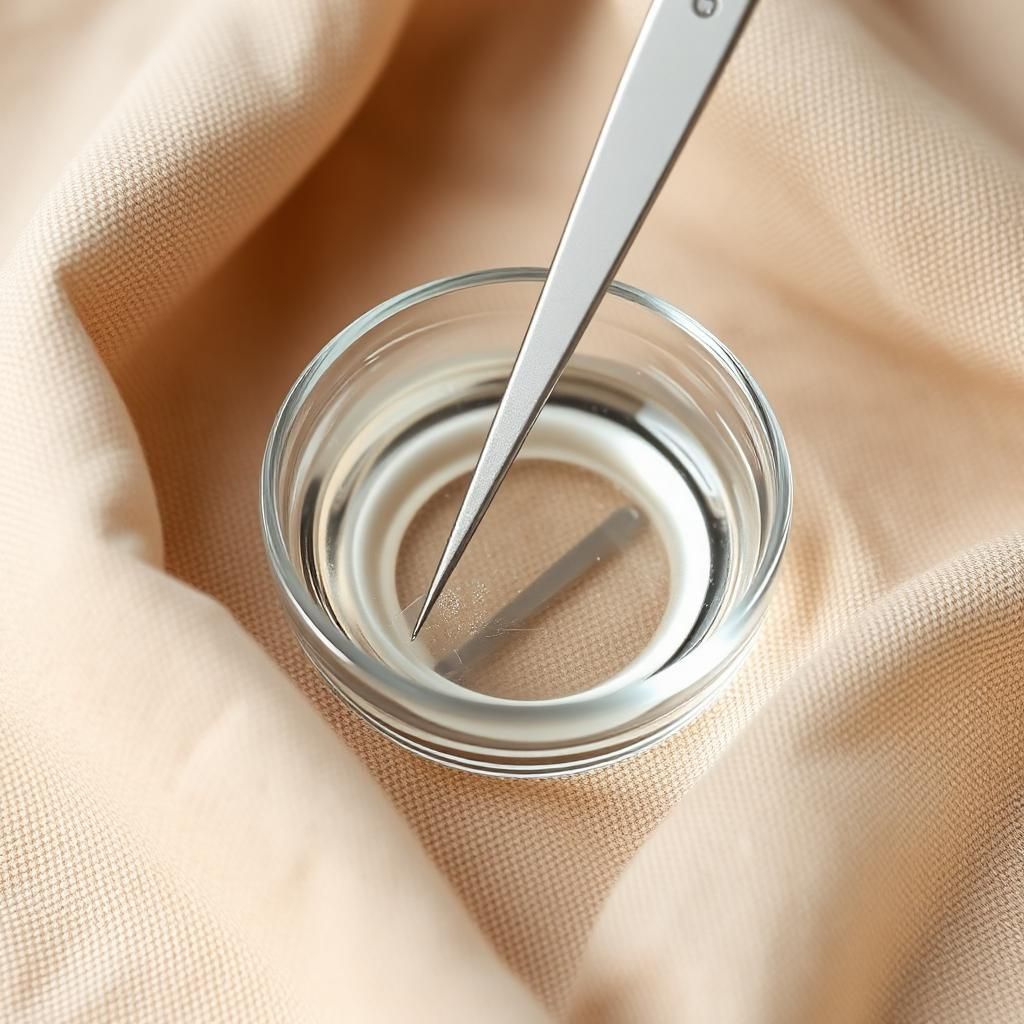
Wipe with 70% isopropyl alcohol, then dry immediately — soaking rusts the joint. Between clients, use a UV steriliser or barbicide bath, following your local infection-control regulations.
Frequently asked
What's the best tweezer shape for volume fans?
A boot or 90° tweezer with reliable closing tension. Beginners often prefer L-shape while learning fan pick-up.
Can I use one tweezer for isolation and placement?
You'll be slower. Two tweezers — one in each hand — is the professional standard.
How often should lash tweezers be replaced?
A high-quality pair with regular disinfection lasts years. Replace when tips misalign or tension weakens.