How to Choose the Best Brow Shaping Tools (Compared)
By TweezerCo · 28 June 2026 · 8 min read
Last updated:
Most people are grooming their brows with glorified pliers. Cheap tweezers don't pull hair — they crush it, snap it at the surface or slip entirely, leaving irritation and half-extracted roots. Choosing the best eyebrow tweezers isn't about handle colour or branding. It's about metallurgy, alignment and tip geometry.
Metallurgy: why steel grade is structural
The primary failure of cheap brow grooming tools is the material. Low-quality steel is soft, loses its bite after a few uses and goes blunt. Surgical-grade stainless is forged to maintain a hardened edge — hand-honed sharpness that lasts years, not weeks.
High-carbon stainless also resists the corrosion and pitting that occurs in humid bathrooms. If your tweezers show any rust or discolouration, the structural integrity is gone. Dispose of them.
Geometry: slant vs point
You can't perform every task with a single tool. Geometry dictates function.
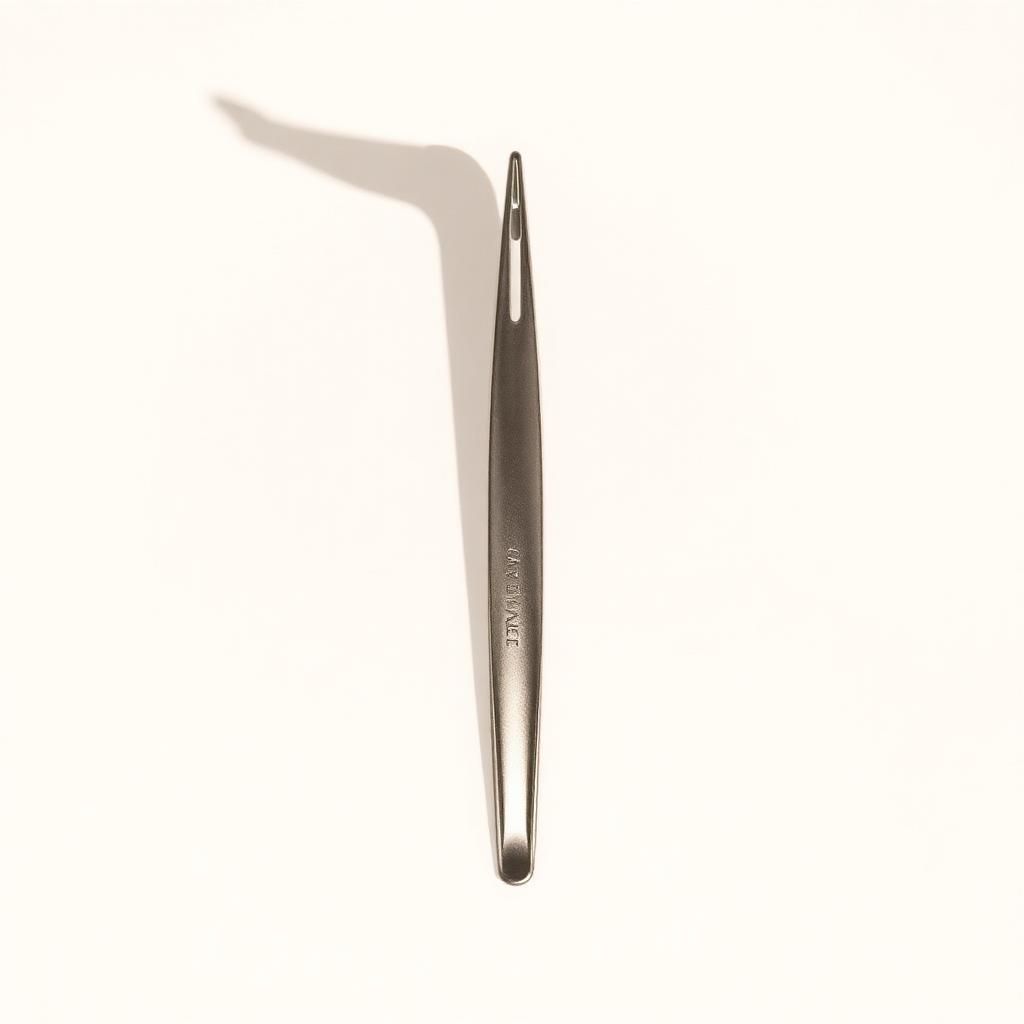
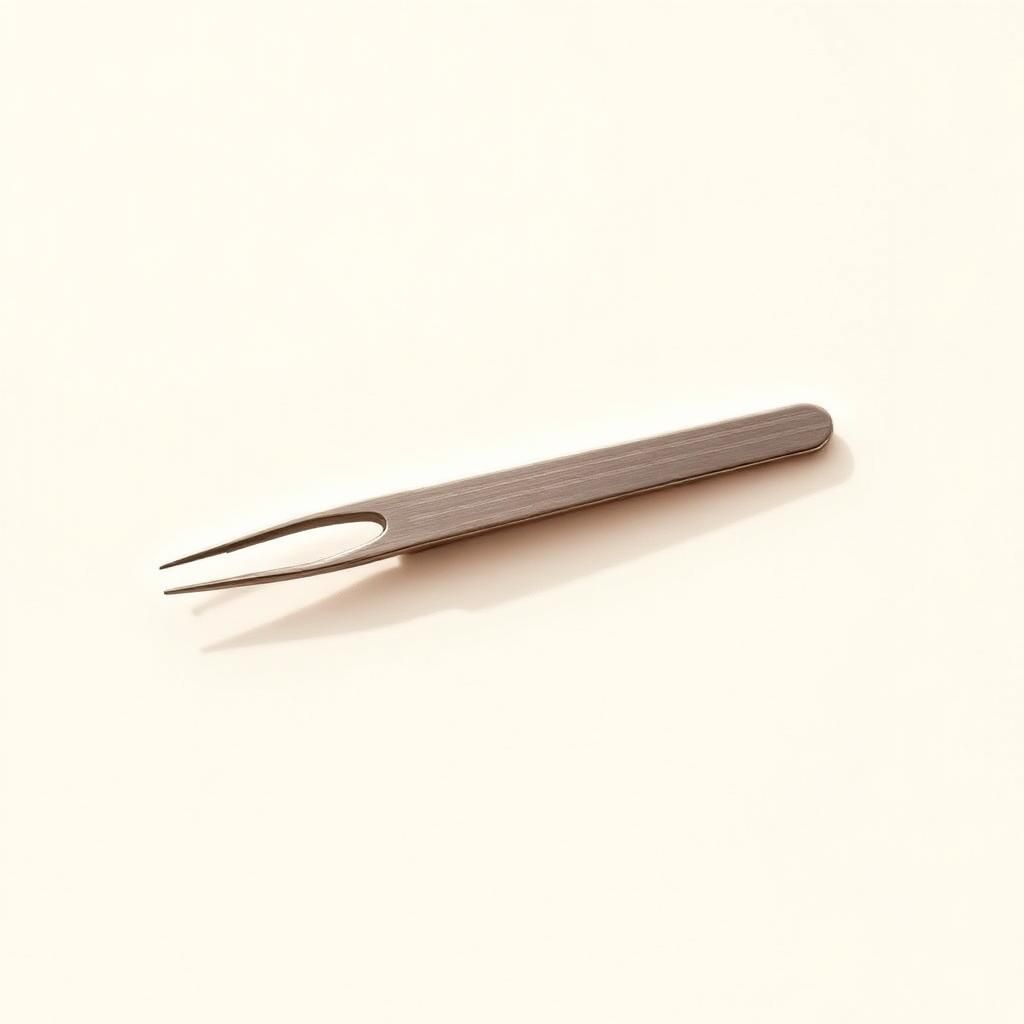
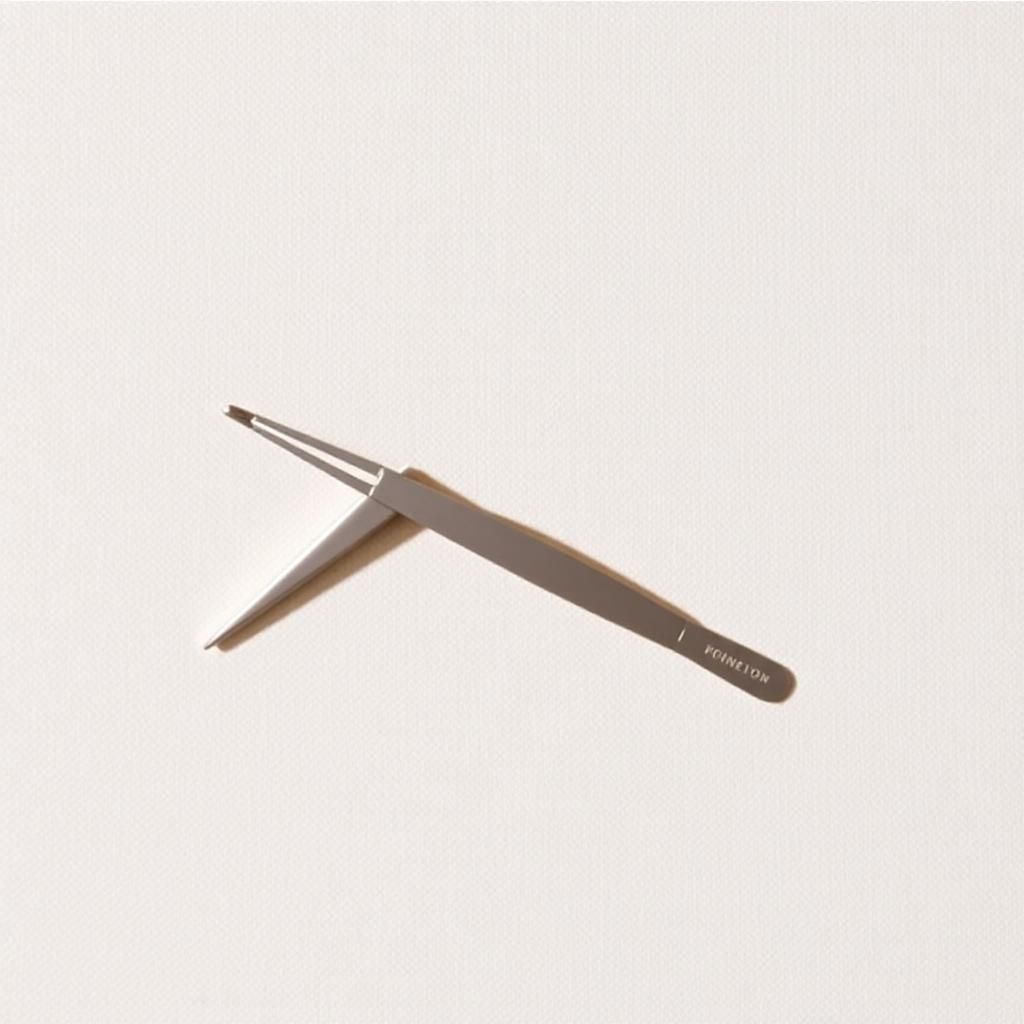
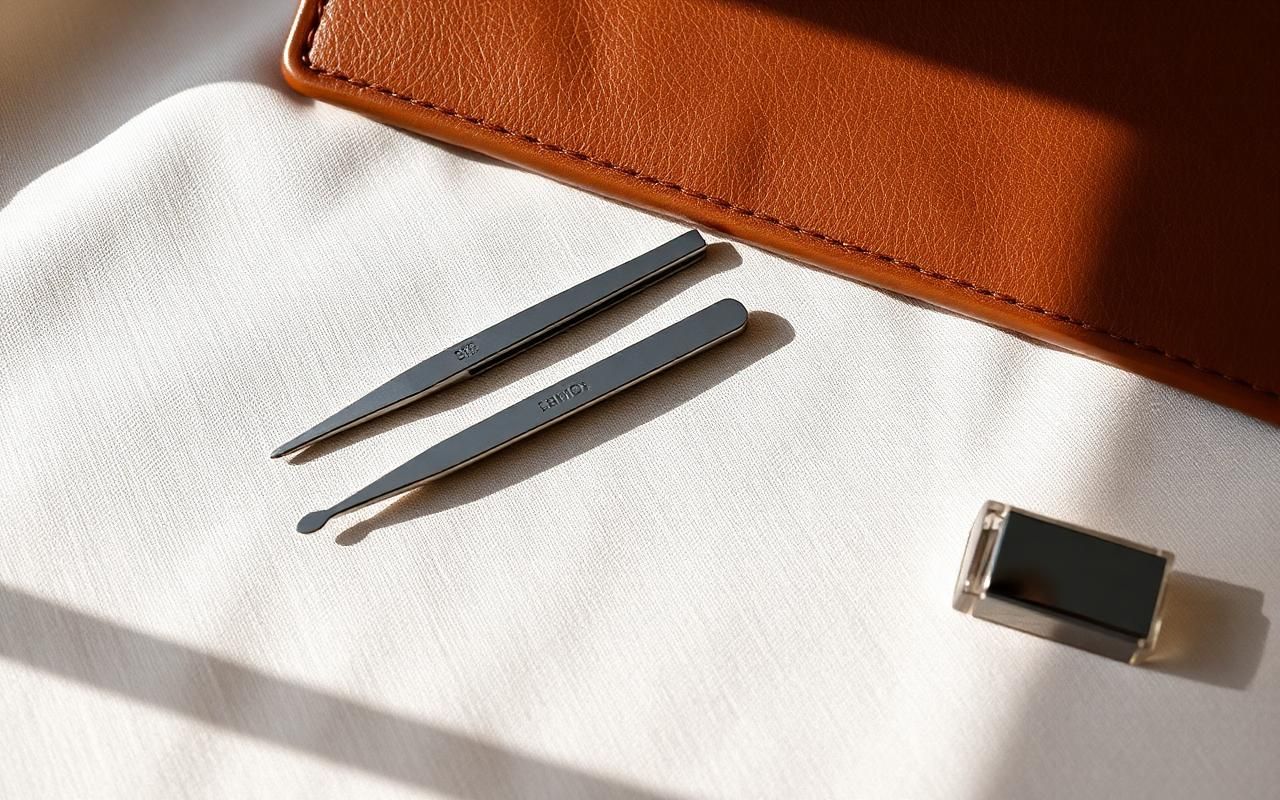
The 25° slant is the workhorse: a flat surface for general hair removal with a pointed corner for control. The needle point is the specialist: hand-aligned tips that meet at a microscopic point to isolate a single vellus hair or stubborn ingrown.
- Slant — brow bone, between the brows, bulk removal
- Point — detailed arch work, tail definition, ingrowns
The mechanical truth: hand-alignment
The bite of a tweezer is determined by tip alignment. Mass production presses thousands of tips per hour, resulting in gapping — tips touch at the top but not the bottom, or vice versa. If there's a gap, the hair slips and you pull harder, which causes skin trauma and broken shafts.
Run the light test: hold the tweezers closed and up to a light. If you see light through the tips, the tool is defective. Every TweezerCo tool is hand-aligned under magnification — that's why we can stand behind a lifetime warranty.
Tension and ergonomics: the squeeze
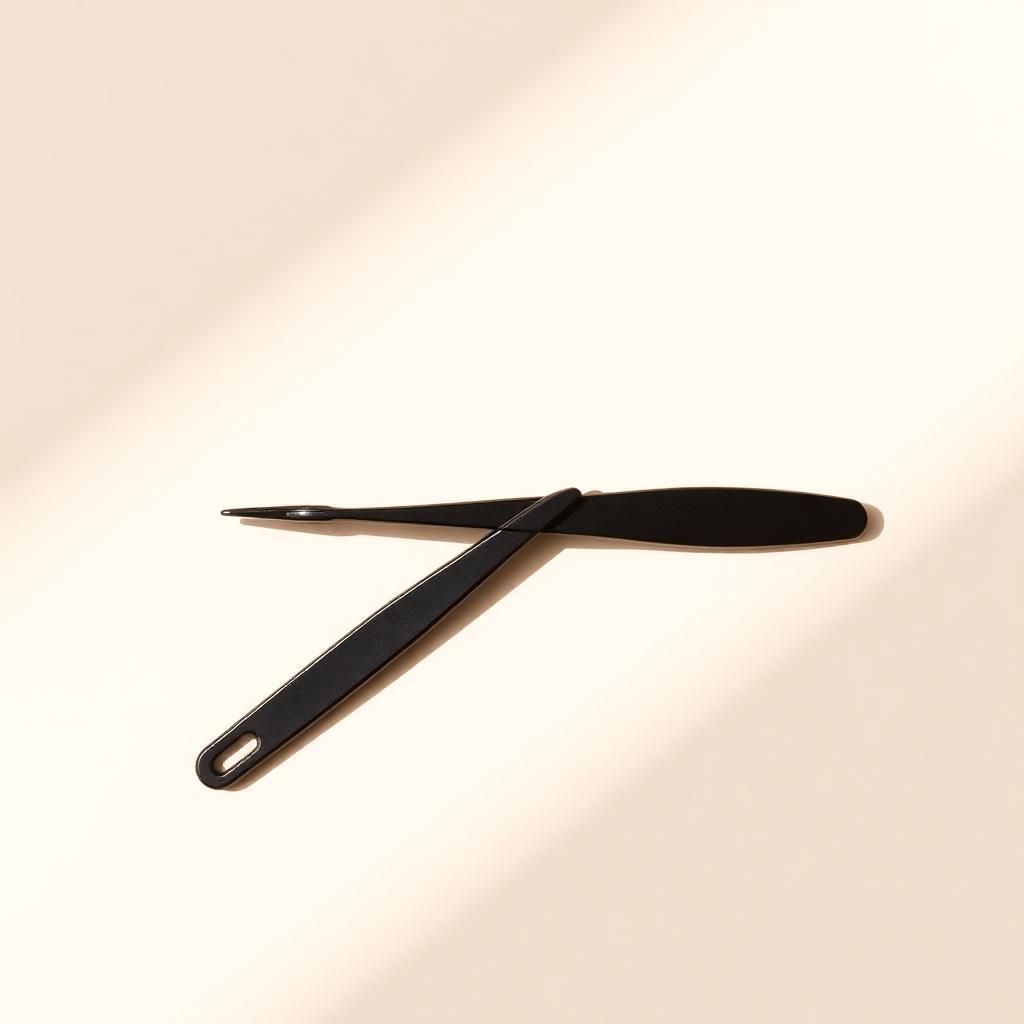
A tweezer is a spring. Too much tension and your hand fatigues. Too little and you lose the feedback to feel the hair release from the follicle. Look for balanced tension, a contoured handle for a pencil grip, and a matte or brushed finish for non-slip control.
Buying checklist
Ignore the packaging. Check the mechanics:
- Surgical-grade stainless steel (if it doesn't say so, it isn't)
- Single-piece construction — no welds, no glue
- Tips meet flush with no light passing through
- Snappy, even tension — not stiff, not mushy
- Lifetime warranty on alignment
Frequently asked
What is the best type of tweezer for beginners?
The slant tweezer — the most forgiving and versatile tool for someone starting their brow journey.
How much should I spend on a good pair of tweezers?
Expect £20–£40 for a single professional-grade tool. Anything less is likely a disposable made from inferior steel.
Can I sharpen my own tweezers?
No. Professional sharpening requires specific jigs to maintain the precise angle of the hand-honed edge. Refer to our warranty page if your tools lose their edge.
How often should I replace my tweezers?
If you buy surgical-grade steel, clean them and don't drop them, a high-quality pair should last decades.