Why Did My Tweezers Rust? (And How to Prevent It)
By TweezerCo · 3 July 2026 · 4 min read

There's a myth that stainless steel can't rust. It can — the technical term is 'stain-less', not 'stain-free'. The rate at which it happens depends on the steel grade (mostly its chromium content) and how much moisture the tool sits in. A lower-grade tweezer left damp in a bathroom will pit within a year; a surgical-grade tool cared for correctly will look mint after a decade.
The steel grade is doing most of the work
Surgical-grade stainless steels (410, 420, 440C) contain 12–17% chromium, which forms a passive oxide layer that resists corrosion. Cheap tweezers often use lower-chromium alloys or plated base metal — once the plating scratches, the exposed base metal rusts fast.
Why even good steel can spot
Chlorides from tap water, salt from skin, and the alkaline residues of some cleansers can locally break down the passive layer. This shows up as tiny brown spots at the joint — the wettest, most acidic part of the tool.
The single most protective habit
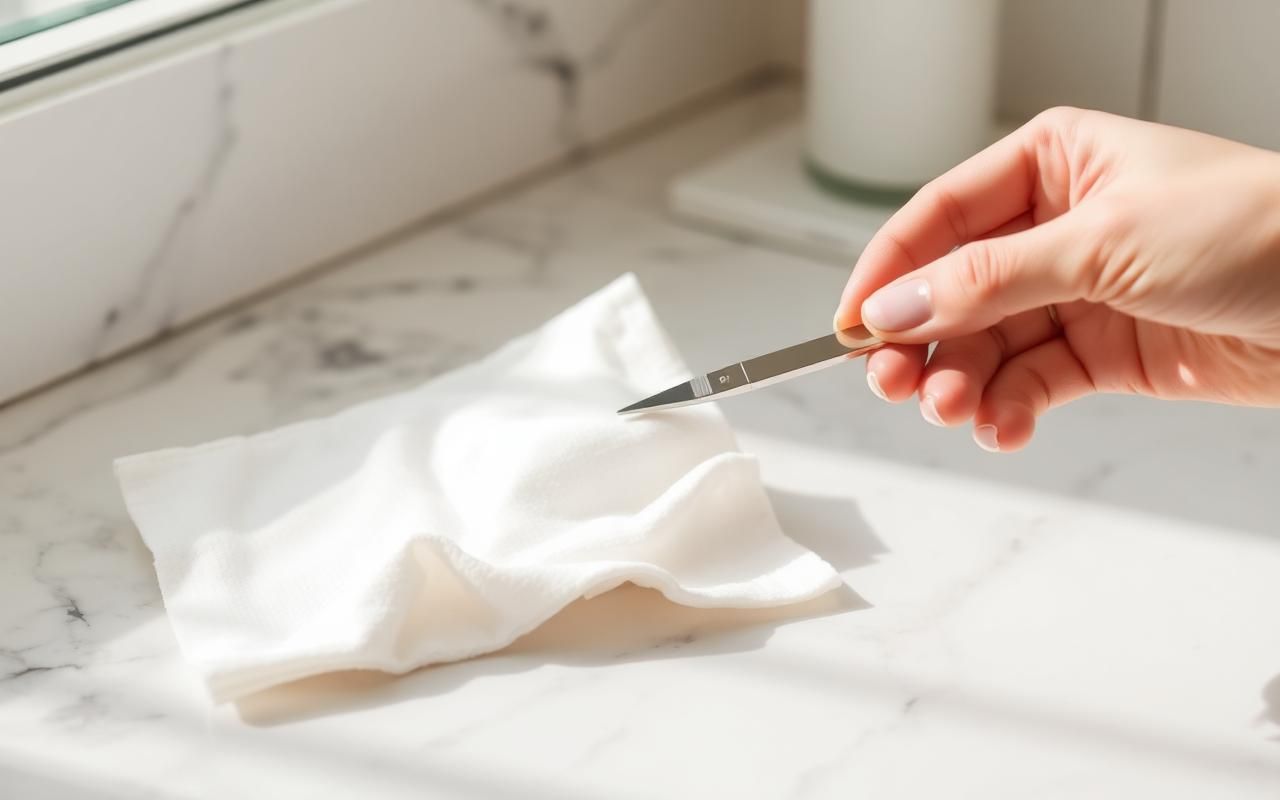
Dry your tweezers after every clean or use. Not shake-dry — actually wipe with a soft cloth, joint included. Ten seconds of care removes the moisture that corrosion needs.
If rust has already started
Small surface spots can be lifted with a paste of baking soda and water and a soft toothbrush. Deep pitting can't be reversed. Anything on a TweezerCo tool: email us — surface corrosion on our steel is a warranty case.
Frequently asked
Can real stainless steel rust?
Yes — the term means stain-resistant, not stain-proof. Even surgical grades can develop surface spots in poor storage conditions.
Does isopropyl alcohol rust tweezers?
No — alcohol evaporates cleanly and doesn't leave corrosive residue. It's the safest everyday disinfectant.
Should I oil the joint?
No. Oil traps skin debris and dust. Keep the joint clean and dry instead.