Why Surgical-Grade Steel Will Change the Way You Groom Your Brows
By TweezerCo · 27 June 2026 · 7 min read
Last updated:
Most people treat tweezers as disposable commodities — buy a pair for five dollars, use them until the tips stop meeting, throw them away. The cycle is a failure of both economy and mechanics. Professional results require professional metallurgy.
The alchemy of 316L: why the alloy matters
Not all 'stainless steel' is equal. The term is a broad category often used to disguise soft alloys prone to pitting and oxidation. True surgical-grade tweezers use high-chromium, low-carbon alloys — typically 302, 304 or 316L.
Standard steel is soft and mushrooms under daily pressure. Surgical-grade is work-hardened: it keeps its structural spring and needle-fine edge for years. It's also non-porous and chemically inert — it won't rust, won't corrode and won't harbour bacteria in microscopic pits.
Beyond the weld: the strength of single-piece forging
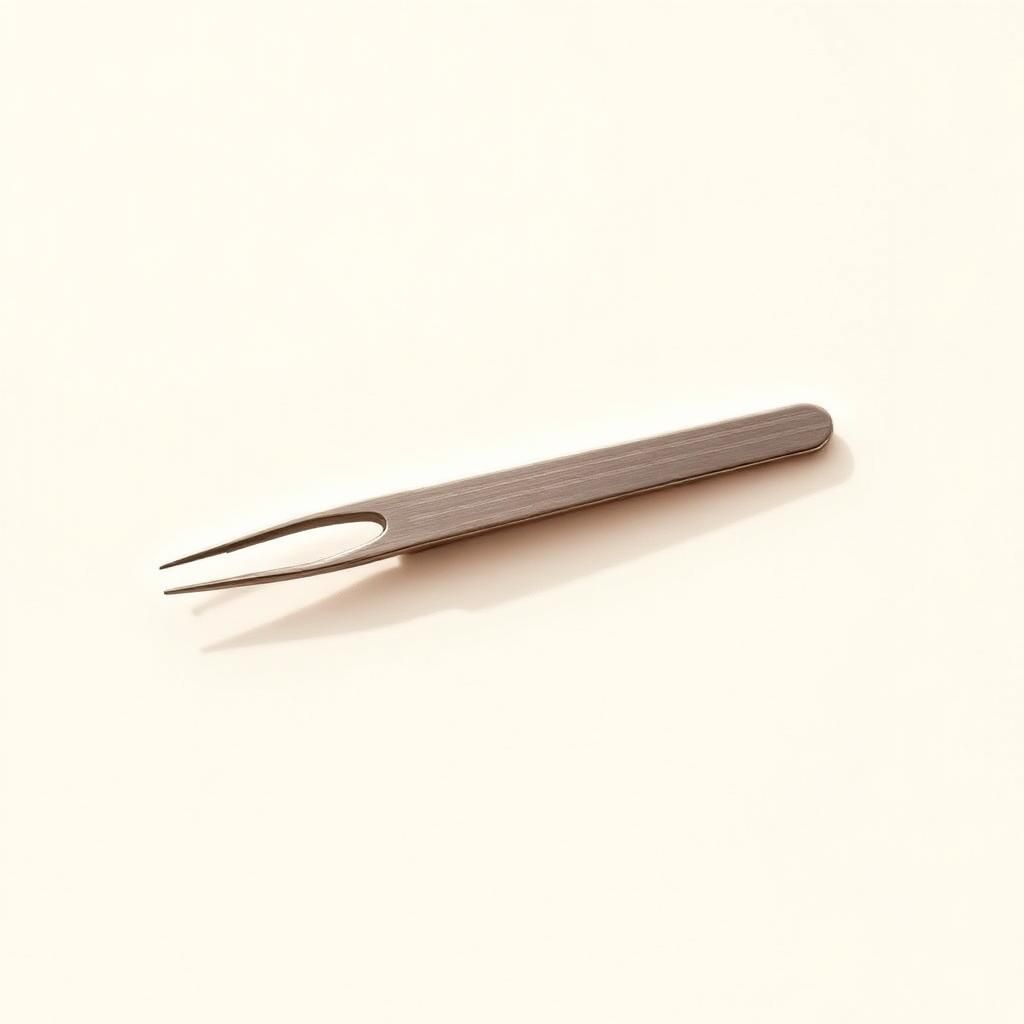
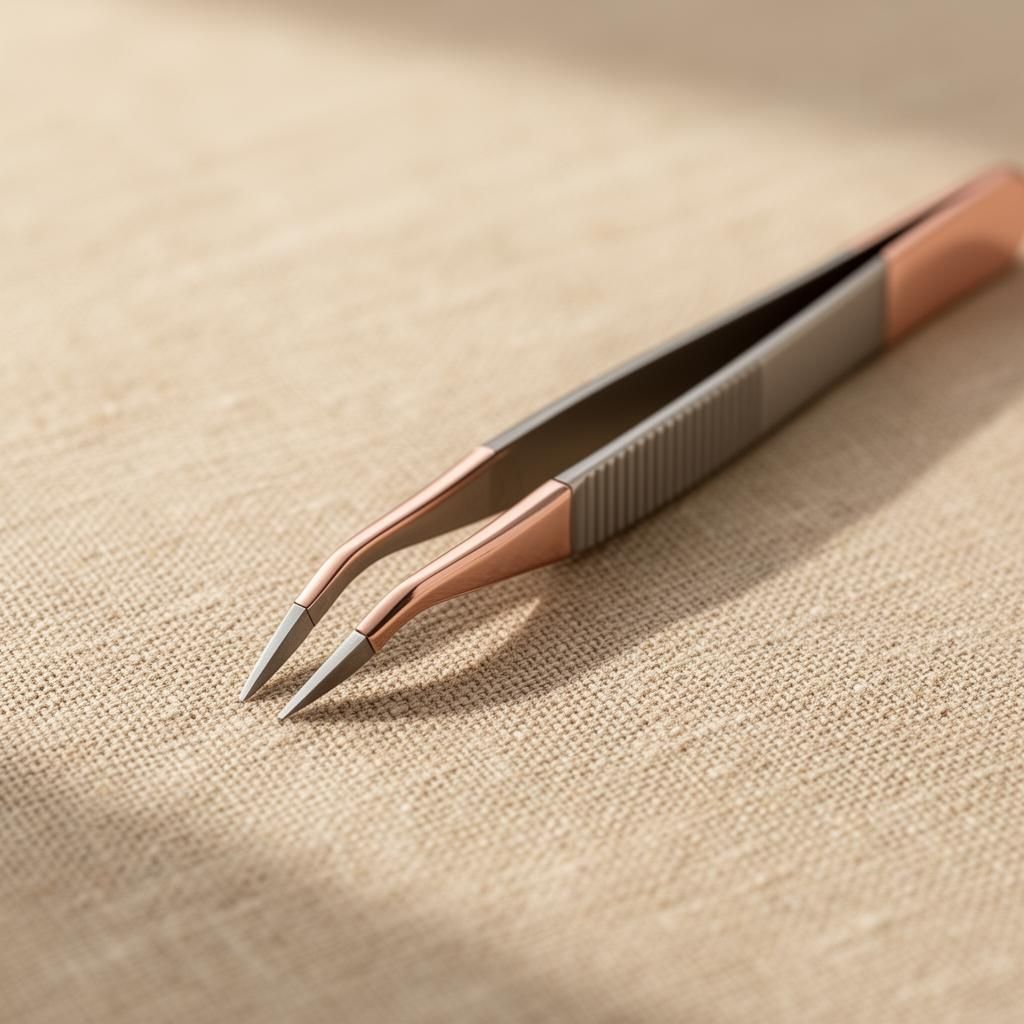
Spot welds are points of failure. Heat from welding alters the molecular structure of steel, making it brittle and prone to losing tension. Every TweezerCo tool is forged from a single piece of surgical-grade stainless — no glue, no welds, no shortcuts.
- Consistent tension — balanced spring, even resistance
- Zero calibration drift — tip geometry stays put for life
- Sanitisable — no joints or gaps for debris to hide in
The hand-alignment imperative
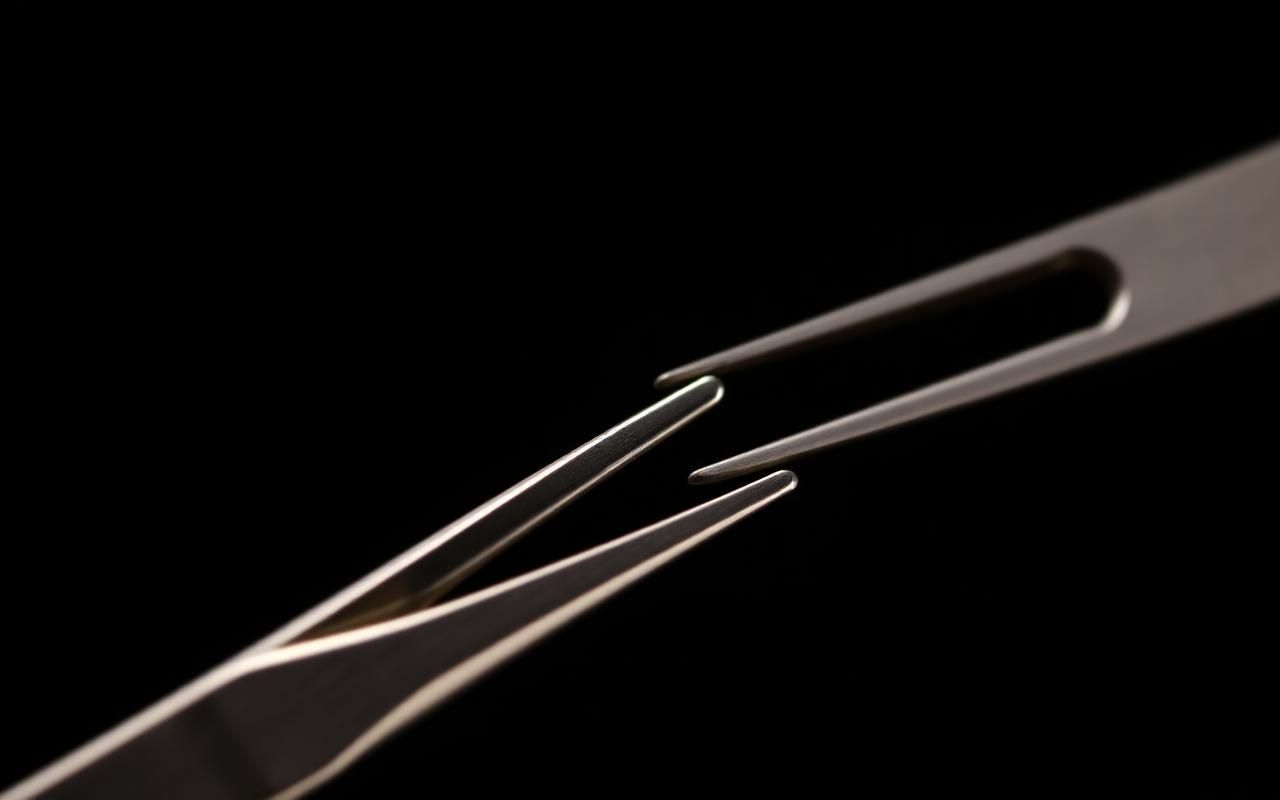
Mass production is the enemy of precision. In a factory producing thousands of units per hour, 'close enough' passes inspection — but that 10% gap at the tips is exactly where you miss fine hairs or break a root instead of pulling it.
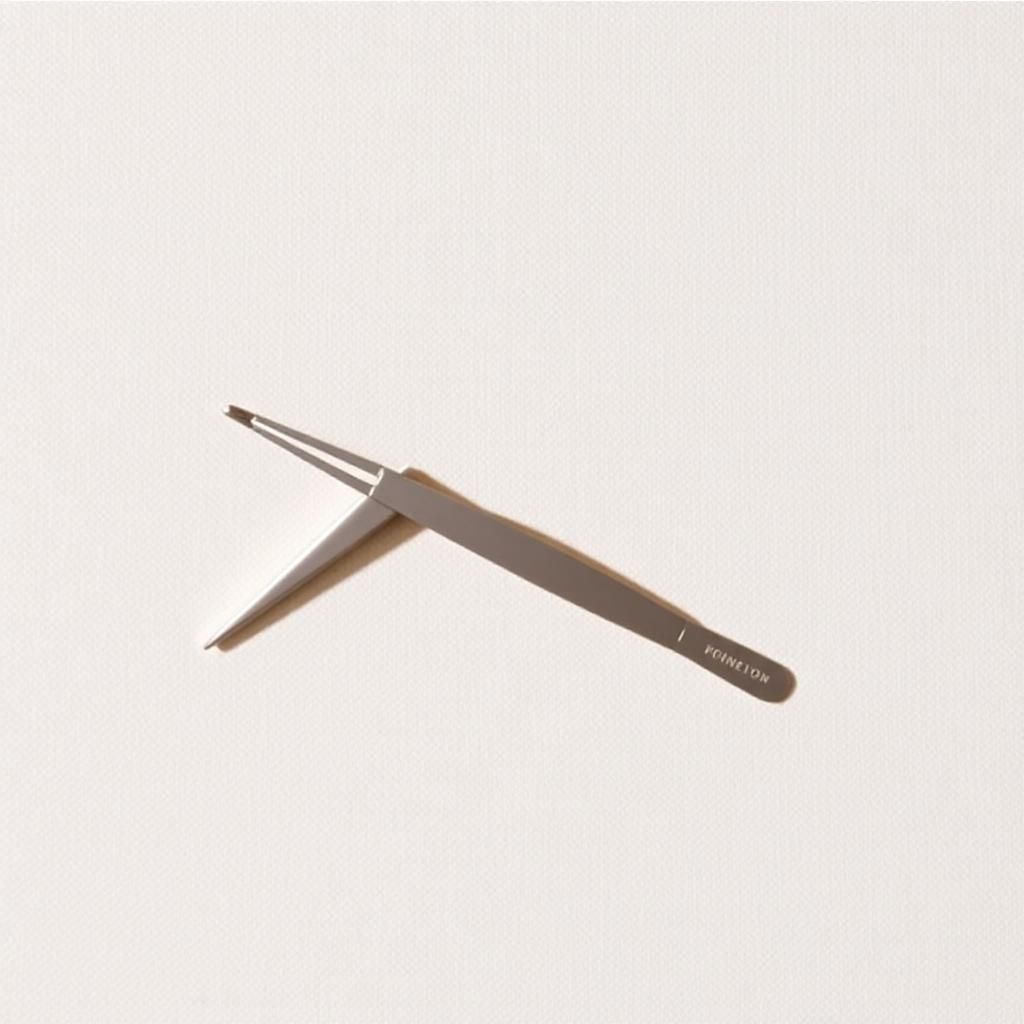
Hold your current tweezers up to a light and squeeze gently. If you see daylight through the tips, the tool is useless for detail work. Surgical-grade steel is hard enough to be hand-honed to a flush closure — and that's the difference between a precision instrument and a piece of stamped metal.
Utilitarian luxury: the feel of precision
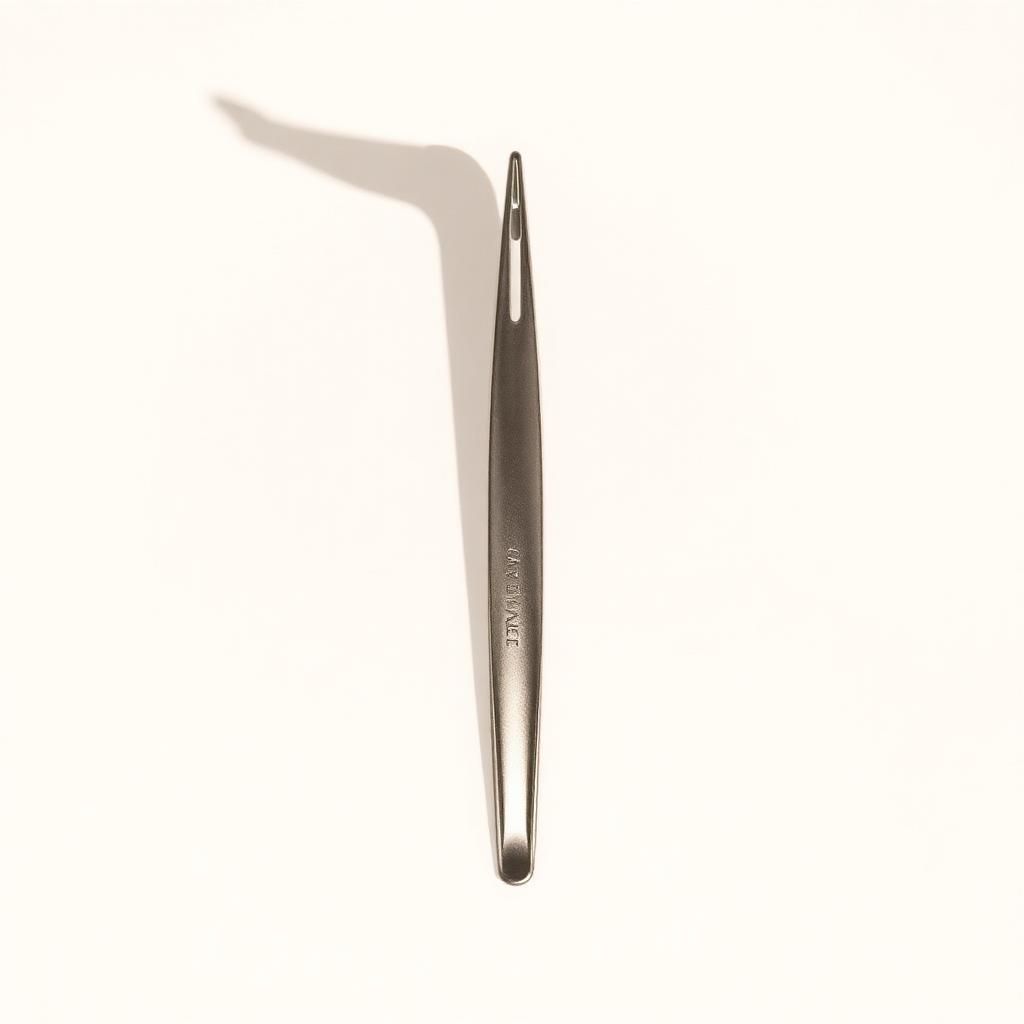
Precision isn't just about the tips — it's about ergonomics. Surgical steel has a specific weight and density that gives tactile feedback. The hair should give way, not the tool. A matte finish provides a non-slip grip even when your hands are slick with skincare.
Troubleshooting: is your current tool failing?
Three diagnostics to run before you tweeze another hair:
- The light test — squeeze the tips and look for daylight
- The skin drag — run the tip across silk; snagging means pitted steel
- The tension test — uneven resistance means the alloy has failed
Frequently asked
Are surgical-grade tweezers worth the higher price?
Yes. A $30 pair of surgical-grade tweezers will last 20 years. A $5 drugstore pair lasts six months before alignment drifts. The higher-grade tool is both mechanically and economically superior.
Can I sharpen my tweezers at home?
No. Hand-honing surgical steel requires specific abrasives and a level of geometric precision that can't be replicated with a nail file or sandpaper. Refer to our warranty page if alignment fails.
What is the best tweezer for ingrown hairs?
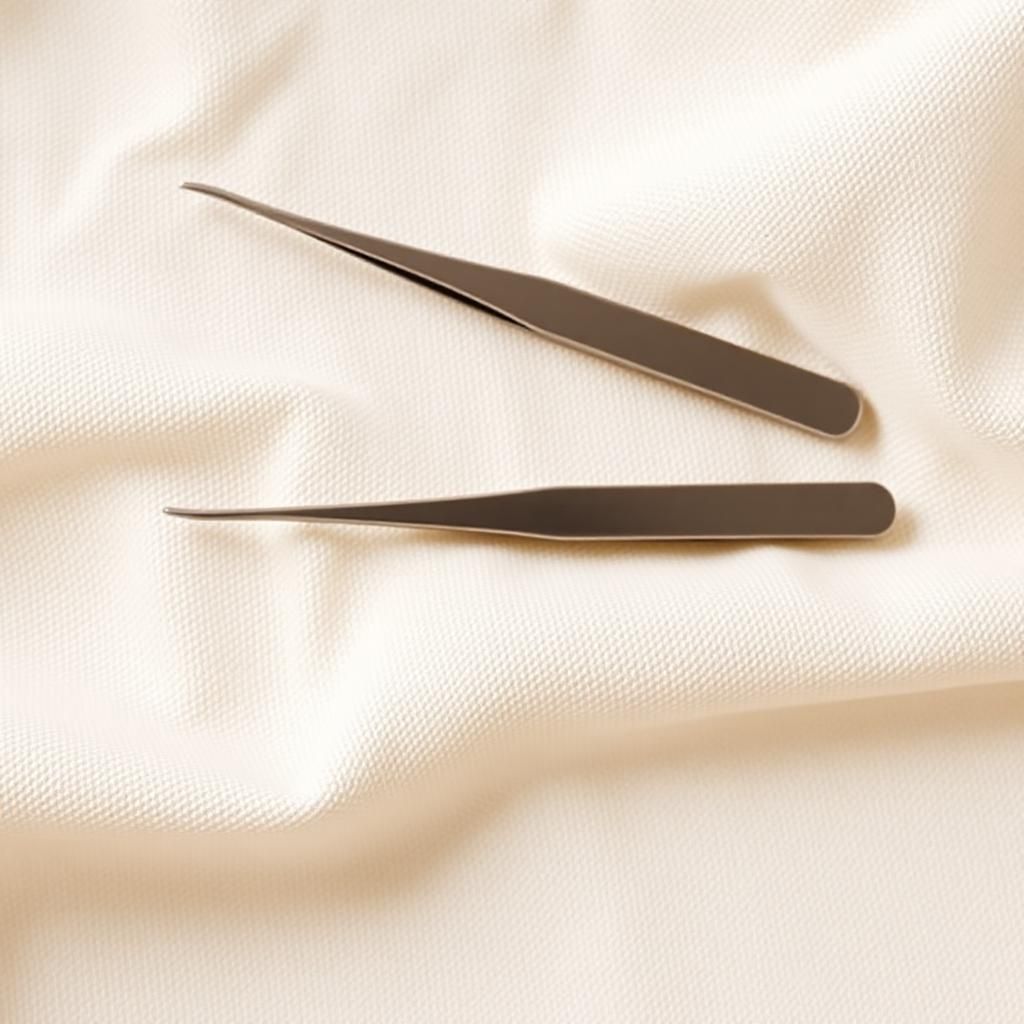
The Ultra Precision Point. The needle-fine tip is designed to navigate the skin surface and extract trapped hairs without damaging surrounding tissue.
Does surgical-grade steel rust?
High-grade 316L stainless is extremely rust-resistant. Dry your tweezers after cleaning to prevent mineral deposits from tap water affecting tip alignment.