How to Sharpen Tweezers at Home (2026) — What Works & What Ruins Them
By TweezerCo · 14 September 2026 · 5 min read
Most 'my tweezers are dull' problems aren't dullness at all — they're tip misalignment. Real sharpening (regrinding the edge) is a workshop job. But there are two safe at-home fixes that restore grip on a tweezer that's stopped working, plus a clear rule for when to stop and send them in.
Short answer
You can't truly sharpen a tweezer at home — the edge geometry is precision-ground and any abrasive will round it off. But you can usually restore grip by realigning the tips (gentle pressure with parallel pliers) or by removing buildup with isopropyl alcohol and an emery board run lightly along the inner edge. If those don't work, the tweezer needs professional re-honing.
Dull vs misaligned — how to tell
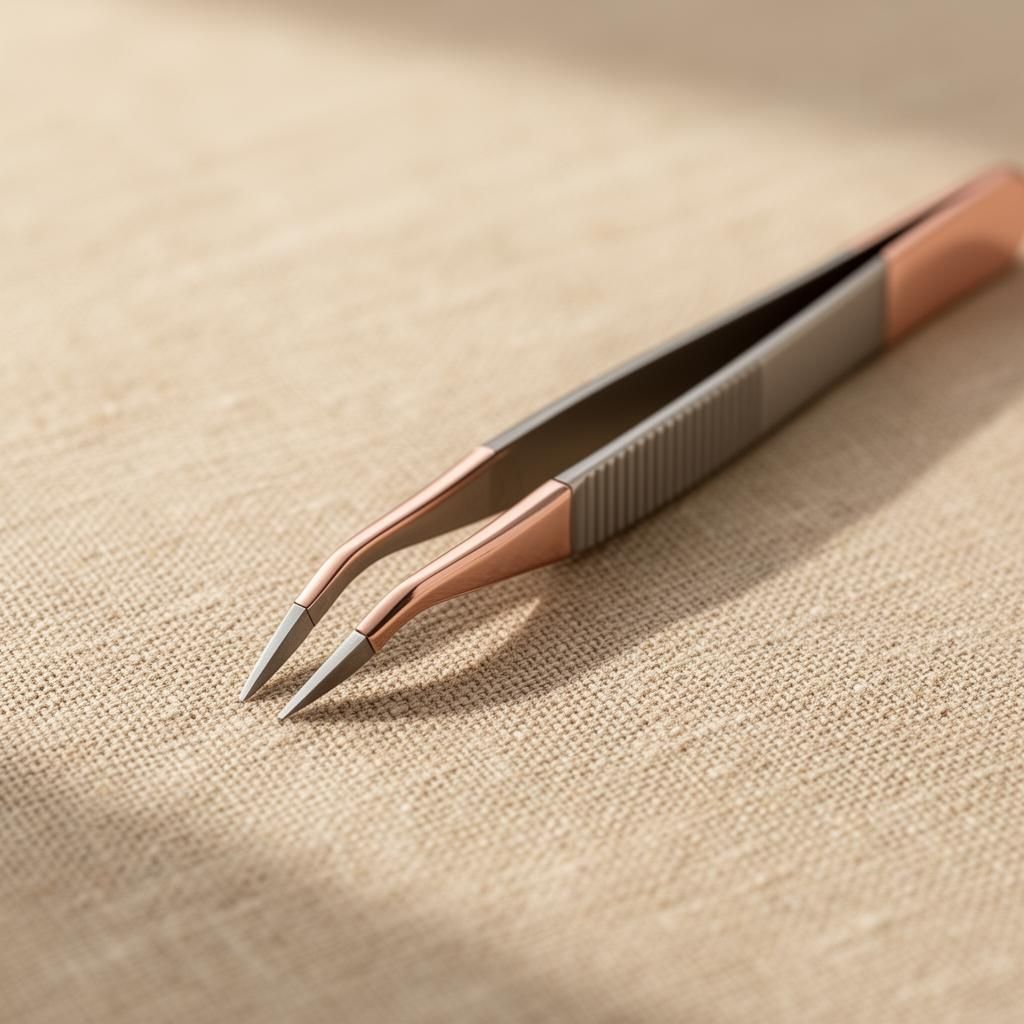
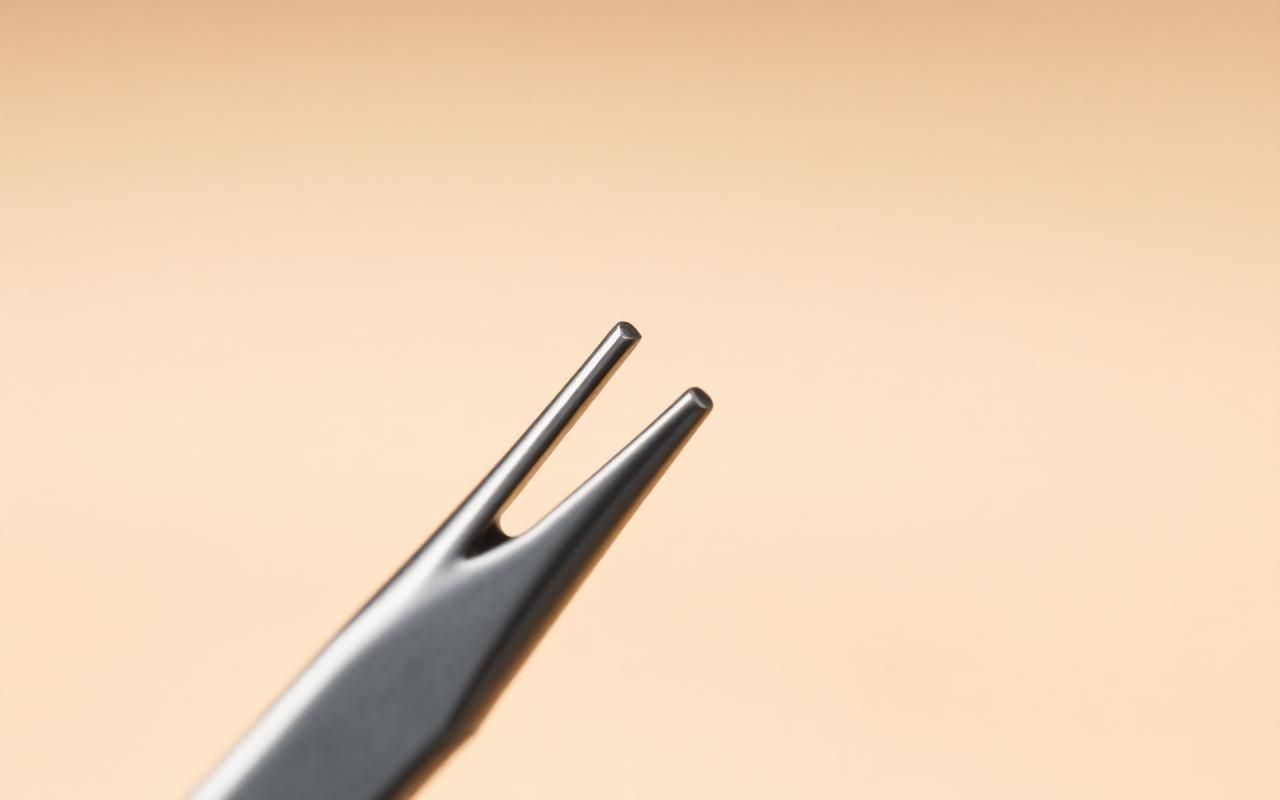
Hold the tweezer up to a bright light with the tips closed. If you see daylight between the jaws, it's misaligned, not dull. Misalignment is the cause of 90% of 'won't grip' complaints. True dullness — a rounded edge — is rare on surgical-grade steel within a normal lifetime.
- Daylight visible between tips = misaligned (realign or send for re-honing)
- Tips meet flush but still slip = buildup (clean with alcohol)
- Tips meet flush, clean, still slip on fine hair = edge geometry lost (re-honing only)
Method 1 — Clean the edge
Skin oil, dead skin and product residue build up on the inner edge and act like a lubricant — the hair slides out instead of being gripped. This is the most common cause of a 'dull' tweezer and the easiest fix.
- Soak the tips for 60 seconds in 70% isopropyl alcohol
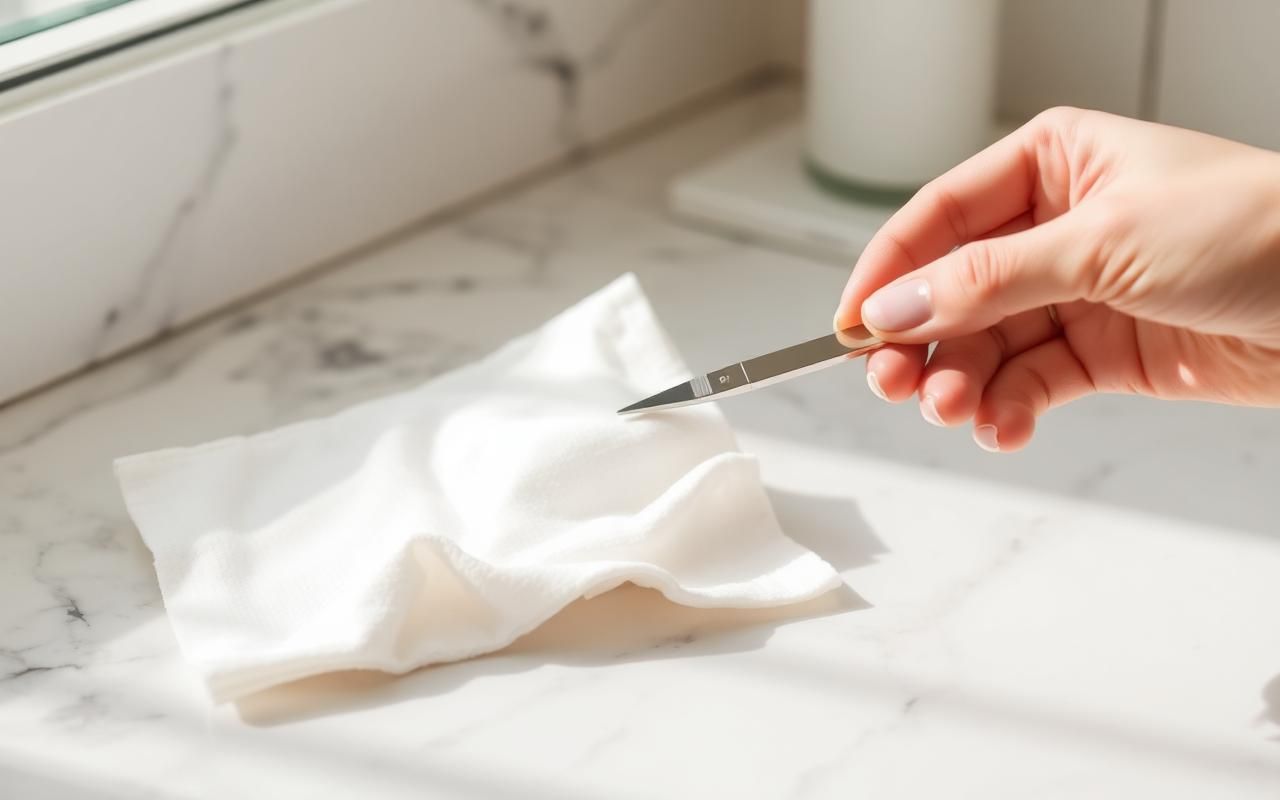
- Wipe both inner faces with a lint-free cloth
- Run a fine emery board (400+ grit) once along the inner face — do not grind
- Wipe again with alcohol, dry, and test on a single hair
Method 2 — Realign the tips (carefully)
If you can see daylight between closed tips, the alignment is off. With surgical-grade steel you can sometimes nudge them back with very gentle pressure from flat-nose parallel pliers. Wrap the tips in a thin cloth first, squeeze gently — never force. If you feel resistance, stop. Forcing alignment can permanently bend the arms.
What not to do
These methods feel intuitive and will permanently damage a precision tweezer:
- Sandpaper or whetstones on the outer edge — rounds the geometry off
- Filing the tips to a new point — destroys the hand-honed angle
- Heating to 're-temper' — surgical steel loses hardness above 200°C
- Squeezing the arms with regular pliers — bends the spring permanently
When to send them in instead
If cleaning and gentle realignment don't restore grip, the tips need professional re-honing under magnification. We do this free for life on every Tweezer Co. tool — post them in and we either re-hone or replace at no cost. Most other surgical-grade brands offer similar service; cheap stamped tweezers are not economical to re-hone.
Getting tweezers sharpened where you live
Professional re-honing is a postal service almost everywhere, not a local one — there are very few workshops that re-grind tweezer tips over the counter, and the ones that exist are jewellery and instrument repairers rather than beauty retailers. In practice you post the tool to the maker and it comes back aligned, which is why a manufacturer warranty matters more than proximity to a shop.
Local conditions do change how often you'll need it. Hard-water areas such as London leave mineral film on the inner edges that reads as bluntness long before the steel is actually worn. Coastal and humid places — Miami, Singapore, Sydney — put salt and moisture on the jaws. In both cases a weekly isopropyl wipe restores more grip than any sharpening attempt.
Where to buy these tweezers in your country or city
TweezerCo ships free and tracked worldwide, so you're not limited to what a local pharmacy happens to stock. Each guide below covers delivery times, duties, currency and the local climate factors — hard water, humidity, air conditioning — that change how your tweezers and your skin behave where you live.
Frequently asked
Where can I get my tweezers sharpened near me?
Almost nowhere over the counter — tweezer re-honing is a postal workshop service, not a high-street one. Send them to the manufacturer under warranty rather than looking for a local sharpener; jewellers and knife sharpeners use abrasives that round the tip geometry off.
Does hard water make tweezers feel blunt?
Yes. In hard-water areas like London and much of southern England, mineral film builds up on the inner edges and stops the jaws meeting flush. It reads exactly like bluntness. Wipe the inner edges with isopropyl alcohol and dry the tips after rinsing.
Can you sharpen tweezers at home?
Not in the true sense — tweezer edges are precision-ground and any abrasive applied at home rounds the geometry off. What you can do at home is clean the inner edges and (carefully) realign misaligned tips. Real sharpening is a workshop job done under magnification.
How do you fix tweezers that won't grip?
First check for daylight between the closed tips under a bright light. If you see a gap, the tips are misaligned — gentle pressure with cloth-wrapped parallel pliers can sometimes restore them. If they meet flush but still slip, soak the tips in isopropyl alcohol to remove skin-oil buildup.
Will sandpaper sharpen tweezers?
No — sandpaper rounds the edge and destroys the hand-honed geometry that makes a tweezer grip. If your tweezer is a quality pair, send it in for professional re-honing instead.
How often should tweezers be sharpened?
A surgical-grade tweezer with hand-honed tips typically needs re-honing every 5–7 years of daily use, or after an accidental drop. Cleaning the edges with alcohol every few months is a much more important maintenance step.