How to Remove a Tick Without Tweezers (Safely)
By TweezerCo · 14 September 2026 · 5 min read

Public health guidance from the NHS and the CDC is consistent: the safest way to remove a tick is with fine-tipped tweezers or a purpose-made tick tool, gripping as close to the skin as possible and pulling steadily upward. If neither is within reach, you still have options — but it matters enormously which alternative you pick, because the wrong method makes the tick regurgitate into the bite and raises infection risk. This guide is general information, not medical advice; if you're unsure, contact a healthcare professional.
Why fine-tipped tweezers are the standard
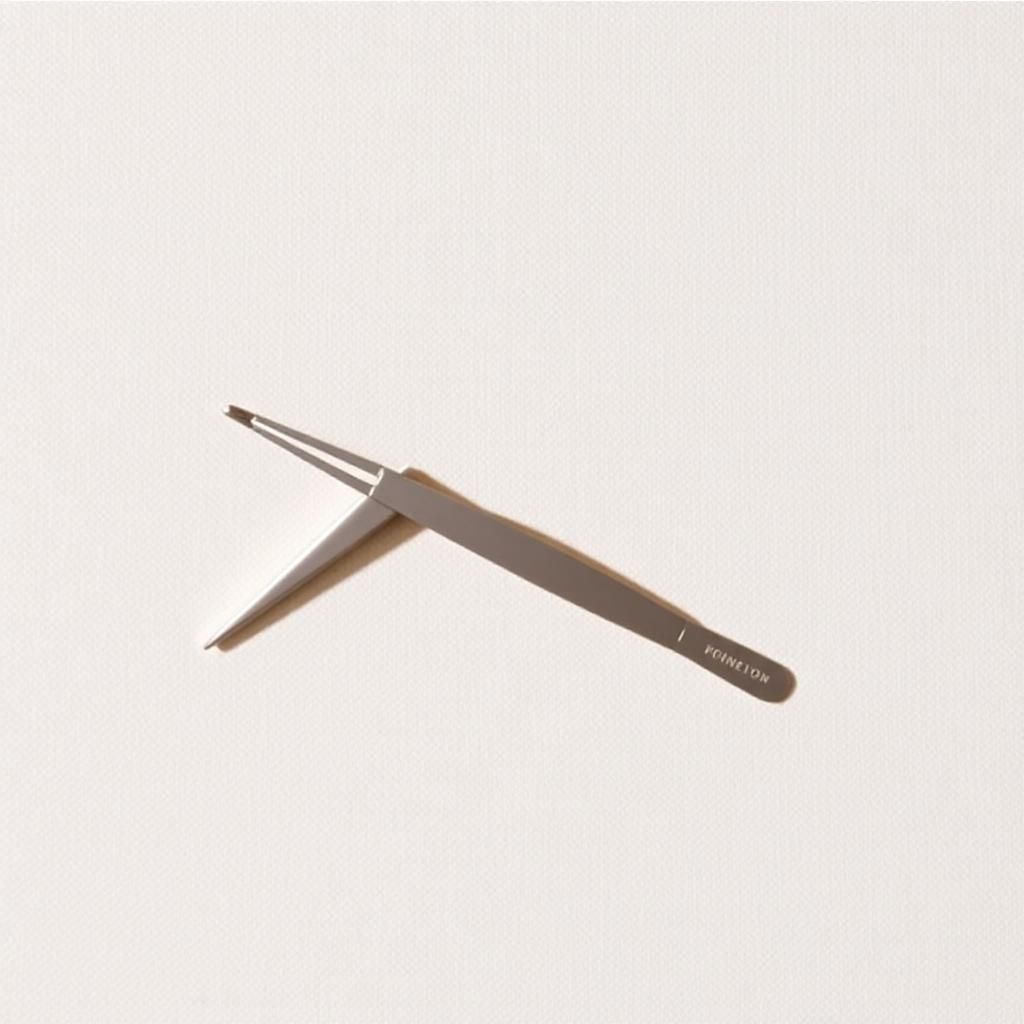
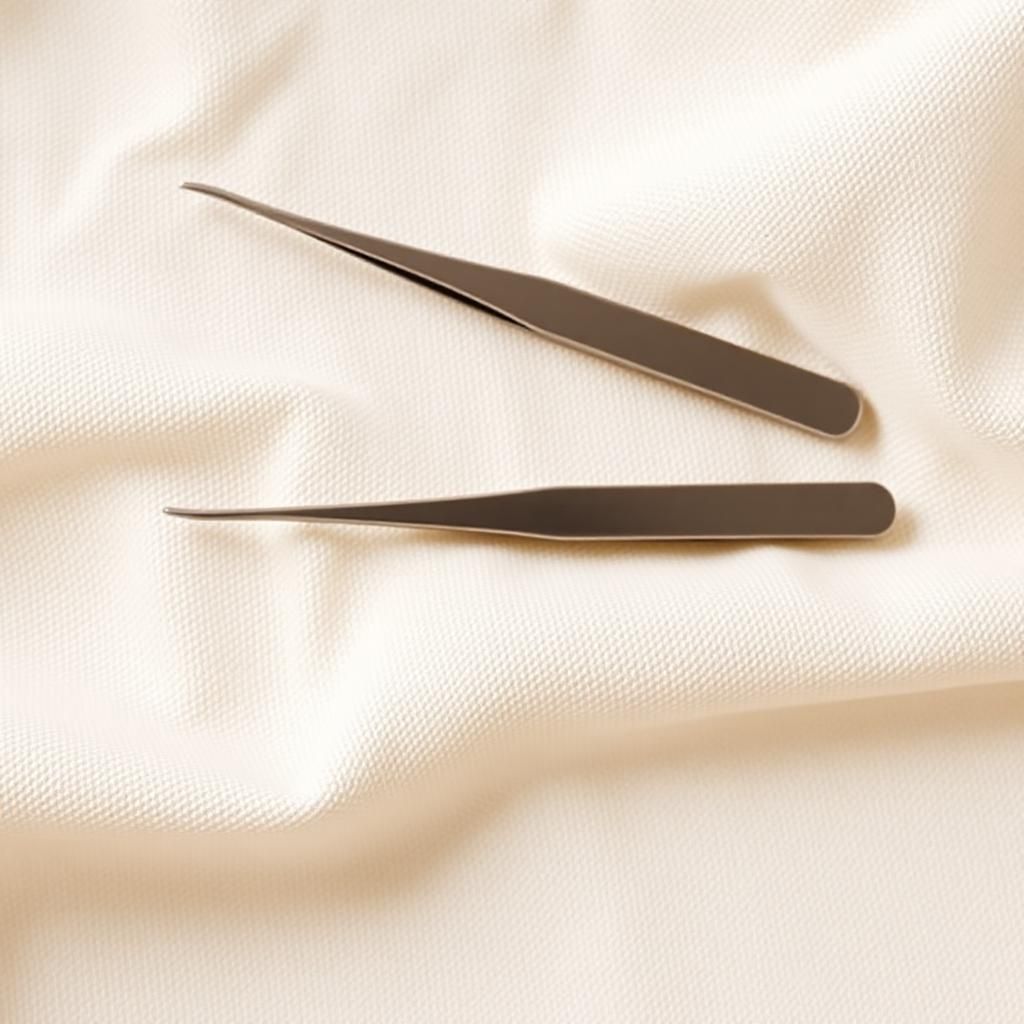
A tick's mouthparts are barbed and anchored in the skin. You need to grip the head — not the swollen body — and apply slow, even upward traction. Needle-point tweezers with flush tips can close on something under a millimetre across without crushing it. That's exactly why they're the recommended tool.
Squeezing the body is the failure mode to avoid: it pushes the tick's gut contents back into the bite.
Option 1: a thread loop (the safest no-tweezer method)
Take a length of fine, strong thread — dental floss or sewing cotton works. Make a loose loop, slide it down over the tick so it sits flat against the skin around the mouthparts, then draw it tight. Pull slowly and steadily straight upward, keeping the thread as close to the skin as you can.
This works because the loop tightens at the narrowest point — the head — rather than the body.
Option 2: clean fingers and a gloved pinch
If the tick is large enough to grip at the head, wash your hands, wear gloves if available, and pinch as close to the skin as possible using your fingernails rather than your fingertips. Pull straight up with steady pressure — never twist or jerk.
This is a last resort. Fingernails are blunt and it's easy to compress the body by accident.
Methods to avoid entirely
Every one of these is discredited and each increases the chance of the tick releasing infected fluid into the bite:
- Burning the tick with a match or cigarette.
- Smothering it with petroleum jelly, nail polish or oil to 'make it back out'.
- Applying alcohol, soap or essential oils to the attached tick.
- Twisting or yanking the body — it snaps the mouthparts off in the skin.
After removal
Clean the bite and your hands with soap and water or an antiseptic. If mouthparts are left behind, leave them — the skin will expel them, and digging causes more trauma than the fragment does.
Note the date. See a doctor if you develop a spreading circular rash, a fever, aching joints or flu-like symptoms in the following weeks, or if you're unsure whether the tick was fully removed.
Keep the right tool where you need it
The realistic fix is to stop being without tweezers. A needle-point tweezer costs little, lives permanently in a first-aid kit or rucksack, and is also the tool you'd want for a splinter or an ingrown hair. If you walk, camp or have pets, one belongs in your kit.
Frequently asked
Can you remove a tick without tweezers?
Yes — a fine thread loop drawn tight around the mouthparts and pulled steadily upward is the safest alternative. Fingernails are a last resort.
Does Vaseline make a tick come out?
No. Smothering methods are discredited and can make the tick regurgitate into the bite, increasing infection risk.
What if the tick's head stays in the skin?
Leave it. The skin expels the fragment naturally, and digging to remove it causes more irritation than the fragment itself.
What kind of tweezers are best for ticks?
Fine-tipped needle-point tweezers with flush, hand-aligned tips — they grip the head without crushing the body.