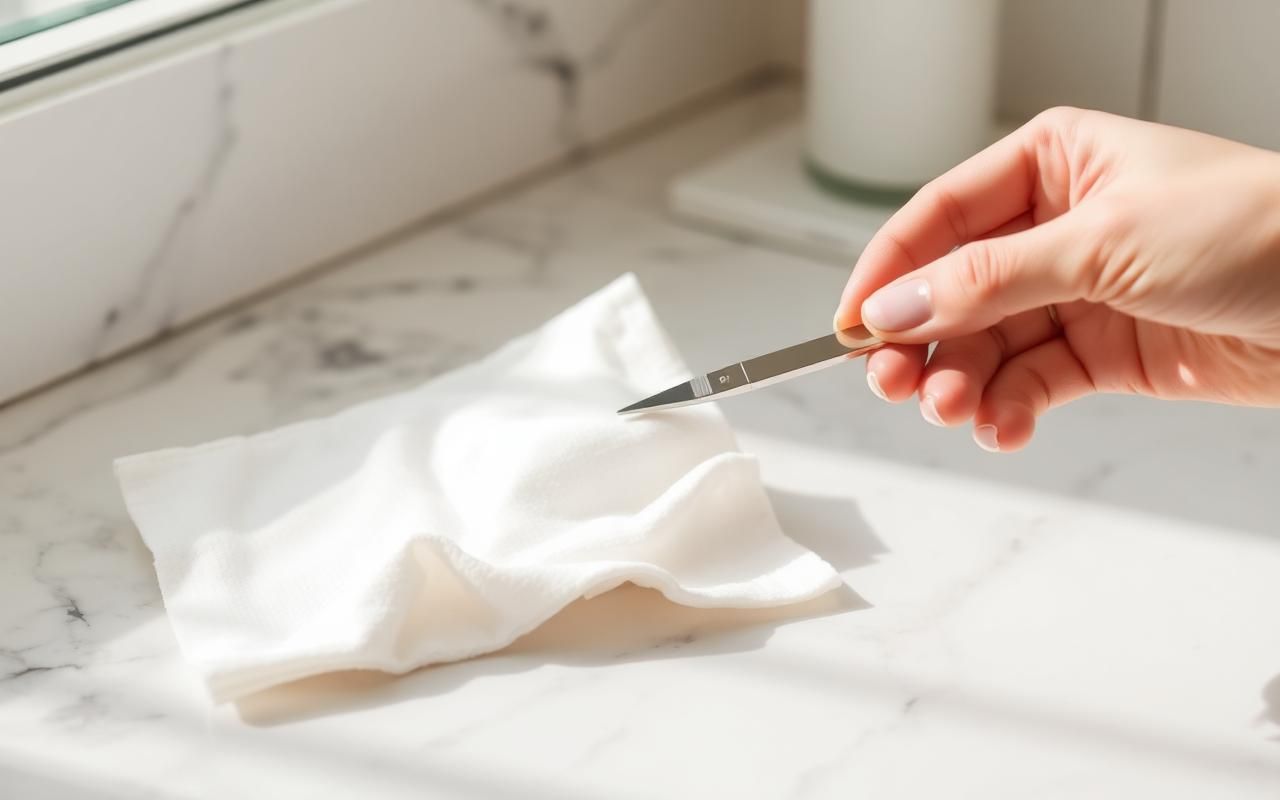
Can You Take Tweezers on a Plane? TSA and UK Rules Explained
By TweezerCo · 14 September 2026 · 5 min read

Tweezers are one of the most-searched items in airport security guidance, and the answer is reassuringly simple: both the US Transportation Security Administration and UK aviation security allow tweezers in hand luggage and in checked bags. There is no length limit specific to tweezers, and pointed tips do not change that. What does trip people up is the adjacent kit — brow scissors, razors, cuticle nippers — and arriving at your destination with a bent, useless pair because they travelled loose in a wash bag.
The rule, in one line
The TSA lists tweezers as permitted in both carry-on and checked baggage, with no size restriction. UK Department for Transport guidance treats them the same way: tweezers are not classed as a prohibited sharp article.
As always, the officer at the checkpoint has final discretion on any individual item. In practice, tweezers are waved through routinely — they are not a category screeners flag.
What about pointed or needle-nose tweezers?
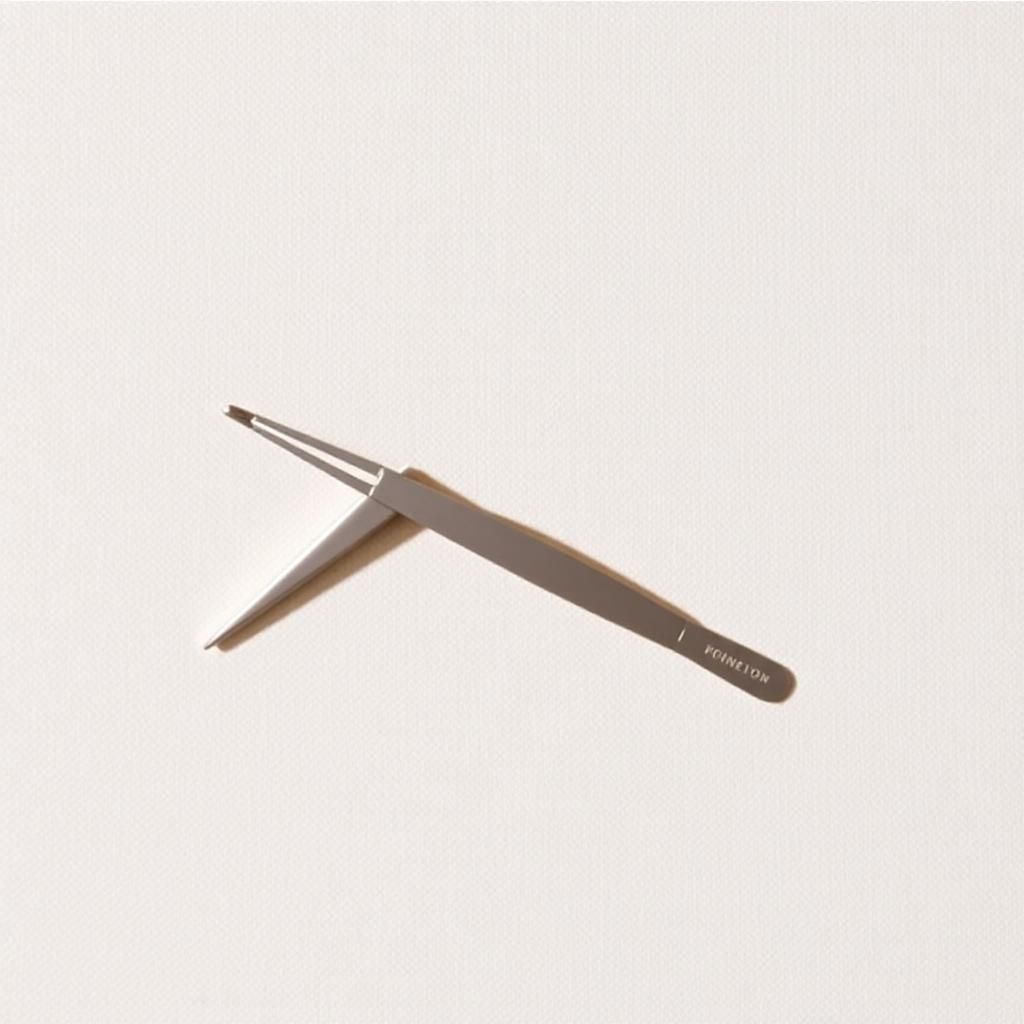
Needle-point tweezers are still tweezers. The fine tip is not a blade and does not reclassify the tool. If you use point tweezers for ingrowns or splinters, they travel in hand luggage exactly like a slant pair.
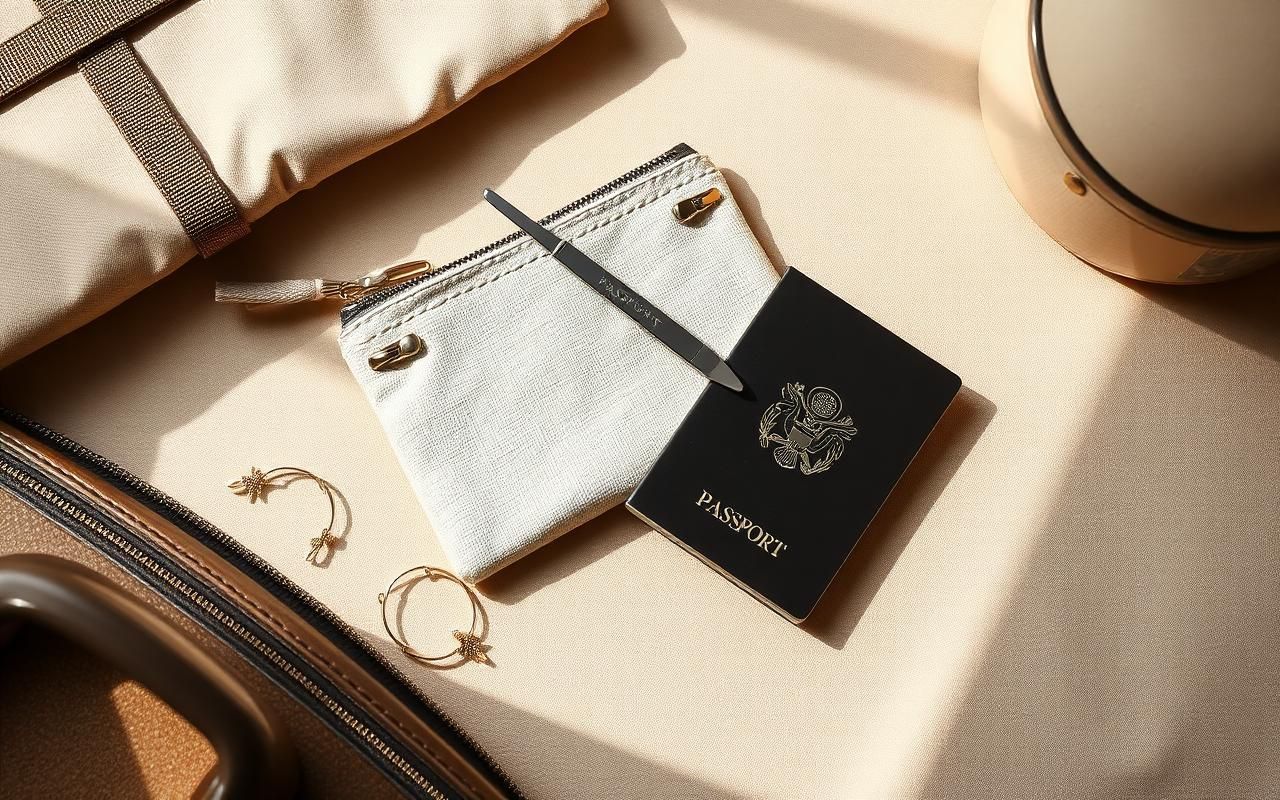
If you want to avoid any conversation at all, pack them in your toiletries bag rather than loose in a pocket, where they read as an unidentified metal object on the scanner.
The items that actually get confiscated
Confusion usually comes from what's sitting next to the tweezers in the same pouch:
- Brow scissors — allowed in carry-on in the US if blades are under 4 inches from the pivot; UK rules allow blades under 6cm. Longer ones go in the hold.
- Razor blades — loose double-edge blades are prohibited in carry-on. Cartridge and disposable razors are fine.
- Cuticle nippers and nail clippers — permitted, though oversized nippers occasionally get questioned.
- Aerosol brow sprays — subject to the 100ml liquids rule.
How to pack tweezers so they survive the trip
The real risk to a precision tweezer isn't security, it's the crush of a packed case. Tip alignment is measured in fractions of a millimetre; one hard knock against a hard object and the tips no longer meet, which is the single most common cause of a tweezer that stops gripping.
Cap the tips, keep them in a hard sleeve or the original tube, and pack them in the padded centre of your bag rather than a side pocket.
International travel: any exceptions?
Most aviation authorities — EU, Canada, Australia, most of Asia — follow the same approach as the TSA and UK on tweezers. A small number of airports apply stricter local screening to any pointed metal object, so if you are travelling somewhere with unusually tight rules and the tweezers matter to you, put them in checked baggage to be certain.
Frequently asked
Can you take tweezers in hand luggage?
Yes. Both TSA and UK aviation security permit tweezers in carry-on and checked baggage, with no length restriction.
Are pointed tweezers allowed on planes?
Yes. Needle-point and pointed-tip tweezers are treated the same as slant tweezers and are permitted in hand luggage.
Can I take eyebrow scissors on a plane?
Usually yes — US rules allow blades under 4 inches from the pivot and UK rules allow under 6cm. Longer scissors must go in checked baggage.
Will tweezers set off the metal detector?
No. They're too small to trigger a walk-through detector and are clearly identifiable on the bag scanner.